
Ultimate Guide to Nkasa Rupara Safari
Find Nkasa Rupara Safari Tours from Verified Namibia Operators
The Ultimate Guide to Nkasa Rupara Safari
Magnificent Namibia National Parks
Nkasa Rupara National Park, formerly Mamili, is Namibia’s largest formally protected wetland. Established in 1990 and renamed in 2012, it lies in the southwestern corner of the Zambezi Region, centred on the Nkasa and Rupara islands along the Kwando/Linyanti River. Its unfenced boundaries make it a vital transboundary corridor for elephants, buffalo, and other migratory species moving between Namibia, Botswana, Angola, and Zambia. The park is part of the Kavango–Zambezi Transfrontier Conservation Area (KaZa TFCA), one of Africa’s most ambitious conservation networks.
History
Mamili National Park was proclaimed on 1 March 1990, alongside Mudumu National Park, just before Namibia’s independence. The name “Mamili” honoured the Mafwe tribe’s traditional leaders. In 2012, the park was renamed Nkasa Rupara to reflect the Kwando River islands within its territory. Since its proclamation, Nkasa Rupara has been managed as part of Namibia’s northeastern park system, benefiting from the NamParks Project, which has strengthened infrastructure, conservation, and community partnerships.
Ecology
Nkasa Rupara is dominated by wetlands, marshes, reed beds, lagoons, and seasonally inundated floodplains. Its ecosystem resembles the Okavango Delta, with periodic flooding shaping vegetation and wildlife distribution. Termitaria (old termite mounds) form small islands where woody vegetation thrives, including knob thorn, paper-bark acacia, albizia, monkey bread, leadwood, sausage trees, and silver cluster-leaf. Seasonal fires, both natural and human-caused, regulate tall grasses and maintain ecological balance.
Wildlife
The park is a sanctuary for diverse species:
Large Mammals: Elephants, ~1,000 buffalo (Namibia’s largest concentration), hippos (~560), and crocodiles (~500).
Rare Antelopes: Sitatunga, puku, red lechwe, reedbuck, and oribi.
Predators: Lions, leopards, cheetahs, spotted hyenas, and African wild dogs.
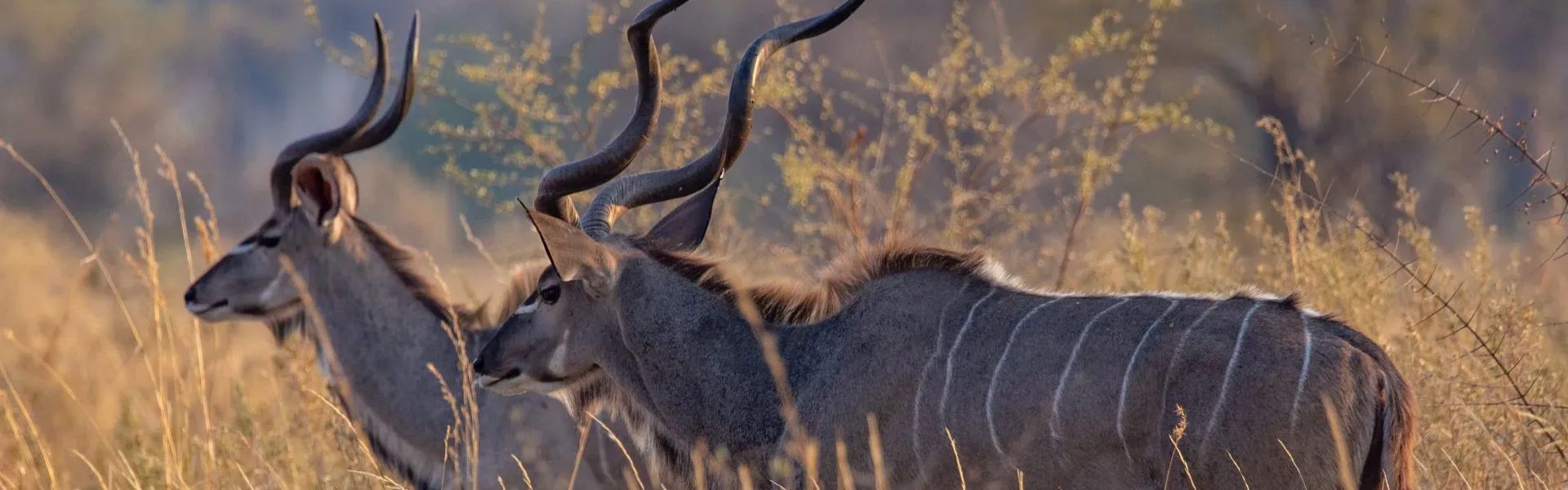
Other Species: Impala, kudu, warthogs, baboons, spotted-necked otters, and monitor lizards.
Birdlife: Over 450 species, including wattled cranes, Pel’s fishing-owl, black-cheeked lovebirds, and yellow-billed oxpeckers.
Surrounding Areas
Nkasa Rupara borders Botswana on three sides and is linked to communal conservancies such as Wuparo and Dzoti to the north. Sangwali village serves as the main gateway, while the Kwando/Linyanti River connects the park to broader ecosystems across southern Africa. Its location within KaZa TFCA ties it to iconic destinations like Victoria Falls and the Okavango Delta.
Activities
Game Drives: Explore reed beds, lagoons, and floodplains to spot elephants, buffalo, and predators.
Birdwatching: Observe rare species such as Pel’s fishing-owl and wattled cranes, especially during flood seasons.
Photography: Capture dramatic wetland landscapes, wildlife migrations, and seasonal flooding.
Cultural Visits: Engage with Wuparo Conservancy and nearby Mafwe communities to learn about traditional life.
Camping & Lodging: Stay at the community campsite or Nkasa Lupala tented lodge, developed in partnership with local conservancies.
Best Time to Visit
Dry Season (May–October): Easier access, excellent wildlife viewing as animals gather near remaining water sources.
Wet Season (November–March): Flooded landscapes, lush vegetation, and peak bird activity, though roads may be challenging.
Transitional Months (April, early November): Balanced conditions with fewer visitors and unique photographic opportunities.
Visitor Tips
Vehicles: At least two 4x4 vehicles are recommended due to muddy terrain and seasonal flooding.
Supplies: The park has no shops or fuel stations; visitors must be fully self-sufficient.
Clothing: Light wear for hot days, rain gear for wet months, and mosquito protection due to malaria risk.
Permits: Entry fees must be prepaid at MET offices or settled on arrival.
Safety: Respect wildlife, travel in convoys during rainy season, and follow ranger guidance.
Community Support: Use local campsites and lodges to support conservancies and ensure tourism benefits rural communities.