

Ultimate Guide to South West Nature Park Safari
Find South West Nature Park Safari Tours from Verified Namibia Operators
The Ultimate Guide to South West Nature Park Safari
Magnificent Namibia Game Reserves
National Botanic Garden of Namibia, also known as South West Nature Park, is a 12-hectare botanical reserve located in the hilly centre of Windhoek, between Klein Windhoek and the city centre. Managed by the National Botanical Research Institute, it showcases Namibia’s indigenous and desert-adapted plants, making it both a conservation site and an educational destination. Its proximity to the capital makes it a popular spot for short visits, plant study, and birdwatching.
History
Originally set aside as a green space in Windhoek, the area was developed into Namibia’s official botanic garden to preserve and interpret native flora. Over time, it became a centre for plant research and public education. In 2007, the Desert House was added, housing around 365 desert-adapted plants, further emphasizing Namibia’s unique botanical heritage.
Ecology
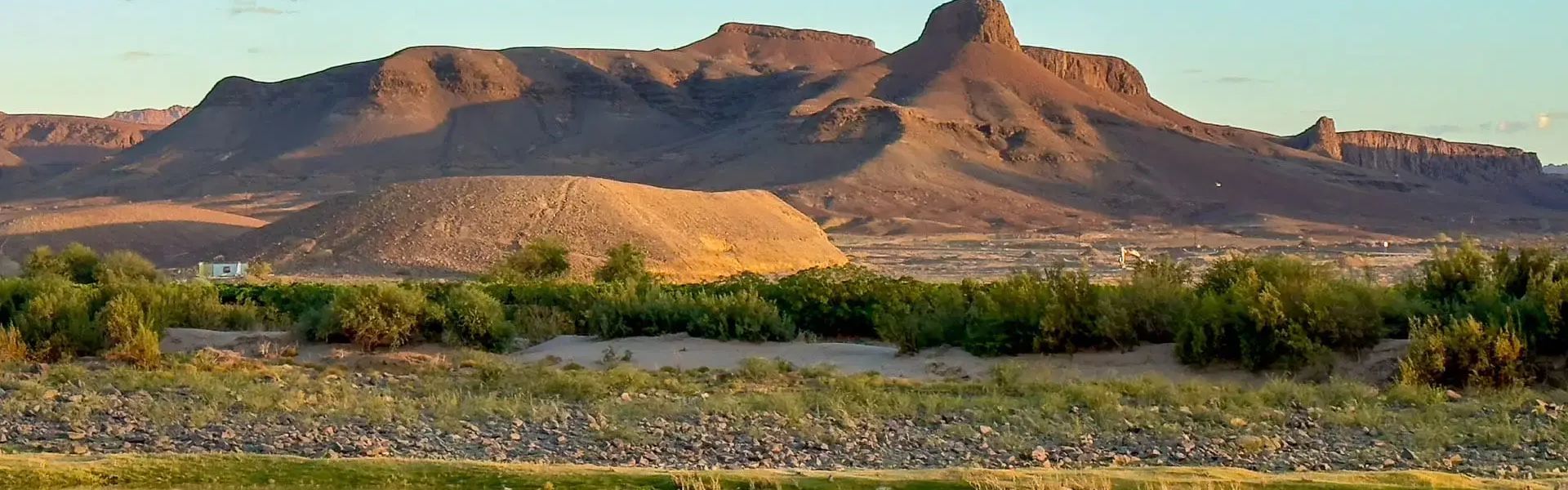
The garden represents Namibia’s diverse vegetation zones, with emphasis on desert and savannah species. Visitors encounter unlandscaped terrain that mirrors natural habitats, allowing plants to thrive in conditions similar to their native environments. The collection includes succulents, acacias, and drought-resistant shrubs, alongside riverine vegetation supported by the Swakop River.
Wildlife
While primarily focused on plants, the garden also supports birdlife, making it a dual attraction for botanists and birdwatchers. Over 200 native plant species are protected here, and the surrounding environment attracts small mammals, reptiles, and numerous bird species that find shelter in the vegetation.
Surrounding Areas
The garden is located in central Windhoek, easily accessible from both the city centre and Klein Windhoek. Its urban setting makes it a convenient retreat for residents and visitors, while also serving as a hub for botanical research and conservation.
Activities
Walking Trails: Self-guided paths allow visitors to explore the garden at their own pace, with labeled specimens for easy identification.
Plant Study: Educational opportunities abound, with over 200 native species and the Desert House collection of desert-adapted plants.
Birdwatching: The garden’s vegetation attracts a variety of bird species, making it a peaceful spot for bird enthusiasts.
Photography: Capture Namibia’s unique flora in a natural setting, from succulents to flowering shrubs.
Educational Visits: Schools and researchers use the garden as a living classroom for conservation and ecology.
Best Time to Visit
Dry Season (May–October): Comfortable weather for walking trails and clear views of desert-adapted plants.
Wet Season (November–March): Lush vegetation and flowering plants make the garden vibrant, though occasional rains may occur.
Transitional Months (April, early November): Balanced conditions with fewer visitors, ideal for photography and study.
Visitor Tips
Access: Located in Windhoek, easily reachable by car or on foot from the city centre.
Supplies: Bring water and snacks, as facilities are limited.
Clothing: Comfortable walking shoes, light clothing for daytime, and hats or sunscreen for sun protection.
Safety: Stay on marked trails to protect plants and avoid disturbing wildlife.
Community Support: Visiting the garden supports Namibia’s conservation and research efforts.