

Ultimate Guide to Khaudum Safari
Find Khaudum Safari Tours from Verified Namibia Operators
The Ultimate Guide to Khaudum Safari
Magnificent Namibia National Parks
Khaudum National Park is a remote wilderness area in northeastern Namibia, lying within the Kalahari Desert west of the Caprivi Strip. Known for its isolation and raw landscapes, the park is often described as Namibia’s “wild frontier.” It is home to large predators such as lions and hyenas, as well as elephants and giraffes, making it a rugged but rewarding destination for adventurous travelers.
Geography
Three major dry riverbeds, called Omuramba—Nhoma, Cwiba, and Khaudum—cut through the park. These ephemeral rivers remain dry for most of the year but flood during the rainy season, creating vital ecological corridors that sustain wildlife and vegetation. The terrain is dominated by sandy soils, thorny bushveld, and dense dry forests.
Climate
Khaudum experiences a semi‑arid climate with stark seasonal contrasts.
Dry Season (April–November): Humidity drops to around 30%, daytime highs average above 25 °C, and nights can dip below 5 °C.
Wet Season (December–March): Humidity rises to 60%, daytime temperatures climb between 30–40 °C, and nights remain warm at 15 °C or higher. Annual rainfall averages 550 mm, with most precipitation concentrated in the summer months.
Vegetation
The park’s vegetation is diverse, ranging from tall dry forests with trees up to 10 metres high to shorter acacia woodlands. Common species include African teak (Pterocarpus angolensis), Zambezi teak (Baikiaea plurijuga), wild seringa (Burkea africana), and false mopane (Guibourtia coleosperma). Along the Omuramba riverbeds, dense acacia forests dominate, interspersed with thorn bushes and reed beds. Blood fruit trees (Terminalia prunioides) are also characteristic of the park.
Wildlife
Khaudum is recognized as a Lion Conservation Unit and supports a rich variety of wildlife.
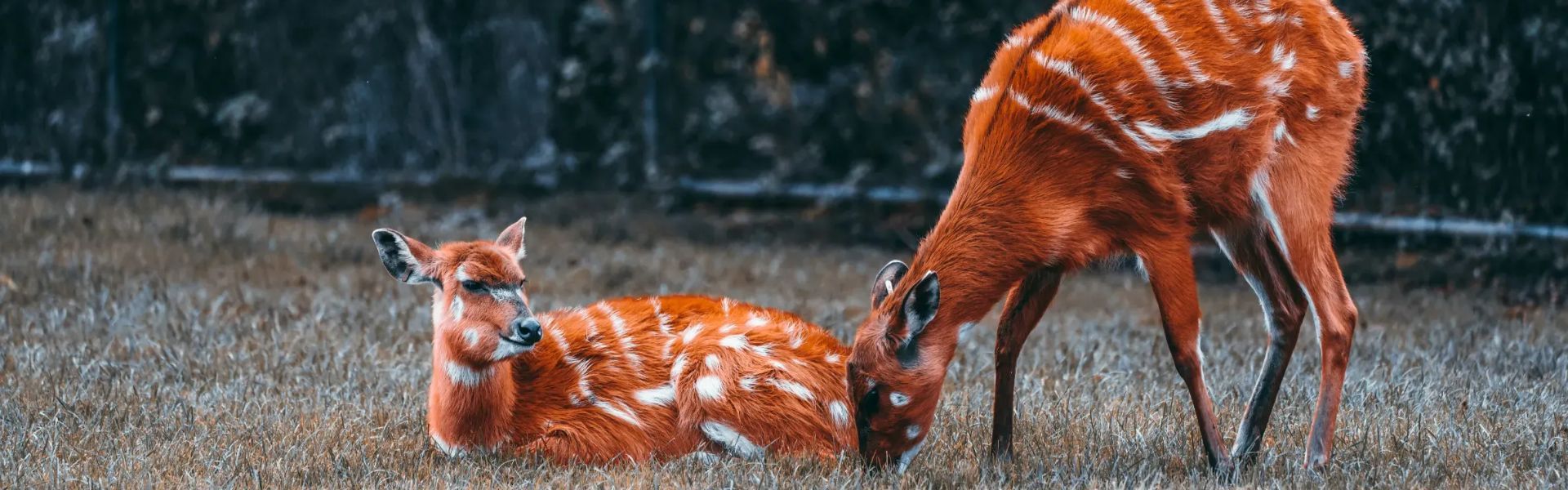
Large Mammals: Over 500 elephants, Angolan giraffes, roan antelope, kudu, eland, reedbuck, and lyre antelope.
Predators: Lions, leopards, spotted hyenas, jackals, occasional cheetahs, and African wild dogs.
Birdlife: More than 320 bird species, including parrots and over 50 species of raptors, thrive here during the wet season.
Tourism
Despite its remoteness, Khaudum attracts adventurous tourists seeking authentic wilderness experiences. Initially, only two camps were available, but the park closed temporarily in 2013. In 2015, the Khaudum campsite was privatized and renovated, now offering shaded camping areas near Xaudum Lodge. Visitors should expect basic facilities and challenging access, but the reward is unparalleled solitude and wildlife encounters.
Best Time to Visit
June–October (Dry Season): Best for wildlife viewing as animals congregate around waterholes.
November–March (Wet Season): Ideal for birdwatching, though roads may be difficult to navigate.
Visitor Tips
Access: A 4x4 vehicle is essential due to sandy tracks and remote conditions.
Supplies: Bring sufficient food, water, and fuel—facilities are minimal.
Accommodation: Camping areas near Xaudum Lodge provide rustic stays.
Clothing: Light wear for hot days, warm layers for cool nights, and sturdy boots.
Safety: Travel with guides or in convoys, as the park is isolated and wildlife is abundant.