

Ultimate Guide to Addo Park Safari
Find Addo Park Safari Tours from Verified South Africa Operators
The Ultimate Guide to Addo Park Safari
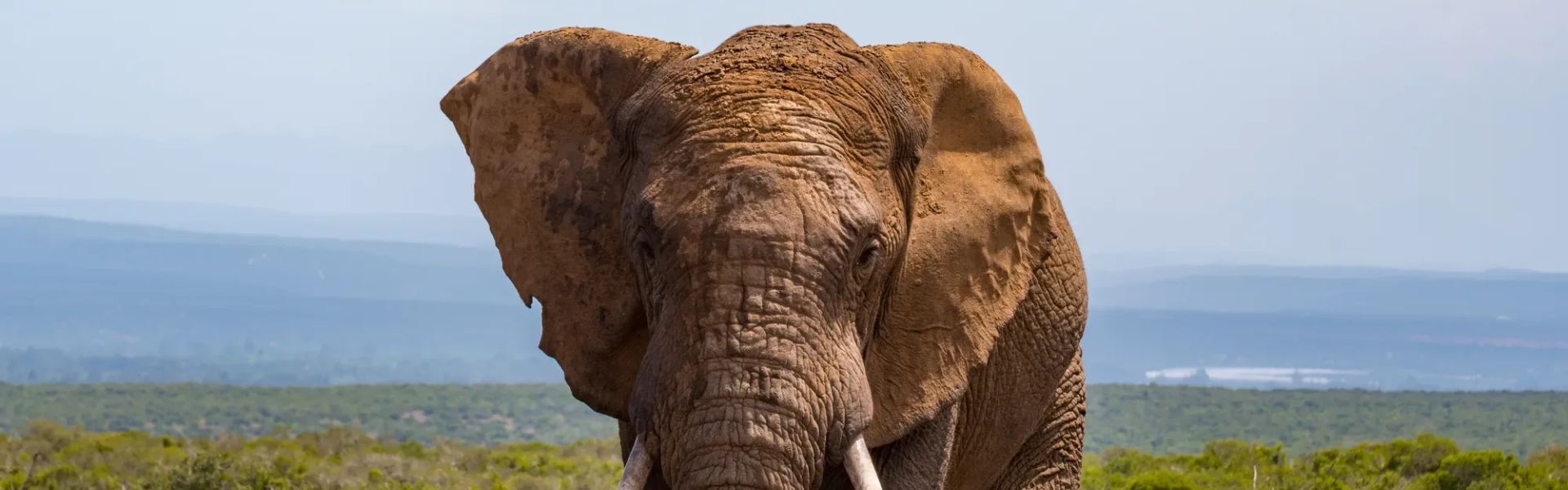
Addo Park SafariAddo Elephant National Park (AENP), located near Gqeberha (Port Elizabeth) in South Africa, is one of the country’s most diverse and celebrated conservation areas. Ranking as the third largest national park after Kruger and Kgalagadi Transfrontier Park, Addo has grown from a small sanctuary for elephants into a vast reserve that protects terrestrial, coastal, and marine ecosystems. Today, it is the only park in Africa to host the “Big 7” elephant, rhinoceros, lion, buffalo, leopard, whale, and great white shark within their natural habitats.
History
The park’s origins lie in the near-extermination of elephants in the region. Between 1919 and 1920, professional hunter Major P. J. Pretorius killed over 120 elephants, reducing the population from about 130 to just 16. In 1925, Minister of Lands Deneys Reitz proclaimed the area a sanctuary, and by 1931, Addo was formally established as a national park under the Natural Parks Act. Early management was difficult, as elephants repeatedly raided nearby farms. Rangers eventually constructed strong barriers using mineshaft cables and tramlines to contain them.
By 1954, the elephant population had risen to 22, and over the decades, other species were introduced, including eland (1957), hippopotamus and rhino (1990s), and Kalahari lions (2003). Today, the park is home to more than 600 elephants, symbolizing one of Africa’s greatest conservation success stories.
Expansion
Originally small, Addo has expanded significantly. It now includes the Woody Cape Nature Reserve, stretching from the Sundays River mouth to Alexandria, and a marine reserve encompassing St. Croix Island and Bird Island. Bird Island hosts the world’s largest breeding colony of gannets (120,000 birds) and the second largest colony of African penguins, while St. Croix holds the largest. Plans to expand Addo into the Greater Addo Elephant National Park would increase its size to 3,600 km², covering five of South Africa’s seven major biomes.
Ecology
Addo’s flora is diverse, with rare and endemic plants, including succulent shrubs and geophytes, many of which face extinction pressures. The park’s ecosystems range from dense thicket vegetation to coastal dunes and marine habitats, supporting a wide variety of species.
Fauna
The park is home to:
600+ elephants
400 Cape buffalo
48 endangered southwestern black rhinoceroses
Lion and spotted hyena (recently reintroduced)
Numerous antelope species, Burchell’s zebra, and warthog
Addo also protects the largest remaining population of the flightless dung beetle (Circellium bacchus), a rare and ecologically important insect.
Conservation & Challenges
Two major issues face Addo: extinction risks and overpopulation. While elephants have thrived, their numbers have led to overgrazing and trampling, threatening plant species. Up to 77 endemic plant species are listed as vulnerable to elephant browsing. Conservationists argue that ecological balance must consider not only herbivores but also factors like seed dispersal (zoochory) and nutrient cycling.
Surrounding Areas
Addo’s marine reserves extend protection to whales, sharks, penguins, and seabirds, making it unique among African parks. The integration of terrestrial and marine ecosystems ensures a holistic conservation approach.
Activities
Visitors to Addo can enjoy:
Game Drives – viewing elephants, buffalo, lions, and antelope.
Marine Safaris – spotting whales, dolphins, and sharks.
Birdwatching – gannets, penguins, and endemic species.
Photography – iconic elephant herds and dramatic coastal scenery.
Educational Tours – learning about conservation successes and challenges.
Best Time to Visit
Addo can be visited year-round. The dry season (May to September) offers excellent wildlife viewing, while the wet season (October to April) brings lush vegetation and birdlife.
Visitor Tips
The main camp offers accommodation, a swimming pool, restaurant, and a floodlit waterhole.
Additional rest camps and concession-run camps are available.
Roads include tarred tourist loops and gravel tracks; 4WD is recommended for some areas.
Book in advance during peak seasons, as Addo is one of South Africa’s most popular parks.
Respect conservation rules, especially regarding marine reserves and endangered species.