

Ultimate Guide to Mapungubwe Safari
Find Mapungubwe Safari Tours from Verified South Africa Operators
The Ultimate Guide to Mapungubwe Safari
Mapungubwe SafariMapungubwe National Park, located in the Limpopo Province of South Africa, forms part of the UNESCO-designated Mapungubwe Cultural Landscape and the Greater Mapungubwe Transfrontier Conservation Area, bordering Botswana and Zimbabwe. The park is historically significant as the site of Mapungubwe Hill, once the capital of the Kingdom of Mapungubwe during the Iron Age. Archaeological discoveries, including the famous Golden Rhinoceros figurine, gold beads, and jewelry, reveal that Mapungubwe was a prosperous and advanced community.
History
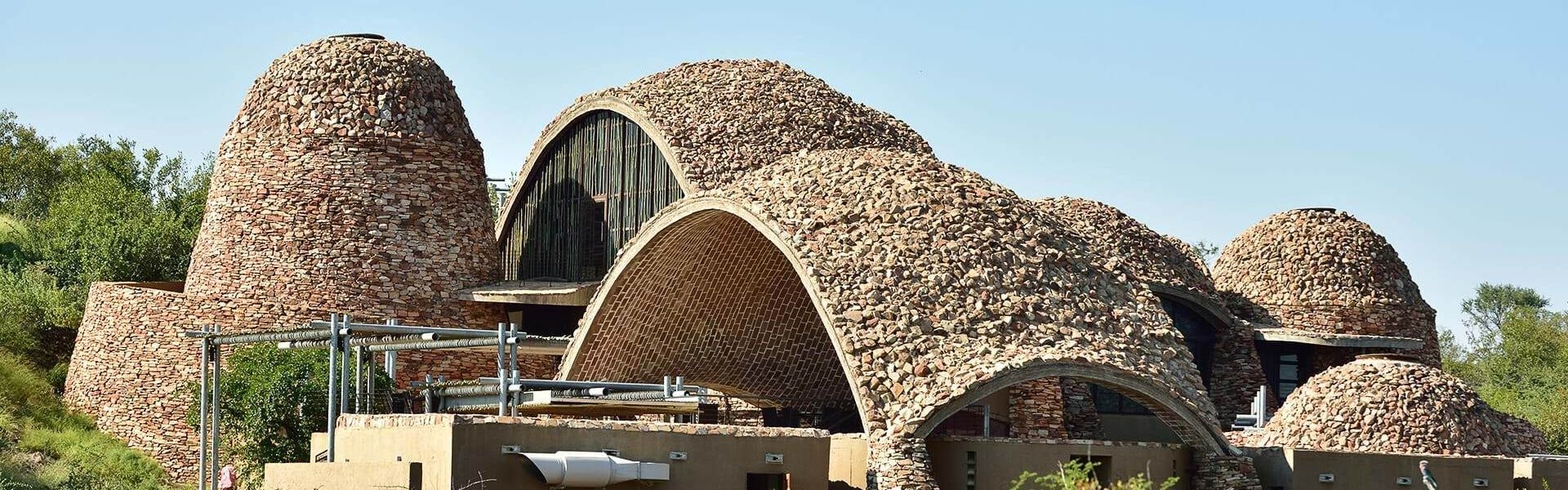
The Mapungubwe area has a long history, with evidence of dinosaurs like Plateosauravus dating back 210 million years. In the early 20th century, botanist Illtyd Buller Pole-Evans promoted conservation here, leading to the creation of the Dongola Botanical Reserve in 1918. By the 1940s, the reserve expanded to include farms such as Greefswald, where Mapungubwe Hill is located. Efforts to proclaim a national park faced political opposition in what became known as the “Battle of Dongola,” and the sanctuary was abolished in 1949. Later, the Vhembe Nature Reserve was established in 1967. In 1998, the Vhembe-Dongola National Park was proclaimed, renamed Mapungubwe National Park, and officially opened on Heritage Day in 2004. The Mapungubwe Cultural Landscape was declared a National Heritage Site in 2001 and inscribed on the UNESCO World Heritage List in 2003. Today, the park is celebrated for both its natural and cultural significance, with a modern Museum and Interpretive Centre housing artefacts and winning international architectural awards.
Ecology
Mapungubwe’s diverse habitats support high species diversity. Vegetation includes mopane woodlands, acacia and commiphora species, and dense riparian forests along the Limpopo River. These riverine zones are rich in fever trees, ana trees, leadwoods, figs, and nyala berry trees, some growing to massive sizes. The park is also famous for its giant baobabs, including one specimen with a circumference of 31 metres. The Limpopo floodplain sustains lush vegetation and provides critical habitat for birds and mammals.
Wildlife
The park is recognized as a Lion Conservation Unit and supports a wide range of species. Large mammals include elephants, hippos, rhinos, leopards, cheetahs, wild dogs, hyenas, giraffes, zebras, wildebeest, kudu, eland, and warthogs. Smaller mammals such as civets, porcupines, caracals, baboons, and vervet monkeys are also common. At least 17 bat species have been recorded. Birdlife is prolific, with 387 species, including Verreaux’s eagle, crimson-breasted shrike, ground hornbill, Pel’s fishing owl, kori bustard, and numerous storks, owls, and raptors. Reptiles include Nile crocodiles, monitor lizards, plated lizards, agamas, geckos, and at least 32 snake species, including black mamba, python, puff adder, and snouted cobra.
Surrounding Areas
Mapungubwe lies at the confluence of South Africa, Botswana, and Zimbabwe, making it part of a broader transfrontier conservation landscape. The nearby Venetia Limpopo Nature Reserve and surrounding farms contribute to ecological connectivity. The park’s UNESCO status has elevated its importance internationally, and the Interpretive Centre provides cultural and educational experiences for visitors.
Activities
Cultural exploration – Visit Mapungubwe Hill and the Interpretive Centre to learn about the ancient kingdom and view artefacts such as the Golden Rhinoceros.
Game drives and wildlife viewing – Explore diverse habitats to see elephants, antelope, predators, and abundant birdlife.
Birdwatching – With nearly 400 species, the park is a hotspot for raptors, owls, storks, and colorful bushveld birds.
Walking trails – Guided walks allow close encounters with vegetation, baobabs, and smaller animals while learning about ecology.
Photography – Capture dramatic landscapes, giant baobabs, and archaeological sites alongside wildlife.
Treetop walk – Experience the park’s canopy and riverine forests from elevated walkways.
Best Time to Visit
Dry season (May–September) – Best for wildlife viewing as animals congregate near water sources and vegetation is sparse.
Wet season (October–April) – The park becomes lush and green, bird activity peaks, and the Limpopo floodplain is at its most vibrant.
Transitional months (April and October) – Offer moderate temperatures and a balance between wildlife visibility and scenic beauty.
Visitor Tips
Respect cultural heritage – Mapungubwe Hill is a sacred archaeological site; follow guidelines when visiting.
Prepare for climate extremes – Summers can be very hot, while winters bring cooler nights; pack accordingly.
Bring binoculars and cameras – Essential for birdwatching and capturing both wildlife and cultural landmarks.
Stay hydrated and carry supplies – Facilities are limited in remote areas, so plan ahead for food and water.
Explore both nature and culture – Balance game drives with visits to the Interpretive Centre for a full experience.
Support conservation efforts – Be mindful of threats such as nearby mining projects and respect park rules to help preserve its UNESCO status.