
Ultimate Guide to Agulhas Safari
Find Agulhas Safari Tours from Verified South Africa Operators
The Ultimate Guide to Agulhas Safari
Agulhas SafariAgulhas National Park located in the Agulhas Plain of the southern Overberg region, Western Cape, South Africa, is one of the country’s most distinctive protected areas. Covering about 20,959 hectares (51,790 acres) as of 2009, it lies roughly 200 km southeast of Cape Town and stretches along the coastal plain between Gansbaai and Struisbaai. Though one of South Africa’s smaller national parks, it is ecologically rich, boasting nearly 2,000 native plant species and wetlands that provide refuge for birds and amphibians. Most famously, it includes the southern tip of Africa at Cape Agulhas, the official meeting point of the Atlantic and Indian Oceans.
Ecology
The park is part of the fynbos biome, one of the world’s richest floral kingdoms, with hundreds of indigenous species adapted to the coastal climate. Seasonal wetlands and lagoons support amphibians and waterbirds, while the Agulhas Bank, a rich marine ecosystem offshore, sustains diverse fish populations. The combination of terrestrial and marine habitats makes Agulhas a hotspot for biodiversity.
Fauna
Wildlife in the park includes southern right whales (seen offshore between November and January), African black oystercatchers, Damara terns, and the rare Cape platanna frog. The marine environment supports abundant fish and seabirds, while the coastal plains host smaller mammals and bird species typical of the fynbos ecosystem.
Conservation & Threats
Agulhas National Park plays a crucial role in protecting fragile fynbos vegetation and endemic species threatened by habitat loss and climate change. Overfishing and coastal development pose risks to the marine ecosystem, while invasive plants challenge the survival of native flora. Conservation efforts focus on habitat restoration, marine protection, and sustainable tourism.
Surrounding Areas
The park lies within the Overberg region, a landscape of rolling plains, coastal dunes, and fishing villages. It is closely linked to the Agulhas Bank, one of the richest fishing grounds in southern Africa. The nearby town of Bredasdorp hosts the Shipwreck Museum, displaying relics from vessels that foundered on the treacherous Agulhas coast, including the De Zoetendal, HMS Birkenhead, and HMS Arniston.
Activities
Visitors to Agulhas National Park can enjoy:
Cape Agulhas Landmark – standing at the southernmost tip of Africa where two oceans meet.
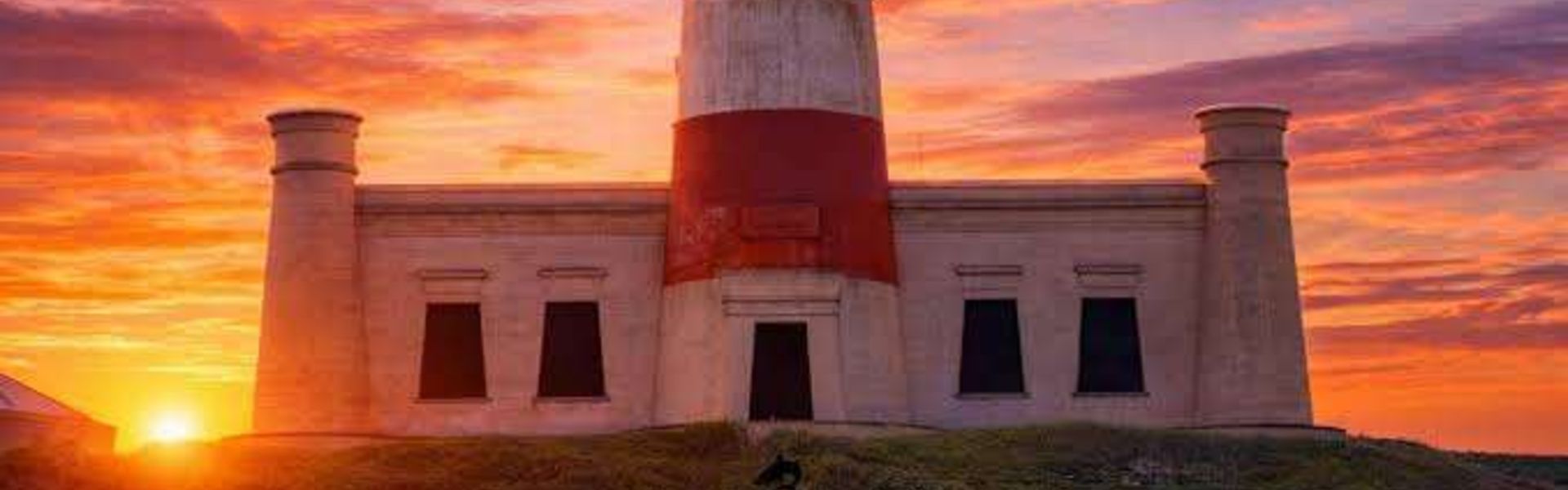
Agulhas Lighthouse – the second-oldest lighthouse in South Africa, with a museum and tearoom.
Whale Watching – southern right whales migrate offshore between November and January.
Birdwatching – spotting oystercatchers, terns, and other coastal species.
Shipwreck Exploration – viewing historic wreck sites and museum exhibits.
Fynbos Walks – exploring trails through diverse indigenous vegetation.
Best Time to Visit
The summer months (November to January) are ideal for whale watching and enjoying coastal scenery. The spring season (September to October) brings blooming fynbos, making it a prime time for plant enthusiasts.
Visitor Tips
Visit the Cape Agulhas plaque marking the southern tip of Africa.
Explore the Agulhas Lighthouse, which offers panoramic views and historical exhibits.
Carry binoculars for whale and birdwatching.
Respect conservation rules, especially regarding fragile fynbos habitats.
Combine a visit with nearby Overberg attractions such as Gansbaai (shark diving) or Struisbaai (fishing village charm).