

Ultimate Guide to Karoo Safari
Find Karoo Safari Tours from Verified South Africa Operators
The Ultimate Guide to Karoo Safari
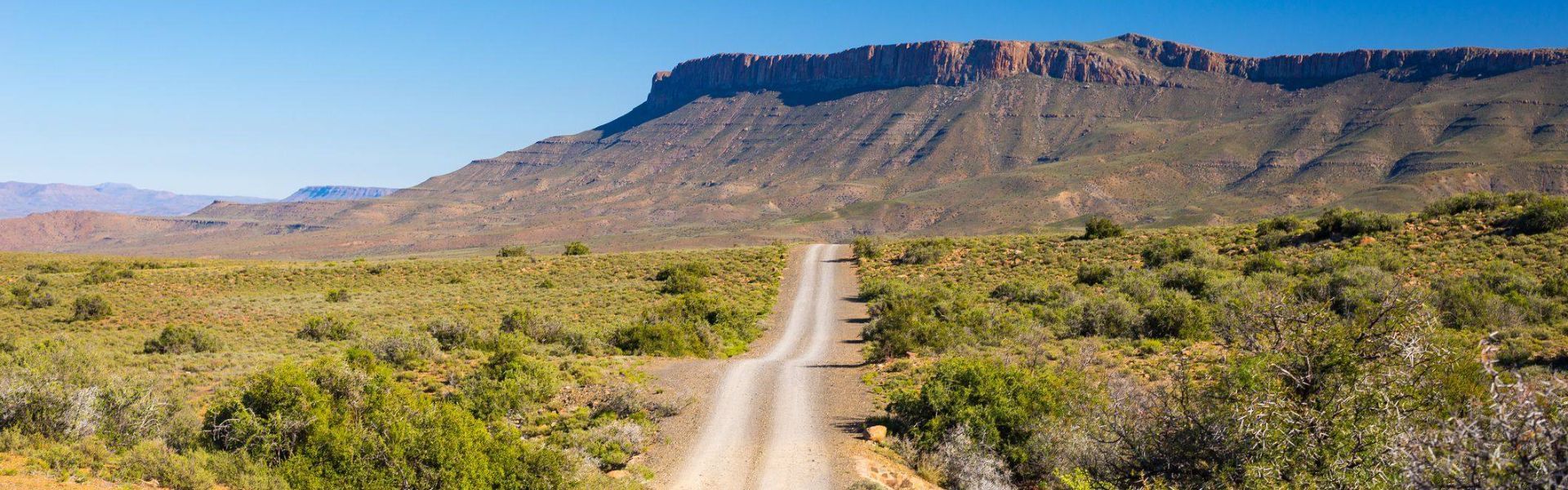
Karoo SafariKaroo National Park, located near Beaufort West in South Africa’s Western Cape, is a vast wildlife reserve in the Great Karoo semi-desert region. Covering 750 km² (290 sq mi), the park protects rugged escarpments, arid plains, and unique biodiversity. The Nuweveld Mountains, part of the Great Escarpment, run through the park, dividing it into the Lower Karoo (around 850 m above sea level) and the Upper Karoo (over 1,300 m altitude). This dramatic landscape offers sweeping vistas, geological wonders, and a sanctuary for rare and endangered species.
Facilities
The park is well-equipped for visitors, offering:
Accommodation – chalets, caravan and tent campsites.
Dining – an à la carte restaurant.
Convenience – a shop for basic necessities and curios.
Picnic Areas – scenic spots for day visitors.
Visitors can explore the park independently or join guided drives. Two main game-viewing routes are accessible without 4x4 vehicles:
Eastern Route – across the Lammertjiesleegte plains of the Lower Karoo.
Western Circular Route (49 km) – ascending the Klipspringer Pass to the Upper Karoo plateau, looping back to the plains at Doornhoek picnic site, with panoramic views from Rooivalle View Point.
The western interior beyond the Klipspringer Pass is accessible by 4x4, offering extensive wilderness and rewarding game viewing.
Wildlife
Karoo National Park is a sanctuary for diverse species adapted to semi-desert conditions:
Large Mammals – springbok, gemsbok (oryx), black wildebeest, Cape mountain zebra, red hartebeest, eland, kudu, and klipspringer.
Predators – lions (recently reintroduced), black-backed jackal, bat-eared fox, and caracal.
Special Species – the endangered riverine rabbit has been successfully resettled here.
Birds of Prey – Verreaux’s eagles nesting on cliffs, martial eagles, booted eagles, and Cape eagle-owls.
Other Birds – ostriches and a wide variety of smaller species, making the park a birder’s paradise.
Reptiles – the park hosts the greatest number of tortoise species in any park worldwide (five species).
A unique conservation project has also introduced Rau Quagga, zebras selectively bred to resemble the extinct quagga that once roamed the Karoo in abundance until the 1800s.
Geology
The park sits on the Beaufort Group of rocks, part of the Karoo Supergroup, deposited between 280–240 million years ago when Gondwana was covered by vast alluvial plains. Rivers comparable to the Ganges and Indus laid down sediments, preserving fossils of amphibians and mammal-like reptiles that made the Karoo famous in palaeontology.
Around 190 million years ago, massive lava flows covered the region, forming the Drakensberg basalts. Dolerite sills intruded between sedimentary layers, later exposed by erosion, creating the flat-topped hills characteristic of the Karoo. The sharp edge of the Great Escarpment, visible in the park, is capped by dolerite sills.
Vegetation
The vegetation is dominated by xerophytic dwarf shrubs (under 1 m high) and grasses adapted to irregular rainfall. These plants are mostly deciduous, responding to seasonal moisture availability. The sparse vegetation reflects the harsh semi-desert climate but supports specialized wildlife.
Climate
Karoo National Park experiences extreme conditions:
Rainfall – averages about 200 mm annually, ranging between 100–500 mm.
Summer – hot, with temperatures reaching 40°C, rainfall from thunderstorms or cold fronts.
Winter – frosty, with temperatures dropping below 0°C, and occasional snow on the Nuweveld peaks.
Highlights
Rooivalle View Point – panoramic vistas of the Lower Karoo.
Klipspringer Pass – winding road up the escarpment with dramatic scenery.
Rooiwalle Canyon – striking geological formations.
Nuweveld Mountains – rugged backdrop to the semi-desert plains.
Best Time to Visit
The park can be visited year-round:
Summer (November–March) – wildlife viewing on plains, though hot conditions prevail.
Winter (May–August) – cooler weather, occasional snow, and crisp landscapes.
Visitor Tips
Use the Klipspringer Pass circular route for varied scenery and wildlife.
Bring binoculars for birdwatching, especially raptors on cliffs.
Be prepared for extreme temperatures; carry water and sun protection.
Explore 4x4 routes for deeper wilderness experiences.