

Ultimate Guide to Bontebok Safari
Find Bontebok Safari Tours from Verified South Africa Operators
The Ultimate Guide to Bontebok Safari
Bontebok SafariBontebok National Park, located just 6 km south of Swellendam in South Africa’s Western Cape, is the smallest of the country’s 19 national parks, covering only 27.86 km². Established in 1931 specifically to protect the bontebok, it remains a species-focused conservation area. The park lies in the Cape Floristic Region, a UNESCO World Heritage Site, and is bordered to the south by the Breede River, with the Langeberg Mountains forming a scenic backdrop.
The Bontebok
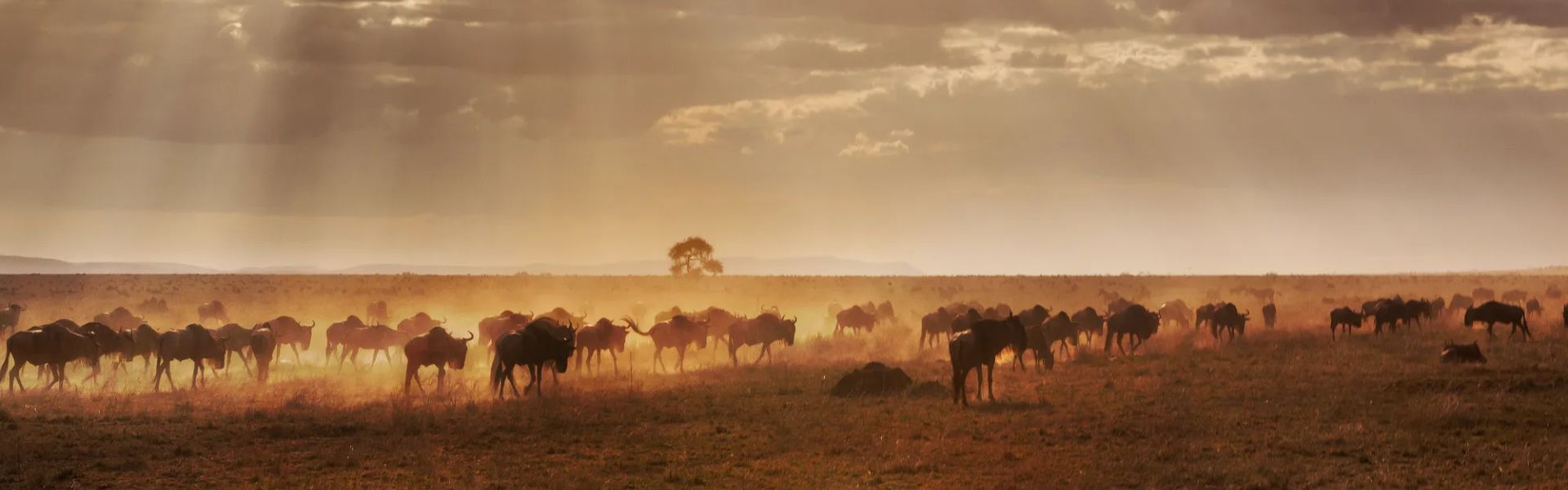
The bontebok is a rare antelope, endemic to the Cape Floral area, and listed as vulnerable under international conservation agreements. Once widespread, bontebok numbers collapsed due to hunting and European settlement, leaving only a small relict population by the early 19th century. In 1931, 17 individuals were translocated to the first Bontebok National Park. Later, in 1961, 61 survivors were moved to the current park after disease and deficiencies reduced numbers. Today, the global population of 2,500–3,000 bontebok all descend from this group. The park supports about 200 bontebok, the maximum sustainable number for its size, with surplus animals translocated to other reserves and private lands.
Ecology
The park protects endangered vegetation types, including fynbos veld and coastal renosterveld, one of the largest remaining “renosterveld islands.” Nearly 500 plant species thrive here, many found nowhere else in the world. Seasonal blooms of fynbos add vibrant color to the landscape, making the park a botanical treasure.
Fauna
Beyond bontebok, the park hosts diverse wildlife. Mammals include grey rhebok, Cape grysbok, steenbok, grey duiker, red hartebeest, Cape mountain zebra, caracal, and African clawless otter. Birdlife is abundant, with over 200 species recorded, including Denham’s bustard, secretary bird, spur-winged goose, and the blue crane, South Africa’s national bird. Smaller species such as sunbirds, flycatchers, and cuckoos add to the richness of the avifauna.
Conservation & Threats
Bontebok National Park demonstrates how species-specific conservation can succeed. However, its small size limits carrying capacity, requiring careful management of bontebok numbers to prevent overgrazing. Habitat restoration and translocation programs ensure both the survival of bontebok and the protection of rare vegetation types.
Activities
Visitors can enjoy a range of safe outdoor activities, as the park lacks large predators:
Self-guided game drives – spotting bontebok and other antelope.
Picnicking – at the Die Stroom area with braai facilities and river access.
Fishing, swimming, and kayaking – on the Breede River.
Mountain biking – along gravel roads or a dedicated 9 km MTB trail.
Hiking trails – including:
Acacia Trail (1.6 km) – flat route through acacia veld.
Aloe Hill Trail (3.3 km) – past historic Lang Elsie’s Kraal, with river views.
Bushbuck Trail (5.4 km) – along the river to Die Stroom.
Blue Crane Trail (3.2 km) – jeep track past dams.
Termite Loop (6 km) – circular trail with gentle inclines.
Birding
The park is a prime birding destination, with large species such as Denham’s bustard, blue crane, spur-winged goose, and secretary bird. Smaller highlights include malachite sunbird, southern double-collared sunbird, Klaas’s cuckoo, acacia pied barbet, red-faced mousebird, and pearl-breasted swallow.
Accommodation
All accommodation is located at Lang Elsie’s Kraal Rest Camp, on the banks of the Breede River. Options include 14 wooden cottages (one- and two-bedroom) and multiple camping stands, with or without electricity, suitable for caravans. Bookings are managed through SANParks.
Best Time to Visit
The park can be visited year-round. Spring (September–November) brings colorful fynbos blooms, while summer (December–February) is ideal for river activities. Cooler months are perfect for hiking and birdwatching.
Visitor Tips
Day visitors have access to all areas except the rest camp.
The Die Stroom picnic area offers ablutions, braai facilities, and river access.
Bring binoculars for birdwatching and cameras for fynbos scenery.
Respect conservation rules, especially regarding bontebok numbers and fragile vegetation.
Combine a visit with nearby attractions in Swellendam and the Langeberg Mountains.