
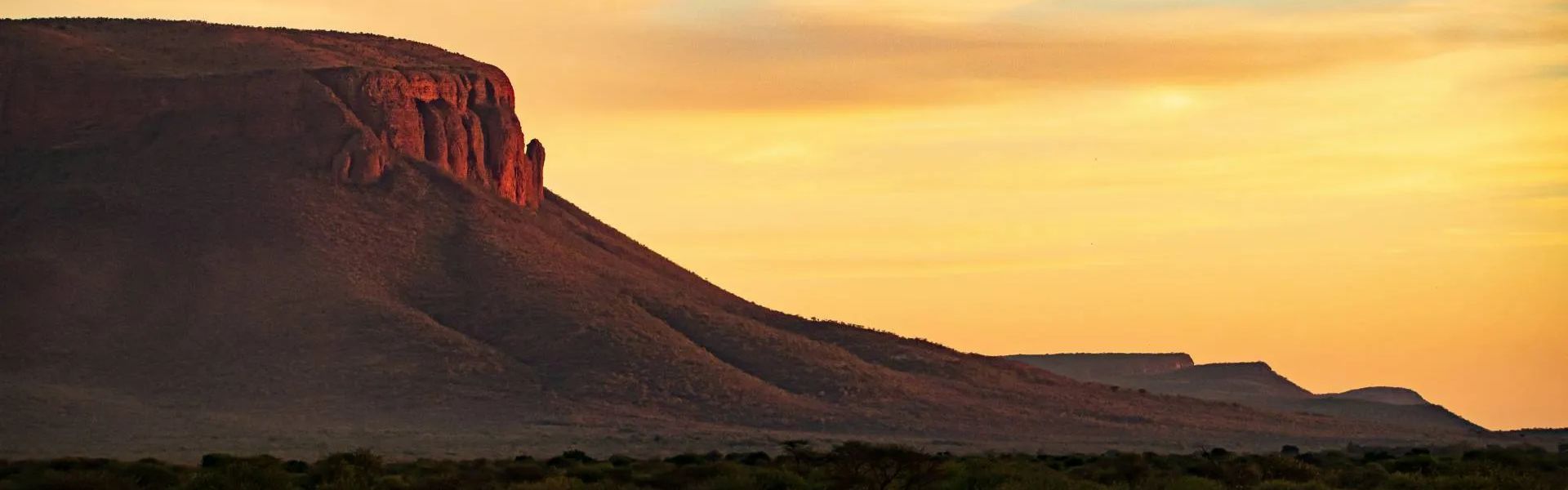

Ultimate Guide to Marakele Safari
Find Marakele Safari Tours from Verified South Africa Operators
The Ultimate Guide to Marakele Safari
Marakele SafariMarakele National Park, located in the Waterberg Biosphere of Limpopo Province, South Africa, is a diverse reserve that combines dramatic mountain landscapes with rich wildlife. The name “Marakele” means “place of sanctuary,” and the park lives up to it by protecting a wide range of species and ecosystems. Covering 670 km², it is a haven for both iconic African wildlife and rare plants, while also offering visitors striking scenery and cultural history.
History
The area now forming Marakele was once home to several Iron Age settlements, though these archaeological sites are not yet open to the public. It was also the home of naturalist Eugène Marais, who studied the region’s ecology. The park was originally founded as Kransberg National Park in 1994 with the purchase of 150 km² of land, and shortly after renamed Marakele. By 1999, it had expanded to 670 km², becoming a significant conservation area within the Waterberg Biosphere.
Ecology
Marakele’s landscapes are shaped by the Matlabas River and the surrounding Waterberg massif. The park contains a mix of vegetation types, with half covered by Waterberg Moist Bushveld and 42% by Mixed Bushveld. The Apiesrivierpoort Forest, located near Tlopi Dam, is a unique 8-hectare forest dominated by red ivory and African olive trees, alongside species such as Celtis africana, Schotia brachypetala, and Mimusops zeyheri. Rare plants include the Waterberg agapanthus (Agapanthus coddii), endemic to the region, and the endangered cycad Encephalartos eugene-maraisii.
Wildlife
Marakele is home to the Big Five, with buffalo reintroduced in 2013 to complete the group. Sixteen antelope species roam the park, including sable, kudu, impala, and waterbuck. Predators such as lions, leopards, hyenas, and brown hyenas are present, alongside smaller mammals like chacma baboons, vervet monkeys, and caracals. Birdlife is exceptional, with over 250 species, including the world’s largest colony of Cape vultures, numbering around 800 breeding pairs. Raptors such as Wahlberg’s eagle, snake eagles, and jackal buzzards are also common.
Surrounding Areas
Marakele lies within the Waterberg Biosphere Reserve, a UNESCO-recognized area that integrates conservation with sustainable land use. The park’s mountainous terrain, river valleys, and forests make it a key ecological zone within Limpopo. Nearby towns provide access and accommodation, while the park itself offers tented camps and camping facilities.
Activities
Game drives – Morning and sunset drives allow visitors to see the Big Five, antelope, and predators in diverse habitats.
4x4 eco trails – Special trails provide adventurous routes through rugged terrain, ideal for exploring remote areas.
Bush walks – Guided walks offer close encounters with plants, birds, and smaller animals, while learning about ecology.
Birding – The park is a hotspot for birdwatchers, with hides at dams and the annual birding census organized by honorary rangers.
Scenic drives – A tarred mountain pass leads to the top of the Waterberg massif, offering panoramic views.
Picnics and viewpoints – Sites at Bollonoto, Bontle, and Tlopi dams provide relaxing spots with excellent wildlife viewing.
Best Time to Visit
Dry season (May–September) – Best for game viewing as animals gather near water sources and vegetation is sparse.
Wet season (October–April) – The park becomes lush and green, bird activity peaks, and landscapes are most scenic.
Transitional months (April and October) – Offer moderate temperatures and a balance between wildlife visibility and comfort.
Visitor Tips
Vehicle access – Most roads are suitable for passenger vehicles, but some require 4x4; plan your routes accordingly.
Accommodation options – Choose between Bontle Camping Site with 36 spots and tented units, or Tlopi Tented Camp on the banks of Tlopi Dam.
Pack for climate – Summers can be hot, while winter nights are cold; bring layered clothing.
Birdwatching gear – Binoculars and cameras are essential to enjoy the park’s rich birdlife, especially the Cape vulture colony.
Respect conservation rules – Stick to designated trails and viewing points to protect sensitive habitats.
Plan for scenic stops – Don’t miss the Lenong viewpoint and dam areas for photography and relaxation.