

Ultimate Guide to Kruger Safari
Find Kruger Safari Tours from Verified South Africa Operators
The Ultimate Guide to Kruger Safari
Kruger SafariKruger National Park, in the northeast of South Africa across Limpopo and Mpumalanga provinces, is the country’s largest and most famous reserve. Covering 19,623 km², it stretches 360 km north to south and 65 km east to west. Established in 1926, it was South Africa’s first national park and is now part of the Kruger to Canyons Biosphere Reserve. Its headquarters are at Skukuza, and in 2024 it drew close to 2 million visitors, making it one of Africa’s premier tourist destinations.
History
Conservation efforts began in the late 1800s when farmers started protecting game on private land. President Paul Kruger, impressed by these initiatives, envisioned a larger reserve along the Sabi River. The Sabi Game Reserve was created in 1898 to control hunting, and James Stevenson-Hamilton became its first warden in 1902. The Singwitsi Reserve followed in 1903. In 1926, the National Parks Act merged the Sabi and Singwitsi reserves with surrounding farms to form Kruger National Park, with Stevenson-Hamilton as warden. Later developments included the forced removal of the Makuleke people in 1969, their land claim victory in 1996, and the incorporation of Kruger into the Great Limpopo Transfrontier Park in 2002, linking it with reserves in Zimbabwe and Mozambique.
Ecology
Kruger spans diverse landscapes, bordered by rivers such as the Limpopo, Luvubu, Sabie, and Crocodile, with the Lebombo Mountains forming its eastern edge. Altitude ranges from 200 m in the east to 840 m in the southwest. Vegetation zones include shrub mopane veld in the northeast, red bush-willow and mopane veld in the northwest, thorn trees and marula veld in the central and southern areas, and knob-thorn veld south of the Olifants River. Smaller communities such as Pretoriuskop sourveld and Malelane mountain bushveld add further diversity, while rainfall gradients shape the distribution of plant life across the park.
Wildlife
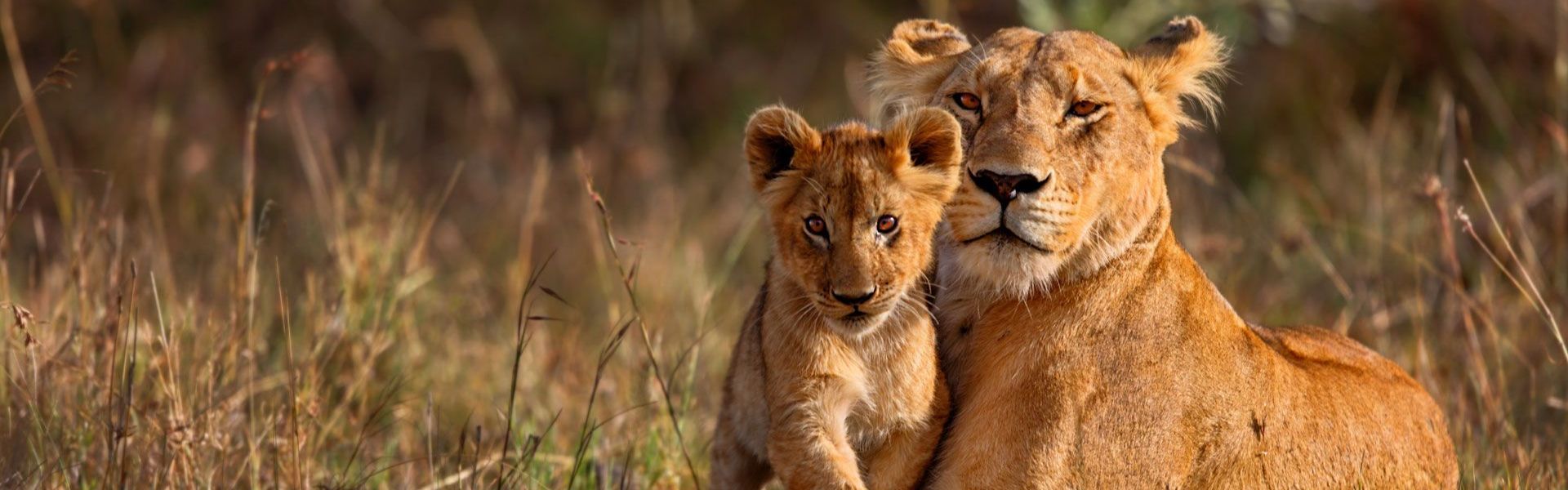
Kruger is home to the Big Five-lion, leopard, elephant, rhino, and buffaloalongside cheetah, hyena, giraffe, zebra, hippo, kudu, sable, roan, and the rare riverine rabbit. Birdlife is prolific, with over 500 species including the “Big Six Birds”: lappet-faced vulture, martial eagle, saddle-billed stork, kori bustard, ground hornbill, and Pel’s fishing owl. Reptiles include African rock python, puff adder, black mamba, boomslang, and five tortoise species. Amphibians and fish are also abundant, with tigerfish, tilapia, and catfish thriving in the rivers, supporting crocodiles and hippos.
Surrounding Areas
Kruger borders towns such as Phalaborwa, Malelane, and Komatipoort, which serve as gateways for visitors. Conservation villages and lodges like Marloth Park, Mjejane, Ngwenya, Leopard Creek, and Elephant Point overlook the southern portion of the park, offering accommodation and tourism opportunities. These surrounding areas provide both access and extended experiences for visitors, linking local communities with the park’s conservation and tourism economy.
Activities
Self-drive safaris – Visitors can explore the park’s extensive road network at their own pace, encountering wildlife in natural settings.
Guided tours and bush walks – Ranger-led experiences provide deeper insights into animal behavior, ecology, and safety in the wild.
Birdwatching – With over 500 species, Kruger is a paradise for bird enthusiasts, especially during the wet season when migratory species arrive.
Photography – The park’s diverse landscapes and iconic Big Five make it one of the best destinations for wildlife and nature photography.
Cultural experiences – Tourism lodges in Makuleke land offer opportunities to learn about local heritage and community conservation efforts.
Best Time to Visit
Dry season (May–September) – Best for game viewing as animals gather at waterholes and vegetation is sparse, making sightings easier.
Wet season (October–April) – The park becomes lush and green, bird migrations peak, and many animals give birth, offering a different kind of spectacle.
Visitor Tips
Choose the right gate – Entry points like Pafuri, Punda Maria, Crocodile Bridge, and Phabeni provide access to different regions of the park.
Prepare for climate extremes – Summers are hot and humid, while winters can be chilly, so pack accordingly.
Bring binoculars and cameras – Essential for birdwatching and capturing memorable wildlife encounters.
Respect conservation rules – Poaching-sensitive species like rhinos and elephants require strict protection, so follow park guidelines carefully.