

Ultimate Guide to Grassland Safari
Find Grassland Safari Tours from Verified South Africa Operators
The Ultimate Guide to Grassland Safari
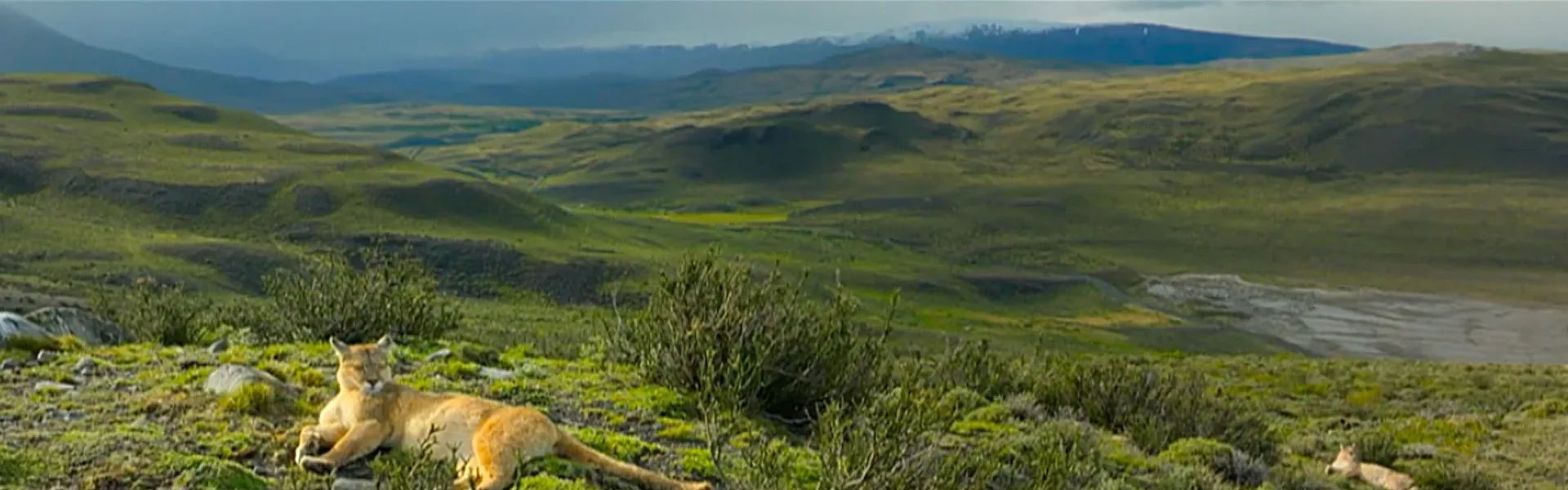
Grassland SafariGrassland National Park, located in the Eastern Cape Highlands of South Africa, lies along the Witteberge mountain range on the south-western border with Lesotho. Established in 2025, it is one of the newest additions to South Africa’s protected areas, created specifically to safeguard the country’s under-protected grassveld ecosystems. Covering rolling highland plains and rugged mountain foothills, the park represents a critical step in conserving biodiversity in a region long overlooked by formal conservation efforts.
History
The park was proclaimed in 2025 through a partnership between South African National Parks (SANParks) and the World Wildlife Fund South Africa (WWF-SA). The initiative was driven by recognition that grassveld vegetation vital for both wildlife and rural livelihoods — had historically received little protection compared to forests, wetlands, and savannas. The establishment of Grassland National Park marked a milestone in expanding South Africa’s conservation network into the highland grasslands, ensuring that these fragile ecosystems are preserved for future generations.
Conservation Model
Grassland National Park is built on an innovative stewardship model that integrates private and communal landownership into conservation. Instead of relying solely on state-owned land, the park encourages voluntary stewardship agreements with landowners and communities. The long-term goal is to expand the current 10,000 hectares of private protected land to 30,000 hectares, creating a larger, connected conservation landscape. This approach not only protects biodiversity but also supports sustainable land use, grazing, and eco-tourism opportunities for local communities.
Ecology
The park conserves high-altitude grassveld ecosystems, characterized by rolling plains, montane grasslands, and scattered rocky outcrops. These grasslands are rich in plant diversity, including hardy grasses, bulbs, and herbs adapted to the cool, wet climate of the Eastern Cape Highlands. Seasonal rainfall supports vibrant wildflower displays, while the rugged terrain provides habitat for specialized species. The park also plays a role in protecting watersheds, as rivers originating in the Witteberge contribute to regional water supplies.
Fauna
Grassland ecosystems support a variety of wildlife, including antelope species such as blesbok, springbok, and mountain reedbuck, as well as smaller mammals like scrub hares and mongooses. Birdlife is abundant, with grassland specialists such as blue cranes, secretary birds, and Denham’s bustards thriving in open plains. Raptors, including jackal buzzards and black harriers, patrol the skies. The park’s establishment also provides opportunities for future reintroductions of species historically lost from the region.
Surrounding Areas
The park lies in a culturally rich and ecologically important region along the Lesotho border, with the Witteberge mountains forming a dramatic backdrop. Surrounding communities rely on grasslands for grazing and agriculture, making the stewardship model essential for balancing conservation with livelihoods. The park also contributes to cross-border ecological connectivity, linking South Africa’s highland ecosystems with those of Lesotho.
Activities
Though still in its early stages of development, Grassland National Park offers opportunities for:
Hiking and Walking Trails – exploring grassveld landscapes and mountain foothills.
Birdwatching – spotting cranes, bustards, and raptors.
Photography – capturing sweeping grassland vistas and seasonal wildflowers.
Community Tourism – engaging with local stewardship projects and cultural experiences.
Best Time to Visit
The park can be visited year-round, but the summer months (November–March) bring lush green grasslands and wildflower blooms, while the winter months (May–August) offer crisp, clear skies and cooler hiking conditions.
Visitor Tips
Facilities are still developing; visitors should plan for basic conditions.
Carry binoculars for birdwatching, as the park is rich in grassland species.
Respect stewardship agreements and local land use, as conservation here is community-driven.
Combine a visit with nearby Lesotho Highlands for a broader ecological and cultural experience.