

Ultimate Guide to Chinhoyi Safari
Find Chinhoyi Safari Tours from Verified Zimbabwe Operators
The Ultimate Guide to Chinhoyi Safari
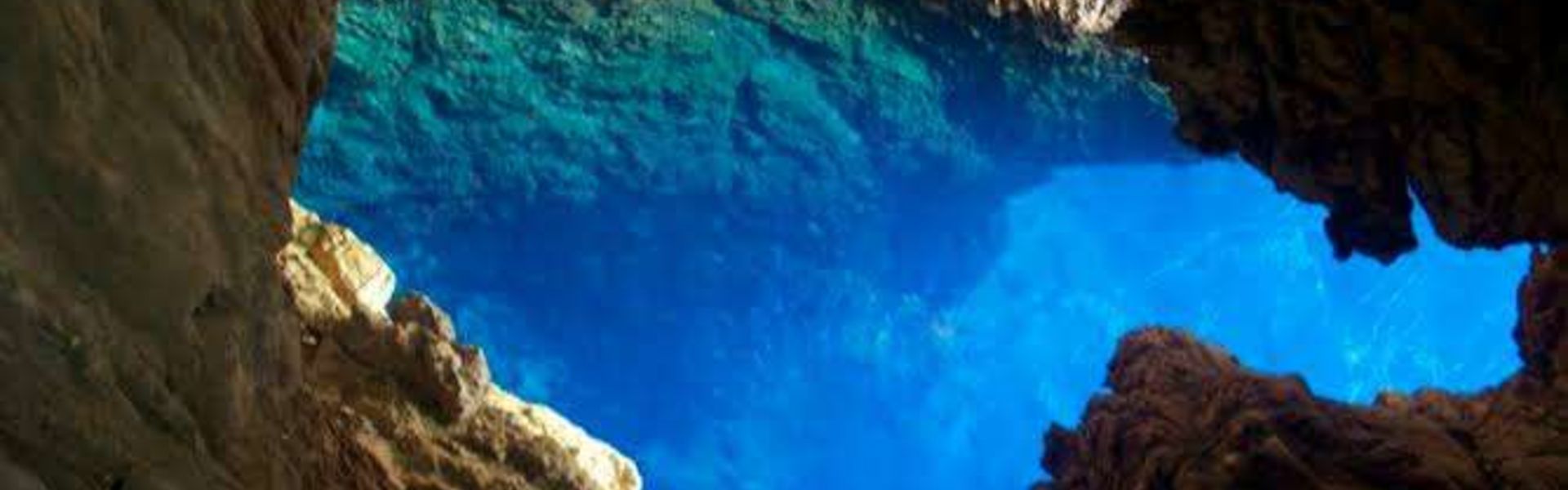
Chinhoyi SafariThe Chinhoyi Caves, formerly known as the Sinoia Caves, are a remarkable system of limestone and dolomite formations located in north-central Zimbabwe. Declared a National Park in 1955, they are managed by the Zimbabwe Parks and Wildlife Management Authority. These caves are among the most accessible and extensive cave systems in the country, attracting visitors for their natural beauty, cultural significance, and unique diving opportunities.
Location & Accessibility
The caves are situated in Makonde District, Mashonaland West Province, about 9 kilometers northwest of the town of Chinhoyi, which serves as the district and provincial headquarters. From Harare, Zimbabwe’s capital, the caves lie approximately 135 kilometers to the northwest, making them a convenient day trip destination. They are positioned along Highway A-1, the main road linking Harare to Chirundu at the Zambian border, which is about 250 kilometers further northwest. This strategic location ensures easy access for both local and international travelers.
Overview
The cave system is composed of striking limestone and dolomite formations. At its heart lies the famous cobalt-blue pool, known locally as Chirorodziva or “Pool of the Fallen,” and internationally as the Sleeping Pool. The water remains consistently clear and cool, with temperatures ranging between 22–24 °C throughout the year. Visibility often exceeds 50 meters, making it one of the most attractive diving sites in Africa. Technical divers have explored underwater passages connecting chambers such as the Bat Cave, Dark Cave, and Blind Cave, with dives sometimes reaching depths of over 100 meters.
Facilities at the site include a campsite managed by the National Parks Authority and a small motel, providing accommodation and basic amenities for visitors.
History
The name Chirorodziva, meaning “Pool of the Fallen,” originates from a tragic event in 1830 when the Angonni tribe attacked local communities and disposed of their victims by throwing them into the cave pool. This grim history has given the caves a deep cultural resonance.
The caves were first documented by the explorer Frederick Courtney Selous in 1888, and since then they have become one of Zimbabwe’s most famous natural landmarks. Their accessibility and dramatic geological features make them a key attraction for both tourists and researchers.
Cultural & Religious Significance
Beyond their geological and historical importance, the Chinhoyi Caves hold a sacred place in African Traditional Religion. The caves and the surrounding forest were traditionally used for rainmaking ceremonies, and the forest itself was considered sacred, with strict prohibitions against cutting down trees. This spiritual connection continues to add depth to the site’s cultural heritage.
Activities
Visitors to the Chinhoyi Caves can enjoy:
Scuba Diving: The clear waters of the Sleeping Pool provide one of the best diving experiences in Africa.
Guided Tours: Explore the caves with knowledgeable guides who explain their geology, history, and cultural importance.
Camping: Stay overnight at the campsite or motel for a more immersive experience.
Photography: Capture the dramatic limestone formations and the striking blue waters.
Best Time to Visit
The caves can be visited year-round, as the water temperature and visibility remain stable. However, the dry season (May–October) offers easier travel conditions and is generally preferred by tourists.
Visitor Tips
Wear sturdy shoes, as cave paths can be uneven.
Guided tours are recommended for safety and deeper insights.
Divers should ensure they are properly trained and equipped, as the caves are suitable for technical diving.
Respect the cultural and religious significance of the site by following conservation rules.