

Ultimate Guide to Mana Pools Safari
Find Mana Pools Safari Tours from Verified Zimbabwe Operators
The Ultimate Guide to Mana Pools Safari
Mana Pools SafariMana Pools National Park is one of Zimbabwe’s most celebrated wilderness areas, covering 2,196 square kilometers along the lower Zambezi River. Each rainy season transforms the floodplain into a series of lakes, which gradually dry up and recede, drawing large numbers of animals in search of water. This seasonal rhythm makes Mana Pools one of Africa’s premier game-viewing destinations, renowned for its raw beauty and ecological richness.
In 1984, the park, together with the Sapi Safari Area and Chewore Safari Area, was inscribed as a UNESCO World Heritage Site, covering a combined 6,766 square kilometers. It was also designated a Ramsar wetland of international importance in 2013. Mana Pools is recognized globally for its pristine wilderness, supporting a wide range of mammals, over 350 bird species, and diverse aquatic life.
Ecology
The name Mana comes from the Shona word for “four,” referring to the four large permanent pools formed by the meandering Zambezi River. The park’s landscape includes 2,500 square kilometers of river frontage, islands, sandbanks, and pools, bordered by forests of mahogany, wild figs, ebonies, and baobabs.
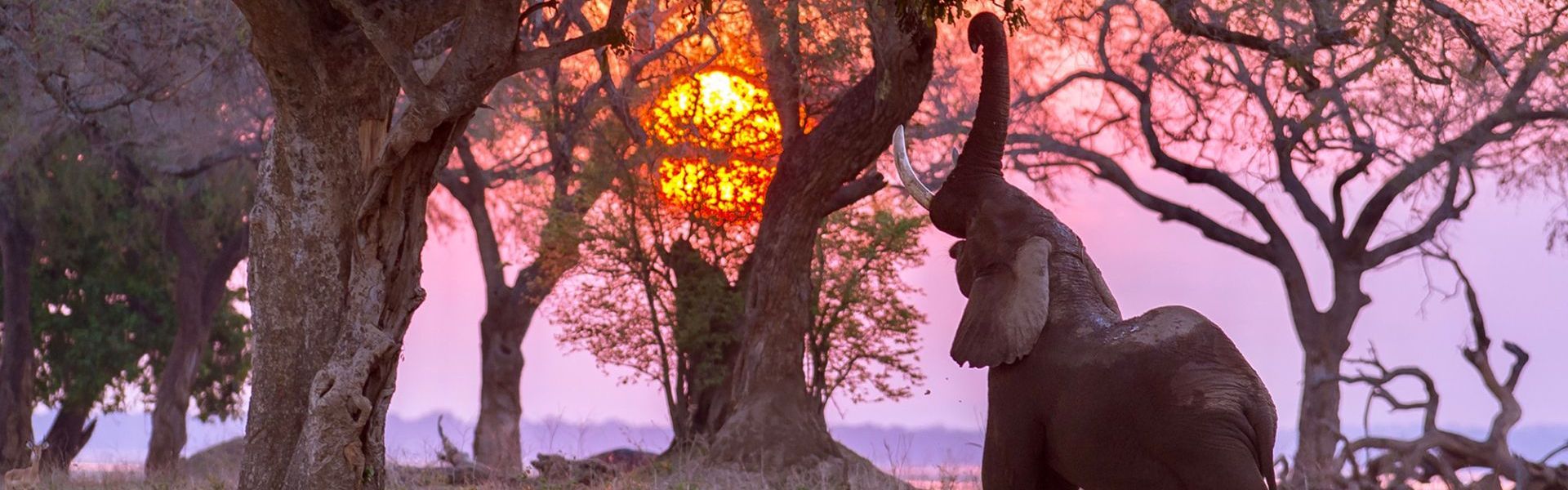
Mana Pools hosts Zimbabwe’s largest concentrations of hippopotami and crocodiles, as well as large dry-season populations of elephants, zebras, and Cape buffalo. Predators such as lions, cheetahs, leopards, and African wild dogs thrive here, alongside near-threatened species like the brown hyena.
Historically, the park was a refuge for eastern black rhinoceroses, with around 500 individuals recorded in the 1980s. However, poaching reduced their numbers drastically, and by 1994 only ten remained, which were relocated for protection.
Conservation & Threats
Mana Pools has faced several conservation challenges. In the early 1980s, it was saved from a hydro-electric scheme that would have flooded the area. Its ecology continues to be influenced by the regulation of the Kariba Dam, and proposals for another dam at Mapata Gorge have raised concerns about potential ecological damage.
In April 2023, Shalom Mining Corporation applied for a permit to prospect for oil and natural gas in a high-value conservation area adjacent to Mana Pools. Conservationists have warned that such activities could endanger the World Heritage Site.
Surrounding Areas
Mana Pools is contiguous with Zambia’s Lower Zambezi National Park across the river, creating a vast transboundary conservation landscape. The UNESCO-designated area also connects with Zimbabwe’s Urungwe, Dande, and Doma Safari Areas, forming one of the largest protected ecosystems in Southern Africa.
Activities
Visitors to Mana Pools can enjoy:
Walking Safaris: The park is famous for guided walks, offering close encounters with elephants, lions, and other wildlife.
Canoeing: The Zambezi River provides unique opportunities to explore by canoe, drifting past hippos, crocodiles, and birdlife.
Game Drives: Traditional safaris allow exploration of floodplains and forests.
Birdwatching: With over 350 species, Mana Pools is a paradise for ornithologists.
Photography: The dramatic landscapes and wildlife interactions make it one of Africa’s most photogenic parks.
Best Time to Visit
The dry season, from May to October, is the best time to visit, as animals congregate around the pools and riverbanks. The wet season brings lush vegetation and vibrant birdlife, though access may be more difficult.
Visitor Tips
Book walking safaris in advance, as they are highly sought after.
Carry binoculars and cameras to capture the park’s rich birdlife and scenery.
Respect conservation rules, as Mana Pools is a fragile ecosystem under constant pressure.