

Ultimate Guide to Nyanga Safari
Find Nyanga Safari Tours from Verified Zimbabwe Operators
The Ultimate Guide to Nyanga Safari
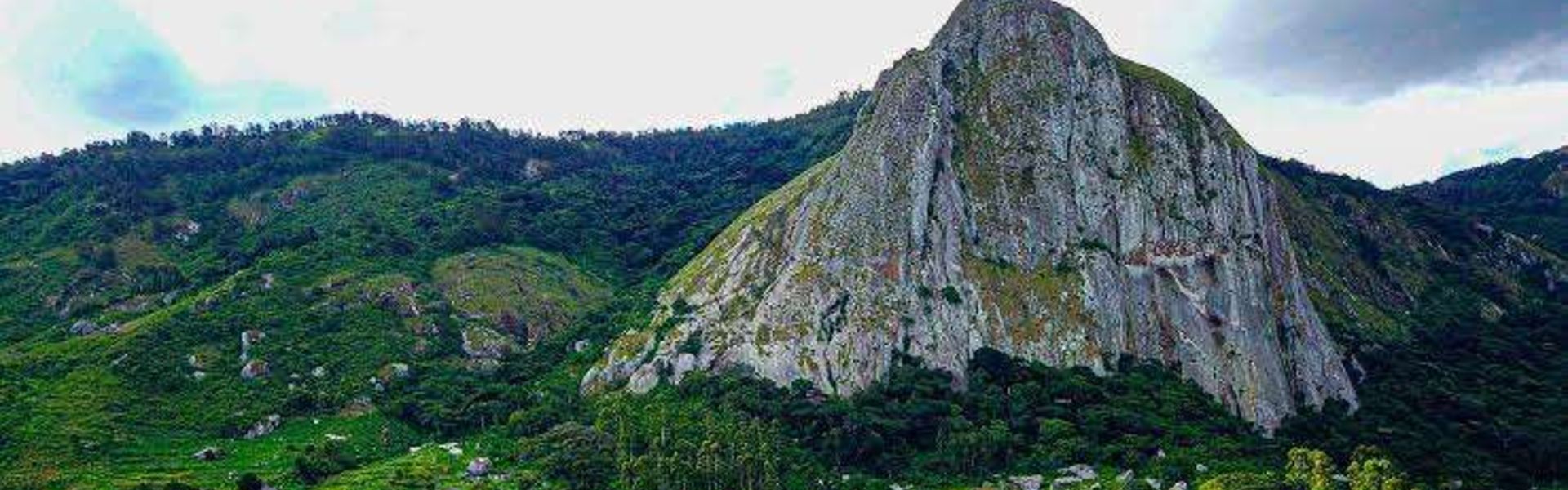
Nyanga SafariNyanga National Park lies in the northern part of Zimbabwe’s Eastern Highlands and is one of the country’s oldest protected areas. Covering rolling downlands, montane forests, and perennial rivers, it is home to Zimbabwe’s highest land, including Mount Nyangani, the nation’s tallest peak at 2,593 meters. The park also boasts Mutarazi Falls, Zimbabwe’s highest waterfall and the second tallest on the African continent. Its landscapes of green hills, moorlands, and valleys make it a unique destination for both nature lovers and cultural explorers.
History
Originally established as Rhodes Inyanga National Park through a bequest from Cecil Rhodes, Nyanga has expanded over the decades. In the late 1990s, acquisitions of the Inyanga Block and Kwaraguza farms nearly doubled its size, incorporating montane rainforest areas and the source of the Kairezi River. The inclusion of Nyazengu farm in 2014 completed the protection of Mount Nyangani and the headwaters of the Pungwe River. The park’s name was later corrected to reflect the proper vernacular pronunciation, Nyanga.
Flora
Nyanga’s vegetation belongs to the Eastern Zimbabwe montane forest-grassland mosaic. Rainforests thrive on the eastern slopes and in steep valleys, dominated by Syzygium species. Dwarf msasa woodlands cover west-facing slopes, while Mulanje cypress survives in fire-protected areas. Tree ferns are a striking feature, with species adapted to both moorlands and rainforests. The endemic Nyanga aloe (Aloe inyangensis) grows at higher altitudes. Alien species such as black wattle and pine have invaded parts of the park, but eradication programs are ongoing.
Fauna
The park supports diverse wildlife, including antelope species such as kudu, reedbuck, and klipspringer, as well as predators like leopards and hyenas. Buffalo and lions occasionally stray in from Mozambique. Unique species include the blue duiker and Samango monkey, found only in the Eastern Highlands. The African clawless otter is common in the upper Kairezi River. Amphibians such as the endangered Inyangani river frog inhabit fast-flowing montane streams.
Nyanga is also famous for trout fishing, with rainbow, brown, and brook trout stocked in its rivers and dams.
Geography & Geology
Mount Nyangani dominates the park’s landscape, surrounded by rivers and waterfalls. The Pungwe River flows south, plunging into the Pungwe Gorge, while Mutarazi Falls drops 762 meters into the Honde Valley. The park is underlain by granite, with dolerite sills forming cliffs, ridges, and waterfalls. Five dams Rhodes, Mare, Udu, Purdon, and Lake Gulliver provide water supply and recreational opportunities.
Archaeology & Culture
Nyanga is rich in archaeological heritage, with ruins of the Ziwa people dating from the 15th to 17th centuries. These include homesteads centered on pit structures, hilltop forts, agricultural terraces, and irrigation furrows. Iron extraction was practiced to support farming. Sites such as Nyangwe Fort and Chawomera Fort are accessible to visitors, while a reconstructed pit structure near Rhodes Dam serves as a museum.
Cecil Rhodes’ former homestead near Rhodes Dam now functions as the Rhodes Museum and Hotel, adding historical depth to the park.
Accommodation
Nyanga offers several rest camps with self-catering lodges at Rhodes Dam, Mare Dam, and Udu Dam. Additional lodges are located at Pungwe Drift, while camping grounds are available near Rhodes Dam, Mutarazi Falls, and other sites. Private facilities include the Rhodes Hotel and Mountain Club of Zimbabwe hut.
Activities
Visitors to Nyanga National Park can enjoy:
Game Viewing: Spot antelope, monkeys, and occasional predators.
Hiking: Trails lead to waterfalls, ruins, and Mount Nyangani’s summit.
Horse Riding: Short and long trails around Mare Dam and Nyangwe Fort.
Fly Fishing: Trout fishing in rivers and dams, with licenses included in park fees.
Swimming: Natural pools and weirs in rivers free of bilharzia.
Boating: Available on Rhodes, Mare, and Udu Dams.
Cultural Exploration: Visit archaeological ruins and Rhodes’ homestead museum.
Best Time to Visit
The dry season (May-October) is ideal for hiking and fishing, with clear skies and cooler temperatures. The wet season (November-April) brings lush vegetation, full waterfalls, and vibrant birdlife, though access to some areas may be more challenging.
Visitor Tips
Carry warm clothing, as temperatures can drop sharply at high altitudes.
Guided hikes are recommended for safety, especially on Mount Nyangani.
Fishing licenses are included in entry fees, but seasonal restrictions apply.
Respect cultural sites, as many ruins hold historical and spiritual significance.