

Ultimate Guide to Zambezi Safari
Find Zambezi Safari Tours from Verified Zimbabwe Operators
The Ultimate Guide to Zambezi Safari
Zambezi SafariZambezi National Park is a scenic wildlife reserve in northwestern Zimbabwe, located upstream from Victoria Falls along the Zambezi River. Covering 56,000 hectares, it was separated from Victoria Falls National Park in 1979. The park is divided by the Kazungula road into two distinct sections: the riverine side along the Zambezi and the Chamabonda Vlei side. Most of the park lies within the Zambezian and mopane woodlands ecoregion, with a smaller portion in the south belonging to the Zambezian Baikiaea woodlands.
Wildlife
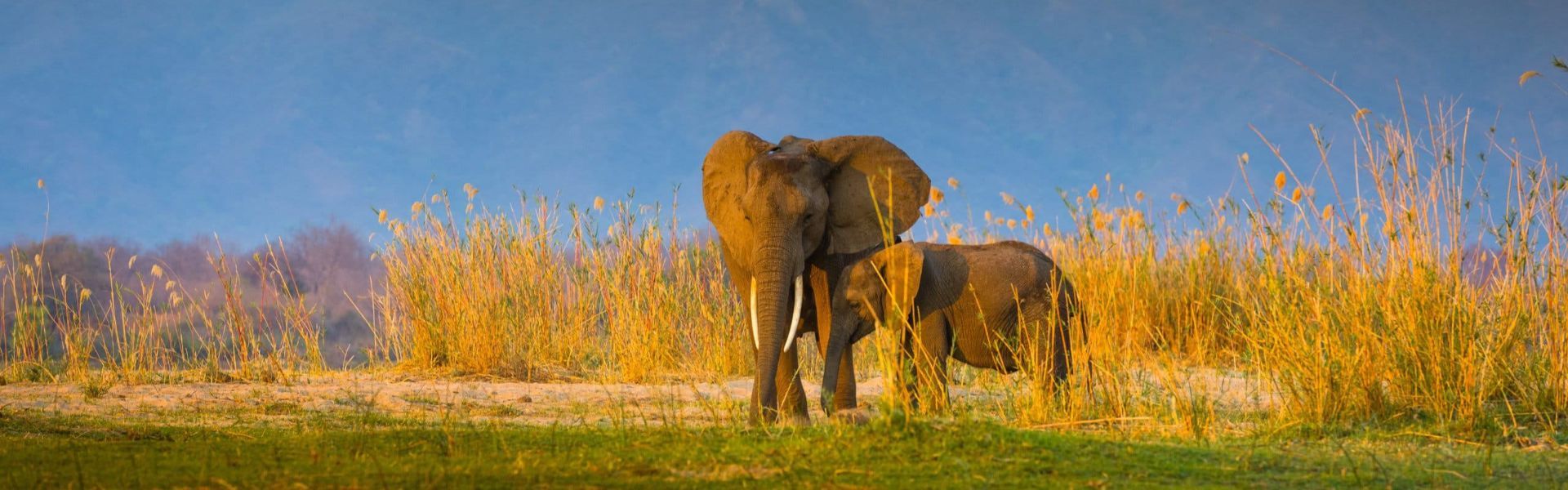
The park is home to an impressive variety of animals. Visitors can expect to see members of the “Big Five,” including elephants, lions, buffalo, and leopards. Other large mammals include giraffes, zebras, kudu, eland, sable antelope, waterbuck, and impala. Smaller species such as warthogs, monkeys, and bushbuck also thrive here.
Birdlife is abundant, with over 400 species recorded. Specialties include Pel’s fishing owl, African skimmer, collared palm thrush, lanner falcon, goliath heron, African finfoot, rock pratincole, and long-toed lapwing. The Zambezi River itself supports 75 fish species, including the famous tiger fish, making the park a popular destination for anglers.
Tourism & Access
Zambezi National Park is easily accessible from Victoria Falls town, making it ideal for day trips. Several lodges overlook the river, offering immersive bush experiences. Elephant and buffalo are regularly seen near the river, while giraffes and zebras roam the plains.
Visitors can explore the park through two main routes:
Zambezi River Game Drive: A network of roads along the riverbanks, accessed through the main gate.
Chamabonda Game Drive: A 25 km route into the wilder southern section of the park, starting 5 km south of Victoria Falls off the A8 road.
Activities
Visitors to Zambezi National Park can enjoy:
Game Drives: Spot elephants, lions, antelope, and other wildlife.
Birdwatching: Observe rare species along the river and vlei.
Fishing: Catch tiger fish and other species in the Zambezi River.
Photography: Capture stunning river views and diverse wildlife.
Bush Lodging: Stay in lodges overlooking the river for a true wilderness experience.
Best Time to Visit
The dry season (May-October) is best for wildlife viewing, as animals gather near water sources and vegetation is less dense. The wet season (November-April) brings lush greenery and vibrant birdlife, though roads may be more difficult to navigate.
Visitor Tips
Combine a visit with Victoria Falls for a complete safari and scenic experience.
Carry binoculars for birdwatching, as the park is a hotspot for rare species.
Fishing permits may be required, so check with park authorities.
Respect conservation rules, as the park is part of the broader Kavango–Zambezi Transfrontier Conservation Area.