

Ultimate Guide to Kavango–Zambezi Safari
Find Kavango–Zambezi Safari Tours from Verified Zimbabwe Operators
The Ultimate Guide to Kavango–Zambezi Safari
Kavango–Zambezi SafariThe Kavango–Zambezi Transfrontier Conservation Area (KAZA TFCA) is the second-largest nature and landscape conservation area in the world, spanning an extraordinary 520,000 square kilometers across five Southern African countries. It encompasses vast portions of the Upper Zambezi River and Okavango basins, including the Okavango Delta, the Caprivi Strip of Namibia, southeastern Angola, southwestern Zambia, northern Botswana, and western Zimbabwe. At its heart lies the confluence of the Zambezi and Chobe Rivers, where the borders of Botswana, Namibia, Zambia, and Zimbabwe meet. This unique location makes KAZA one of the most significant ecological and cultural regions in Africa.
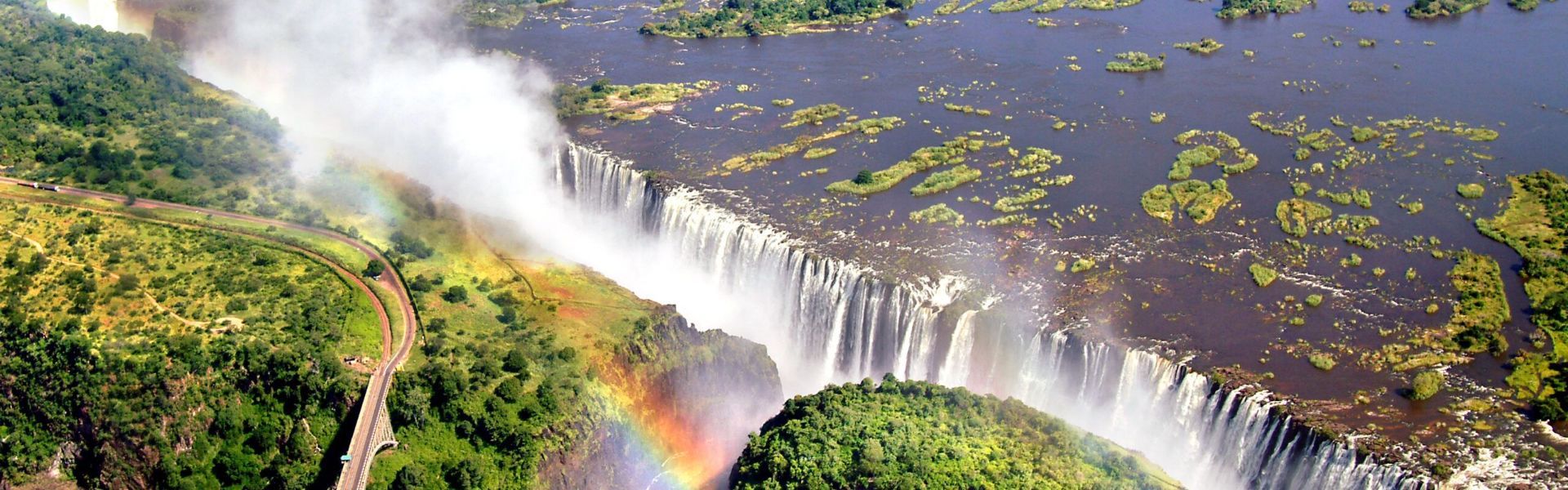
The conservation area incorporates some of the continent’s most iconic sites, including Chobe National Park, Hwange National Park, and the world-famous Victoria Falls. It is also home to the largest population of African elephants on Earth, estimated at around 250,000 individuals, making it a critical stronghold for the species.
History
The idea of KAZA was first inspired by the Okavango–Upper Zambezi International Tourism Initiative and the Four Corners Transboundary Natural Resource Management project. In 2003, tourism ministers from Angola, Botswana, Namibia, Zambia, and Zimbabwe met in Katima Mulilo, Namibia, to discuss the concept. By 2006, the Southern African Development Community (SADC) had endorsed KAZA as an official project, and later that year the five partner countries signed a memorandum of understanding at Victoria Falls.
The formal establishment of KAZA came on August 18, 2011, when the heads of government of the five nations signed a treaty. The official opening followed on March 15, 2012, in Katima Mulilo. Financial support for the project has come from international partners including the German government, KfW Development Bank, the World Bank, the Netherlands, and Sweden.
In 2014, lions were studied across the conservation area to better understand predator populations. That same year, Zambia and Zimbabwe introduced a common KAZA visa, allowing tourists to move freely across borders within the conservation area, a major step toward promoting regional tourism and integration.
Landscape & Components
KAZA covers 520,000 square kilometers, with land distributed across the five partner countries: 17% in Angola, 30% in Botswana, 14% in Namibia, 25% in Zambia, and 14% in Zimbabwe. Its landscapes range from river basins and floodplains to savannahs, woodlands, and wetlands, creating one of the most diverse ecological regions in the world.
The area’s centerpiece is the meeting point of the Zambezi and Chobe Rivers, a location of immense ecological importance and cultural symbolism. Within its boundaries lie globally recognized landmarks such as Victoria Falls, one of the Seven Natural Wonders of the World, and the Okavango Delta, a UNESCO World Heritage Site.
Wildlife
KAZA is home to unparalleled biodiversity. Its elephant population is the largest in the world, and the region also supports lions, leopards, cheetahs, buffalo, giraffes, zebras, wildebeest, and countless smaller species. Birdlife is equally rich, with hundreds of species thriving across wetlands, woodlands, and savannahs. The transfrontier nature of the park allows wildlife to move freely across borders, restoring ancient migratory routes and strengthening genetic diversity.
Activities
Visitors to KAZA can enjoy:
Game Drives: Explore diverse habitats across multiple countries.
Cross-Border Safaris: Experience seamless travel between Botswana, Namibia, Zambia, Zimbabwe, and Angola.
Birdwatching: Discover rare and migratory species in wetlands and floodplains.
Victoria Falls Tours: Witness one of the world’s greatest natural wonders.
Cultural Experiences: Engage with local communities who live within and around the conservation area.
Best Time to Visit
The dry season, from May to October, is ideal for wildlife viewing, as animals gather around rivers and waterholes. The wet season, from November to April, transforms the region into a lush paradise, perfect for birdwatching and photography, though travel conditions may be more challenging.
Visitor Tips
Carry valid travel documents, especially if planning to use the KAZA visa for cross-border travel.
Guided tours are recommended for safety and deeper insights into the region’s ecology and culture.
Respect conservation rules, as the success of KAZA depends on careful management of its fragile ecosystems.
Plan for extended stays to fully appreciate the scale and diversity of this vast transfrontier conservation area.