
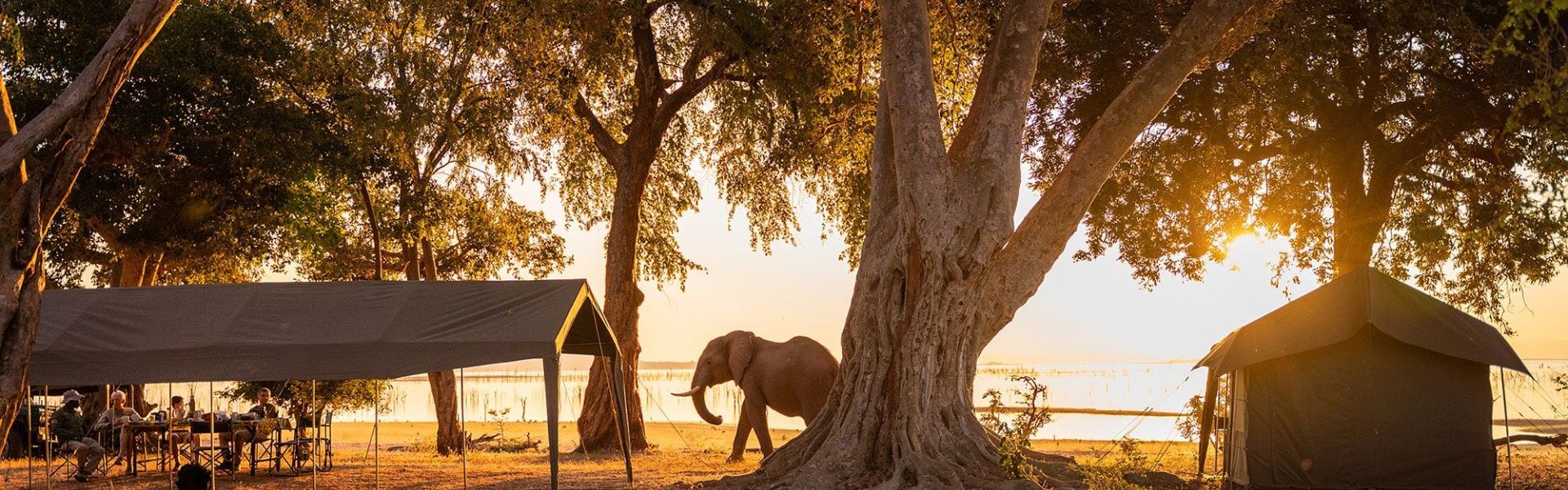

Ultimate Guide to Matusadona Safari
Find Matusadona Safari Tours from Verified Zimbabwe Operators
The Ultimate Guide to Matusadona Safari
Matusadona SafariMatusadona National Park is a rugged wilderness area located on the southern shores of Lake Kariba in northern Zimbabwe. Covering 1,400 square kilometers, the park takes its name from the Matuzviadonha Hills and is known for its dramatic landscapes of flat plains, escarpments, and lakeshore grasslands. Once inaccessible before the construction of the Kariba Dam, the creation of Lake Kariba transformed the ecology of the region, providing new grazing grounds that boosted populations of large mammals such as elephants and Cape buffalo.
History
The park was first proclaimed a non-hunting area in 1958, later becoming a Game Reserve in 1963, and finally a National Park in 1975 under the Parks and Wildlife Act. The formation of Lake Kariba brought profound ecological changes, particularly the growth of Panicum repens grass along the fluctuating shoreline, which attracted large herds of grazers and, in turn, predators. Matusadona was also designated an Intensive Protection Zone (IPZ) for relocated rhinoceroses, highlighting its role in species conservation.
Ecology
Matusadona encompasses three distinct ecological zones:
Lake Kariba and Shoreline Grasslands: Seasonal grazing areas that sustain buffalo, zebra, impala, and waterbuck.
Zambezi Valley Floor: Dense thickets of jesse bush and mopane woodland, providing shade and habitat for elephants and browsers.
Escarpment Woodlands: Rugged terrain rising 700 meters above the valley, dominated by Julbernardia and Brachystegia trees.
Elephant browsing and fire damage have altered the escarpment woodlands, leading to grassland expansion. Park managers have implemented elephant population control and early burning programs to protect the vegetation, with signs of regrowth now visible.
Wildlife
Matusadona supports a wide range of species. Elephants are found throughout the park, while buffalo, zebra, impala, kudu, and bushbuck thrive along the lakeshore. Predators include lions, leopards, and hyenas. However, lion populations have declined sharply since the early 2000s due to loss of buffalo grazing areas, with only about 28 lions estimated in 2004. The park remains vulnerable to environmental pressures and poaching.
Conservation & Management
In November 2019, management of Matusadona was handed over to African Parks, in partnership with the Zimbabwe Parks and Wildlife Management Authority. This move came after years of decline caused by rampant poaching and poor infrastructure. African Parks has since focused on restoring wildlife populations, improving protection, and enhancing tourism facilities.
Facilities
Visitors can stay at several campsites within the park:
Tashinga Camp, Sanyati Camp, and Changachirere Camp offer basic facilities.
Jenje and Kanjedza Bush Camps provide undeveloped sites for small groups.
Exclusive Campsites at Ume, Muuyu, Mbalabala, Maronga, and Kautsiga cater to those seeking privacy.
Access
Matusadona is relatively remote and difficult to access. A small landing strip at Tashinga Camp accommodates light aircraft, while many visitors arrive by boat from Kariba town or Bumi Hills. Road access is limited and often closed during the rainy season, keeping visitor numbers low and preserving the park’s wilderness atmosphere.
Activities
Visitors to Matusadona can enjoy:
Game Viewing: Spot elephants, buffalo, antelopes, and predators in diverse habitats.
Birdwatching: Lake Kariba and the escarpment host a variety of bird species.
Fishing & Boating: The lake offers opportunities for recreational fishing and boat excursions.
Camping: Experience the wilderness at both developed and bush campsites.
Best Time to Visit
The dry season (May-October) is best for wildlife viewing, as animals gather along the lake and grasslands. The wet season (November-April) brings lush vegetation and birdlife but makes access more challenging.
Visitor Tips
Plan for limited facilities and bring supplies, as the park is remote.
Access by boat or air is often easier than by road.
Guided tours are recommended for safety and deeper insights.
Respect conservation rules, as Matusadona is a fragile ecosystem under restoration.