

Ultimate Guide to Chizarira Safari
Find Chizarira Safari Tours from Verified Zimbabwe Operators
The Ultimate Guide to Chizarira Safari
Chizarira SafariChizarira National Park, located in the northern part of Zimbabwe, is one of the country’s most remote and least visited wilderness areas. Covering about 2,000 square kilometers, it is Zimbabwe’s third-largest national park, yet its isolation on the Zambezi Escarpment has kept it relatively unknown compared to other destinations. The park’s name comes from the Batonga word chijalila, meaning “great barrier,” a reference to the rugged escarpment terrain that defines its landscape. Despite its remoteness, Chizarira offers breathtaking scenery, rich wildlife populations, and an unmatched sense of wilderness.
Landscape & Description
The park straddles two major ecological zones: the southern miombo woodlands and the Zambezian mopane woodlands. Its terrain is dramatic, with the escarpment dropping nearly 600 meters to the Zambezi River valley floor, offering sweeping views toward Lake Kariba, which lies about 40 kilometers to the north. Rivers such as the Mcheni and Lwizikululu carve deep gorges into the escarpment, creating striking geological features. At the northeastern edge of the park stands Mount Tundazi, a site of local legend said to be home to Nyaminyami, the serpent river god revered by the Batonga people.
The southern boundary of the park is marked by the Busi River, whose floodplains support winter thorn (Faidherbia albida) woodlands. Within the valleys and gorges, lush vegetation thrives, nourished by natural springs. The rugged mountains, steep gulches, and impenetrable valleys combine to create a landscape that feels untouched and wild, making Chizarira a true sanctuary for nature lovers.
Wildlife
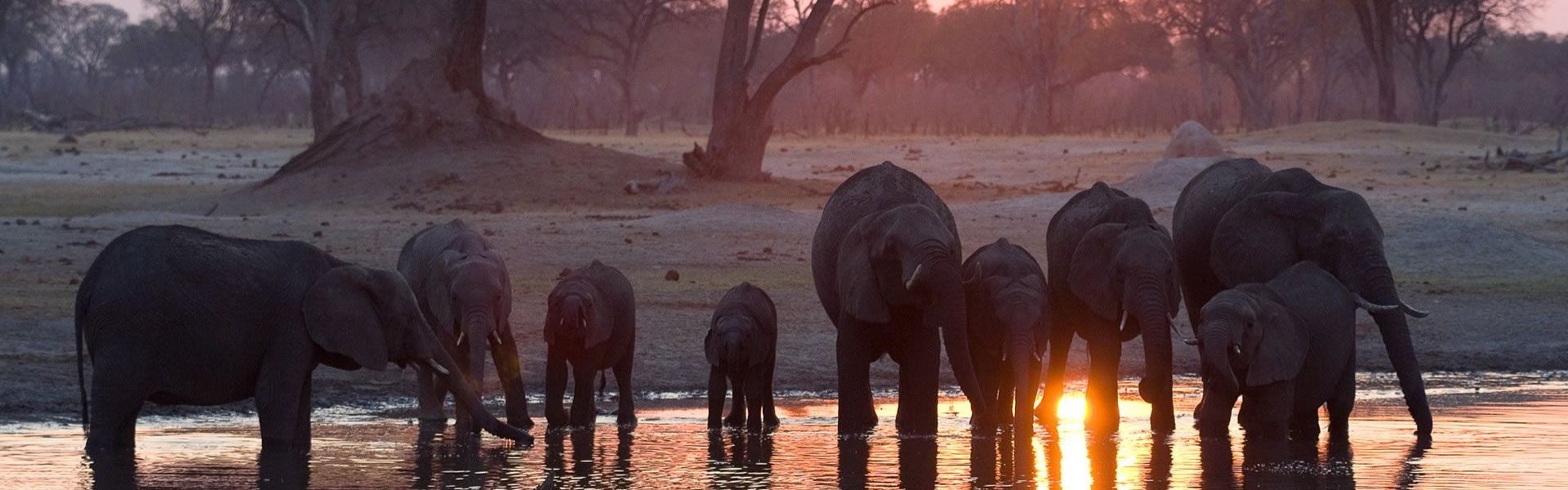
Chizarira hosts a wide range of wildlife, including four of the Big Five elephants, lions, leopards, and Cape buffalo though rhinos are absent. The park’s rocky terrain is particularly favorable for leopards, while its open plains and woodlands support a variety of herbivores. Smaller species such as the klipspringer, adept at navigating steep rocky outcrops, also thrive here.
Birdlife is abundant, with hundreds of species recorded. Notable sightings include the African broadbill, Livingstone’s flycatcher, western nicator, African emerald cuckoo, and the elusive African pitta. Chizarira is also one of the few places where the rare Taita falcon breeds, making it a significant destination for birdwatchers.
History
The park’s conservation journey began in 1938 when it was declared a non-hunting reserve. It later became a game reserve in 1963 and was officially designated a national park under the Parks and Wildlife Act of 1975. Its headquarters are located at Manzituba.
Unfortunately, the park’s remoteness and lack of tourism infrastructure have made it vulnerable to poaching, especially during Zimbabwe’s economic crisis in the early 2000s. With few lodges and safari operators, poachers have often had free rein, threatening the park’s wildlife populations.
Activities
Visitors to Chizarira can enjoy:
Walking Safaris: The park is best explored on foot, offering intimate encounters with its rugged terrain and wildlife.
Birdwatching: With rare species like the African pitta and Taita falcon, the park is a paradise for ornithologists.
Scenic Viewing: The escarpment provides breathtaking views over the Zambezi Valley and Lake Kariba.
Wilderness Exploration: Its remoteness ensures a true off-the-beaten-path experience for adventurous travelers.
Best Time to Visit
The dry season, from May to October, is the most suitable time to visit, as wildlife is easier to spot and trails are more accessible. The wet season brings lush vegetation and vibrant birdlife but can make travel more challenging.
Visitor Tips
Due to its remoteness, visitors should plan carefully and bring sufficient supplies.
Guided safaris are recommended for safety and deeper insights into the park’s ecology.
Respect conservation rules, as the park’s wildlife remains under threat from poaching.
Combine a visit with Lake Kariba or nearby reserves for a fuller safari experience.