

Ultimate Guide to Kazuma Pan Safari
Find Kazuma Pan Safari Tours from Verified Zimbabwe Operators
The Ultimate Guide to Kazuma Pan Safari
Kazuma Pan SafariKazuma Pan National Park is one of Zimbabwe’s most distinctive wilderness areas, located in the extreme northwestern corner of the country along the Botswana border. Covering about 313 square kilometers (77,345 acres), it lies just northwest of Hwange National Park and offers a rare landscape of open grassy plains, unlike the typical bush and woodland scenery found elsewhere in Zimbabwe. Its wide horizons and seasonal pans make it an important refuge for wildlife, especially during the dry season when water becomes scarce.
Landscape & Ecology
Kazuma Pan is virtually untouched wilderness, characterized by expansive grasslands fringed with mopane and Kalahari sand woodlands. The park’s defining feature is its series of pans-shallow depressions that fill with water seasonally. Some of these pans are maintained year-round by borehole pumping, ensuring a permanent water source even in the driest months. This availability of water attracts large herds of animals migrating between Botswana and Zimbabwe, particularly from September until the first rains in November or December.
The open plains of Kazuma Pan evoke comparisons with the great East African savannahs, offering excellent visibility for wildlife viewing. In the southwest, seasonally flooded pans create habitats for waterfowl, making the park a haven for birdlife.
Wildlife
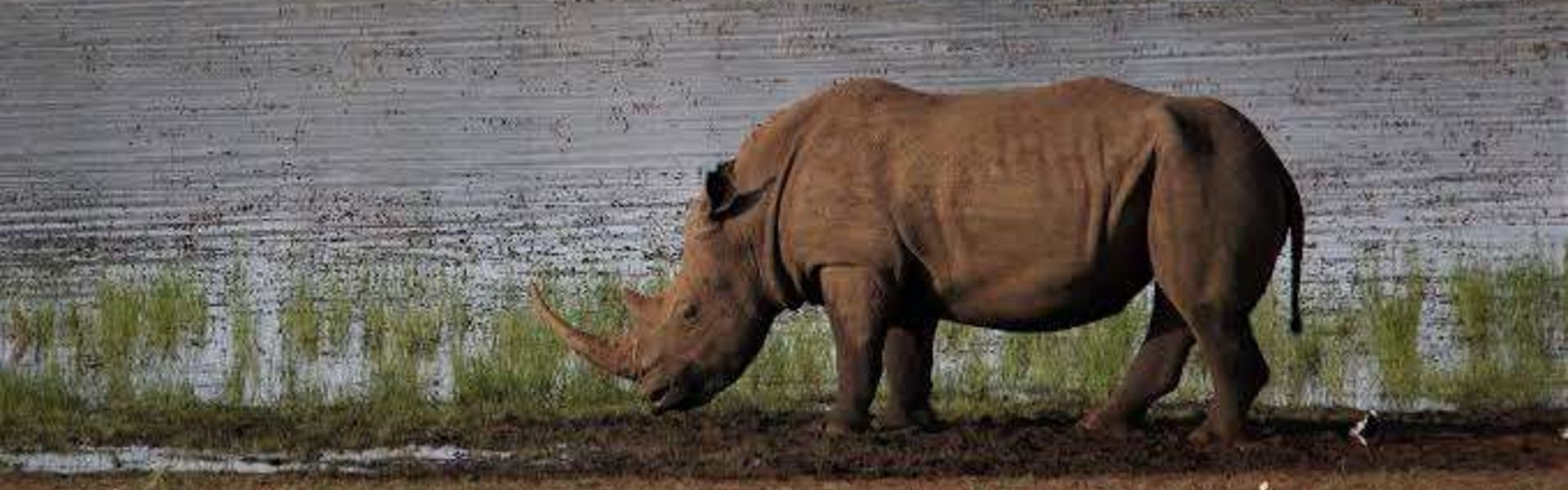
Kazuma Pan supports a diverse range of wildlife. Large mammals such as lions, leopards, giraffes, zebras, gemsbok, roan antelope, sable antelope, tsessebe, eland, and reedbuck roam the plains. Elephants and buffalo gather in significant numbers toward the end of the dry season, drawn by the permanent water sources. White rhinoceroses are also frequently seen, adding to the park’s conservation value.
A particularly notable species here is the oribi, a small antelope that is rare in Zimbabwe but thrives in Kazuma’s grasslands. Predators such as cheetahs and African wild dogs are present, though sightings are less common, while lions remain relatively abundant.
Birdlife is equally impressive, with storks, crowned cranes, stilts, cormorants, ducks, and kingfishers among the many species that inhabit the pans and wetlands. The seasonal flooding creates ideal conditions for water birds, making Kazuma Pan a rewarding destination for birdwatchers.
History
Kazuma Pan was first proclaimed a national park in 1949, but due to lack of development, it was deproclaimed in 1964. It later regained its national park status under the Parks and Wildlife Act of 1975. Despite its protected status, the park remains largely undeveloped, preserving its wilderness character.
Activities
Visitors to Kazuma Pan can enjoy:
Game Viewing: The open plains provide excellent visibility for spotting large mammals.
Birdwatching: Seasonal pans attract a wide variety of waterfowl and other bird species.
Camping: Two undeveloped campsites are available with permission from the Department of National Parks and Wildlife Management.
Photography: The wide horizons and seasonal wildlife migrations offer stunning photographic opportunities.
Best Time to Visit
The best time to visit Kazuma Pan is during the late dry season, from September to November, when wildlife congregates around the pans in large numbers. The wet season brings lush vegetation and abundant birdlife, though access may be more challenging.
Visitor Tips
Obtain permission in advance for camping, as facilities are minimal.
Carry sufficient supplies, as there are no lodges or developed infrastructure within the park.
Guided tours are recommended for safety and deeper insights into the park’s ecology.
Respect conservation rules, as Kazuma Pan is a fragile ecosystem.
Future Prospects
Kazuma Pan is considered for inclusion in the Kavango–Zambezi Transfrontier Conservation Area (KAZA TFCA), a five-nation initiative that would link it with other major parks and reserves in the region. This integration would enhance wildlife corridors and strengthen conservation efforts across Southern Africa.