

Ultimate Guide to Matobo Safari
Find Matobo Safari Tours from Verified Zimbabwe Operators
The Ultimate Guide to Matobo Safari
Matobo SafariMatobo National Park lies at the heart of the Matobo Hills, a dramatic landscape of granite kopjes and wooded valleys about 35 kilometers south of Bulawayo in southern Zimbabwe. Formed over two billion years ago, the granite has weathered into smooth domes known as “whaleback dwalas” and broken kopjes scattered with boulders. The name Matobo comes from an Isindebele expression meaning “bald heads,” a reference to the rounded granite formations. Covering 424 square kilometers of protected land within a larger 3,100 square kilometer area, the park is a UNESCO World Heritage Site recognized for its unique geology, biodiversity, and cultural heritage.
History
Established in 1926 as Rhodes Matopos National Park, it is the oldest national park in Zimbabwe. Cecil Rhodes bequeathed the land, and over time the park boundaries shifted to balance conservation with local settlement needs. In 2003, the Matobo Hills were inscribed as a UNESCO World Heritage Site for their distinctive rock formations and cultural significance. The park also incorporates Lake Matopos Recreational Park, adding further diversity to its landscapes and visitor experiences.
Wildlife
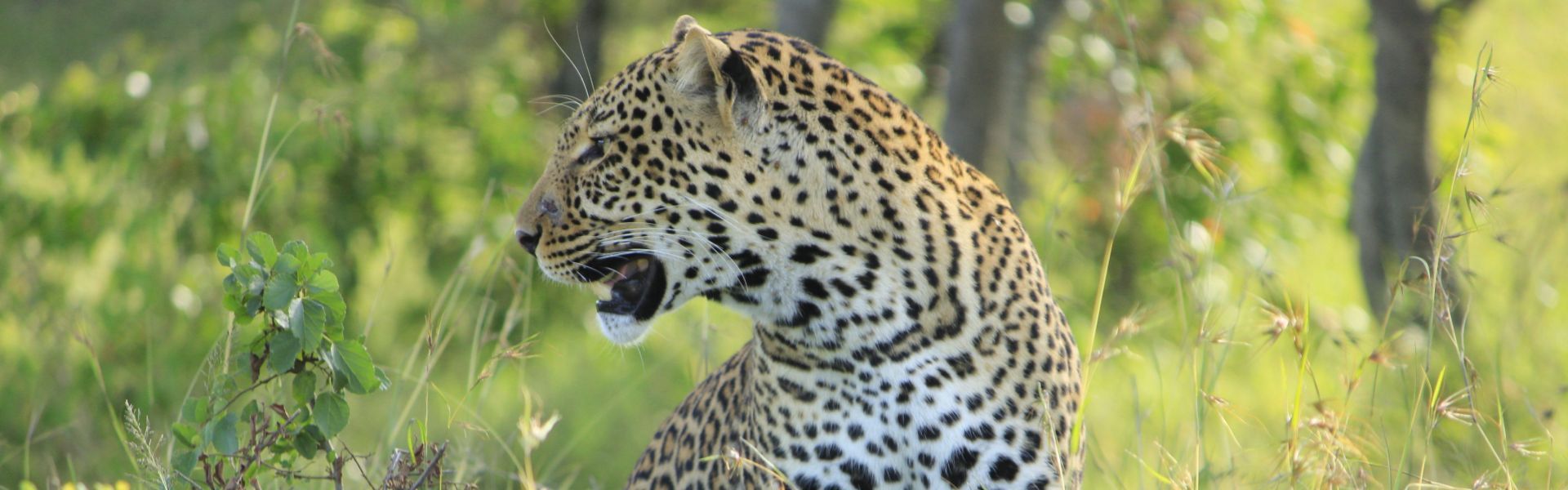
Matobo National Park is home to an impressive variety of fauna, including 88 mammal species, 175 bird species, and numerous reptiles and fish. It is particularly famous for having the world’s densest leopard population, supported by abundant hyrax, which form half of their diet. The game park in the west has been restocked with both white and black rhinos, making it an Intensive Protection Zone for these endangered species. Other animals include giraffes, zebras, wildebeests, ostriches, antelopes, and hippos.
The park also hosts the highest concentration of black eagles worldwide, with numerous breeding pairs. This makes it a premier destination for birdwatchers.
Flora & Fungi
Botanical diversity is high, with over 200 tree species such as mountain acacia, wild pear, and paperbark acacia. More than 100 grass species, aloes, and wild herbs thrive here, alongside rare endemic plants. Fungi also play a vital ecological role, recycling nutrients, enriching soil fertility, and supporting plant health. Some species are harvested by local communities, reflecting their cultural importance.
Geology
The Matobo Hills are part of the Matopos Batholith, composed entirely of granite. Weathering has created striking formations like the balancing rocks of Mother and Child Kopje. Between the granite domes lie swampy valleys known as dambos or vleis, which form the headwaters of rivers such as the Maleme, Mpopoma, and Thuli.
Archaeology & Culture
The hills are rich in archaeological and cultural heritage. Over 3,000 registered rock art sites showcase San (Bushmen) paintings dating back nearly 2,000 years, depicting animals like elephants, giraffes, and warthogs. Sites such as Bambata, Inanke, Nswatugi, and Pomongwe Caves reveal artifacts from the Stone Age and Iron Age, including tools, hearths, and ancient furnaces.
The hills also hold deep spiritual significance for the Shona and Ndebele peoples, serving as a center for rituals and the oracle Mlimo. They were pivotal during the First Chimurenga (1896), when Cecil Rhodes negotiated peace with Ndebele leaders here. Rhodes himself, along with other colonial figures, is buried at Malindidzimu, “the hill of the spirits,” a site still considered sacred and controversial today.
Activities
Visitors to Matobo National Park can enjoy:
Game Viewing: The Whovi Game Park offers sightings of rhinos, antelopes, giraffes, zebras, and occasionally leopards.
Hiking: Trails range from short walks near Maleme Dam to longer treks to Inanke Cave or Nyahwe Mountain.
Horse Riding: Guided trails explore scenic valleys and game areas.
Fishing & Boating: Dams such as Maleme and Toghwana provide opportunities for tilapia and bass fishing, as well as boating.
Cultural Tours: Explore ancient rock art and historical sites like Rhodes’ grave and the Shangani Patrol memorial.
Accommodation
The main hub is Maleme Rest Camp, offering lodges, chalets, and camping facilities. Other camps include Mtsheleli, Mwesilume, Toghwana, Arboretum, Sandy Spruit, and Lake Matopos camps. Privately operated lodges such as Big Cave Camp and Camp Amalinda provide more luxurious options. Scout and Guide associations also maintain camps in the area.
Best Time to Visit
The dry season (May-October) is ideal for game viewing, as animals gather near water sources. The wet season (November-April) brings lush vegetation and vibrant birdlife, perfect for hiking and photography.
Visitor Tips
Guided hikes and game drives are recommended for safety and deeper insights.
Carry binoculars for birdwatching, as the park is a hotspot for raptors.
Respect cultural sites, as many are sacred to local communities.
Four-wheel drive vehicles may be necessary during the rainy season for access to remote areas.