
Ultimate Guide to Kafue Safari
Find Kafue Safari Tours from Verified Zambia Operators
The Ultimate Guide to Kafue Safari
Kafue SafariKafue National Park is Zambia’s largest protected area and the second largest national park in Africa, covering about 22,400 km² (8,600 sq mi). Named after the Kafue River, the park stretches across North Western, Central, and Southern Provinces, making it a vast mosaic of ecosystems. It is home to an astonishing 152 mammal species, 515 bird species, 70 reptiles, 58 fish species, and 36 amphibians, making it one of Africa’s richest biodiversity hotspots.
Established in the 1950s by conservationist Norman Carr, Kafue has grown into a cornerstone of Zambia’s tourism and conservation efforts. Despite challenges from poaching and human pressures, recent partnerships with African Parks have revitalized protection and infrastructure, ensuring its future as a premier safari destination.
Geography & Climate
The park’s terrain is mostly flat or gently undulating, punctuated by granite hills and sandstone outcrops. The Hook granite massif dominates the central region, while floodplains stretch across the north. Soils vary from sandy Kalahari types to fertile clays along rivers.
Rainfall ranges from 510 mm in the south to over 1,020 mm in the north, with a dry season from June to October. Temperatures average 21 °C, with October being the hottest month. The Kafue River and its tributaries Lufupa, Lunga, Luansanza, and Musa sustain wetlands, swamps, and grasslands, including the famous Busanga Plains.
Habitats & Flora
Miombo woodlands dominate, with semi-deciduous trees like Brachystegia and Julbernardia.
Evergreen forests of teak and mopane occur in the south and centre.
Termite mounds, some thousands of years old, host unique flora such as the candelabra tree and jackalberry.
Busanga Plains in the northwest are seasonally flooded grasslands, vital for antelope and waterbirds.
Aquatic plants like Vossia cuspidata form mats in rivers, while invasive species such as Mimosa pigra threaten crane habitats.
Fauna
Kafue is a paradise for wildlife enthusiasts:
Antelope diversity: 21 species including puku, sitatunga, sable, roan, wildebeest, hartebeest, and duikers. The Kafue lechwe, once extirpated, was successfully reintroduced in 2025.
Elephants: Around 4,800 African bush elephants roam the park.
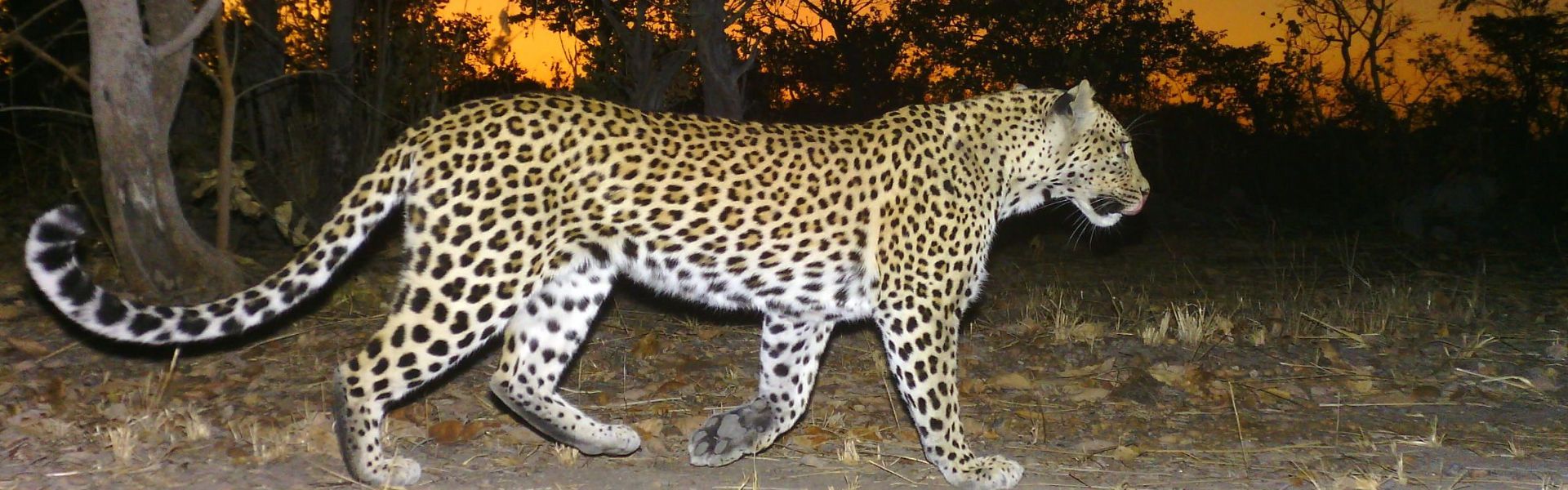
Predators: Over 200 lions, Zambia’s largest cheetah population, healthy leopards, and strongholds of African wild dogs. Other carnivores include servals, caracals, jackals, mongooses, and civets.
Aquatic life: Hippos and some of southern Africa’s largest Nile crocodiles thrive in rivers.
Birds: Over 500 species, including Zambia’s endemic Chaplin’s barbet, wattled cranes, grey crowned cranes, Pel’s fishing owl, bee-eaters, and colonies of African skimmers.
Fish: Tilapia, catfish, and kapenta (introduced in Lake Itezhi-Tezhi) support local fisheries.
Conservation
Kafue is buffered by nine Game Management Areas, but poaching and bushmeat demand remain threats. Since 2021, African Parks has partnered with Zambia’s government to strengthen protection, creating jobs, improving law enforcement, and restoring infrastructure. Investments include new ranger bases, road grading, and community engagement programs.
This partnership has transformed Kafue into a model of modern conservation, balancing ecological protection with local livelihoods.
Activities
Visitors to Kafue National Park can enjoy:
Game Drives & Safaris: Spot lions, cheetahs, elephants, and antelope across diverse habitats.
Birdwatching: Explore wetlands and woodlands for rare and endemic species.
Walking Safaris: Experience miombo woodlands and plains up close.
Boat Safaris: Cruise the Kafue River for hippos, crocodiles, and waterbirds.
Photography: Capture dramatic landscapes, termite mounds, and wildlife spectacles.
Fishing: Try local species in rivers and Lake Itezhi-Tezhi.
Visitor Tips
Access is via the Lusaka–Mongu Road, with seasonal dirt tracks from Kalomo, Namwala, and Kasempa.
The Ngoma headquarters in the south and Chunga in the north are main entry points.
Lodges are concentrated in the north, while the Busanga Plains offer premier safari experiences.
Visit during the dry season (June–October) for best wildlife viewing, though wet season brings lush scenery and bird migrations.
Travel with a guide wildlife is abundant but the park’s vastness requires expertise.