
Ultimate Guide to Kavango Safari
Find Kavango Safari Tours from Verified Zambia Operators
The Ultimate Guide to Kavango Safari
Kavango SafariThe Kavango–Zambezi Transfrontier Conservation Area (KAZA TFCA) is the second-largest conservation landscape in the world, spanning about 520,000 km² (200,000 sq mi) across five Southern African countries: Angola, Botswana, Namibia, Zambia, and Zimbabwe. At its heart lies the dramatic confluence of the Zambezi and Chobe Rivers, where four countries meet.
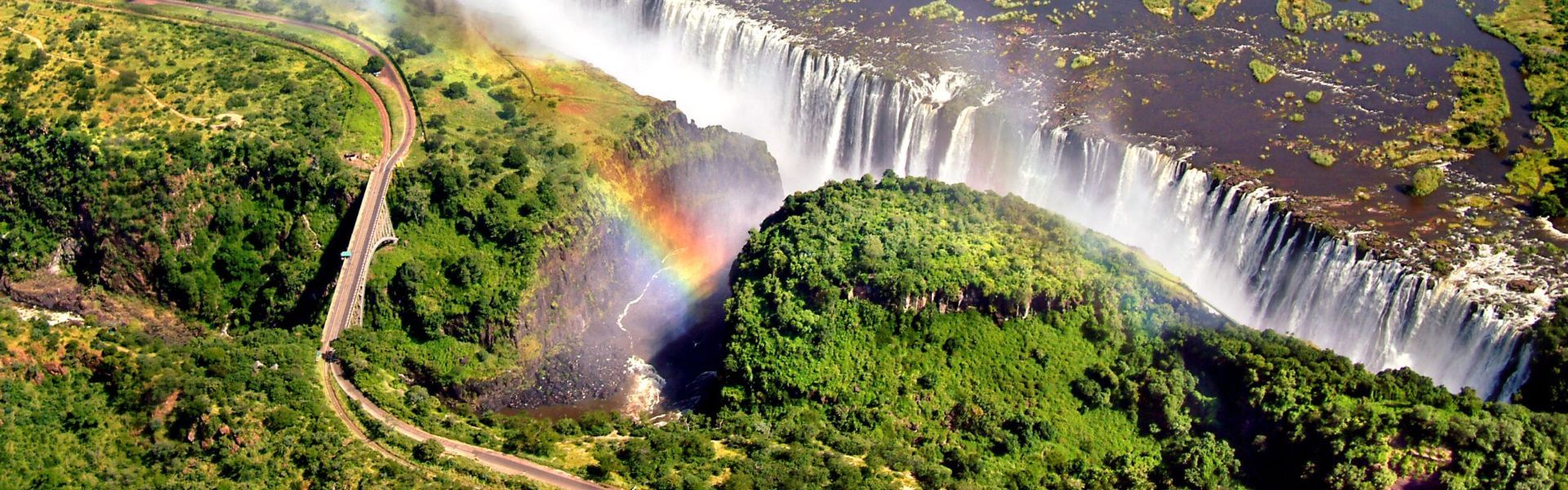
KAZA incorporates some of Africa’s most iconic sites-Chobe National Park, Hwange National Park, the Okavango Delta, and Victoria Falls-and is home to the world’s largest population of African elephants (around 250,000 individuals). It is a living example of how cross-border cooperation can protect ecosystems while promoting tourism and community development.
History
The idea of KAZA was inspired by earlier regional initiatives like the Okavango–Upper Zambezi International Tourism Initiative and the Four Corners Transboundary Natural Resource Management Project. In 2003, ministers from the five countries met in Katima Mulilo, Namibia, to discuss the project.
By 2006, the Southern African Development Community (SADC) endorsed KAZA as a regional project, and later that year the countries signed a memorandum of understanding at Victoria Falls. The official treaty was signed in 2011, and the area was formally opened in 2012.
Funding and support come from international partners including KfW Development Bank, the German government, the World Bank, the Netherlands, and Sweden. In 2014, Zambia and Zimbabwe introduced a KAZA visa, allowing tourists to move freely across borders within the conservation area.
Geography & Components
KAZA covers diverse landscapes:
17% in Angola – southeastern wilderness areas.
30% in Botswana – including the Okavango Delta and Chobe.
14% in Namibia – notably the Caprivi Strip.
25% in Zambia – including parts of the Upper Zambezi basin.
14% in Zimbabwe – including Hwange and Victoria Falls.
Of the total land, 287,000 km² consists of pre-existing protected areas, now unified under the KAZA framework. Together, they form a vast ecological corridor supporting wildlife migrations and sustainable tourism.
Wildlife
KAZA is a stronghold for Africa’s megafauna:
Elephants: The largest population in the world.
Predators: Lions, leopards, cheetahs, and African wild dogs roam freely across borders.
Herbivores: Buffalo, giraffes, zebras, sable, roan, and numerous antelope species.
Birdlife: Hundreds of species thrive in wetlands, savannahs, and forests, including raptors, cranes, and waterbirds.
The transboundary nature of KAZA allows animals to follow ancient migration routes, ensuring genetic diversity and ecological resilience.
Activities
Visitors to KAZA TFCA can enjoy:
Safari Adventures: Explore Chobe, Hwange, or the Okavango Delta.
Victoria Falls: Witness one of the world’s greatest natural wonders.
River Cruises: Experience the Zambezi and Chobe rivers at sunset.
Birdwatching: Spot rare species across wetlands and floodplains.
Cultural Encounters: Engage with communities across five countries.
Cross-Border Exploration: Use the KAZA visa to move seamlessly between Zambia and Zimbabwe.
Visitor Tips
Plan multi-country itineraries-KAZA is designed for cross-border safaris.
Best time to visit: Dry season (May–October) for wildlife viewing, though wet season offers lush scenery and bird migrations.
Carry the KAZA visa if traveling between Zambia and Zimbabwe.
Support community-based tourism projects-local involvement is key to conservation.
Combine iconic sites: Victoria Falls, Okavango Delta, Chobe River, and Hwange for a complete KAZA experience.