
Ultimate Guide to Nsumbu Safari
Find Nsumbu Safari Tours from Verified Zambia Operators
The Ultimate Guide to Nsumbu Safari
Nsumbu SafariNsumbu National Park (also called Sumbu) lies on the southwestern shore of Lake Tanganyika, near its southern extremity, in Zambia’s Northern Province. Covering about 2,000 square kilometers, the park stretches across plateau landscapes, escarpments, sandy bays, and wetlands. Established as a game reserve in the 1940s and upgraded to a national park in 1985, Nsumbu was once considered one of Zambia’s finest wildlife reserves, alongside South Luangwa and Kafue, with elephants and lions being common. Its isolation, initially accessible only by boat, gave it a unique wilderness character.
Ecology
The park’s geography is diverse, ranging from lake shore escarpments, rocky headlands, sandy beaches, and river valleys in the northeast, to flat woodlands and wetlands stretching westward toward Lake Mweru Wantipa. The Lufubu River Valley, with its dramatic escarpments and floodplains, is one of the park’s most prominent features. Vegetation zones include Central Zambesian miombo woodland, wetlands and dambos, Lake Tanganyika aquatic habitats, and the rare Itigi–Sumbu thicket, a dense, impenetrable vegetation type found only here, northern Lake Mweru Wantipa, and one location in Tanzania.
Fauna
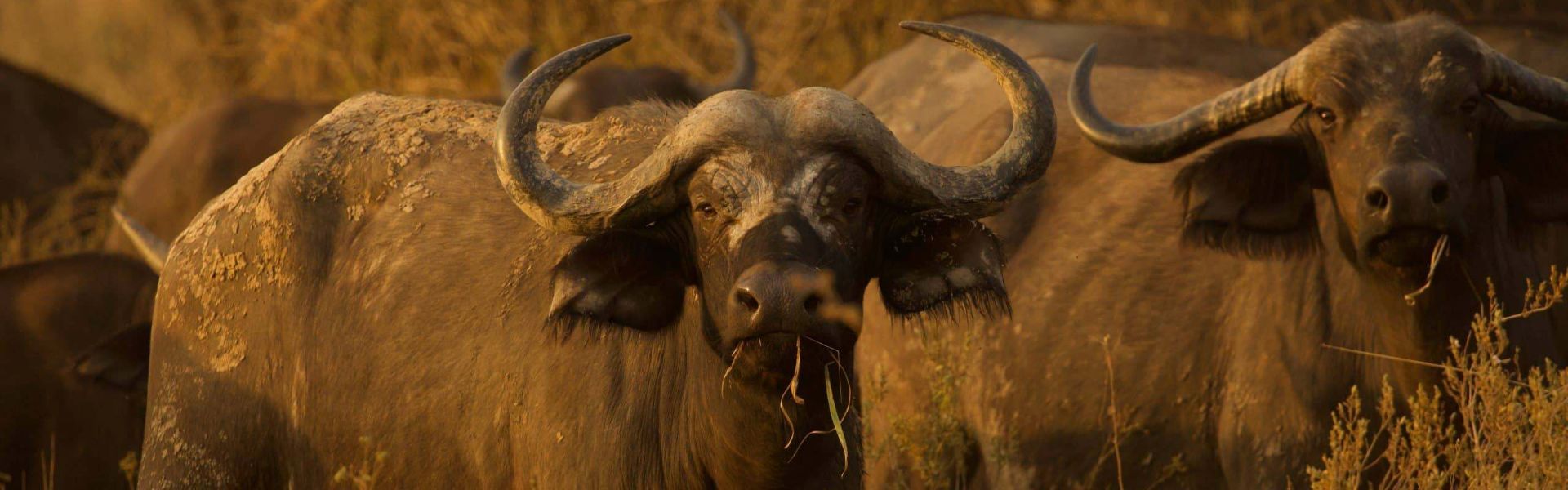
Nsumbu supports a wide range of wildlife. Mammals include hippopotamus, Nile crocodile, bushbuck, warthog, puku, roan antelope, sable, eland, hartebeest, buffalo, zebra, hyena, jackal, serval, impala, reedbuck, waterbuck, elephants, and leopards. Rare species such as blue duiker and sitatunga occur in specialized habitats. Lions, once extinct in the park, were successfully reintroduced in 2024. Birdlife is rich, with species such as flamingos, African skimmers, spoonbills, storks, herons, gulls, terns, fish eagles, and Pel’s fishing owl. The lake habitats support fish including Nile perch, goliath tigerfish, vundu catfish, lake salmon, nkupi, and golden perch.
Conservation & Threats
The park suffered severe decline in the 1980s and 1990s, with wildlife populations, facilities, and visitor numbers collapsing due to lack of funding and poaching, worsened by conflict in neighboring Congo. Since 2017, the Nsumbu Tanganyika Conservation Project (NTCP), a partnership between Zambia’s Department of National Parks and Wildlife and the Frankfurt Zoological Society, has revitalized conservation. Thousands of snares were removed, poachers arrested, and patrols expanded. Wildlife reintroductions followed, including buffalo, zebra, and lions. No elephants have been poached since 2018, marking a major conservation success.
Surrounding Areas
Nsumbu forms part of the Mweru Wantipa–Tanganyika ecological region, stretching 150 km from Lake Tanganyika to the hills northeast of Lake Mweru. It is connected to surrounding reserves and game management areas, including Kaputa Game Management Area and Tondwe Game Reserve to the west. Together, these areas create a broader conservation corridor linking wetlands, woodlands, and lake habitats.
Activities
Visitors to Nsumbu can enjoy a variety of experiences:
Boat Safaris – unique to Nsumbu, offering close encounters with hippos, crocodiles, and birdlife along Lake Tanganyika.
Walking Safaris – guided treks through valleys and thickets, with opportunities to spot antelope and rare species.
Game Drives – exploring wetlands, miombo woodlands, and escarpments.
Fishing & Angling – recreational fishing in Lake Tanganyika, including the annual Tanganyika Angling Challenge.
Birdwatching – prime habitats for raptors, waterbirds, and forest species.
Best Time to Visit
The dry season (May to October) is the best time to visit, as wildlife congregates near rivers and lake shores, and roads are more accessible. The wet season brings lush vegetation, vibrant birdlife, and dramatic lake scenery, though flooding and muddy tracks can make travel more difficult.
Visitor Tips
Access is possible by road (170 km gravel track from Mporokoso), boat (from Mpulungu Harbour), or air (Chisala Airstrip and Nkamba Bay Lodge airstrip).
Accommodation includes Nkamba Bay Lodge within the park, and lodges in Nsumbu town and nearby resorts.
Book safaris and boat trips in advance, as facilities are limited.
Respect conservation rules, especially regarding fishing and wildlife protection.