
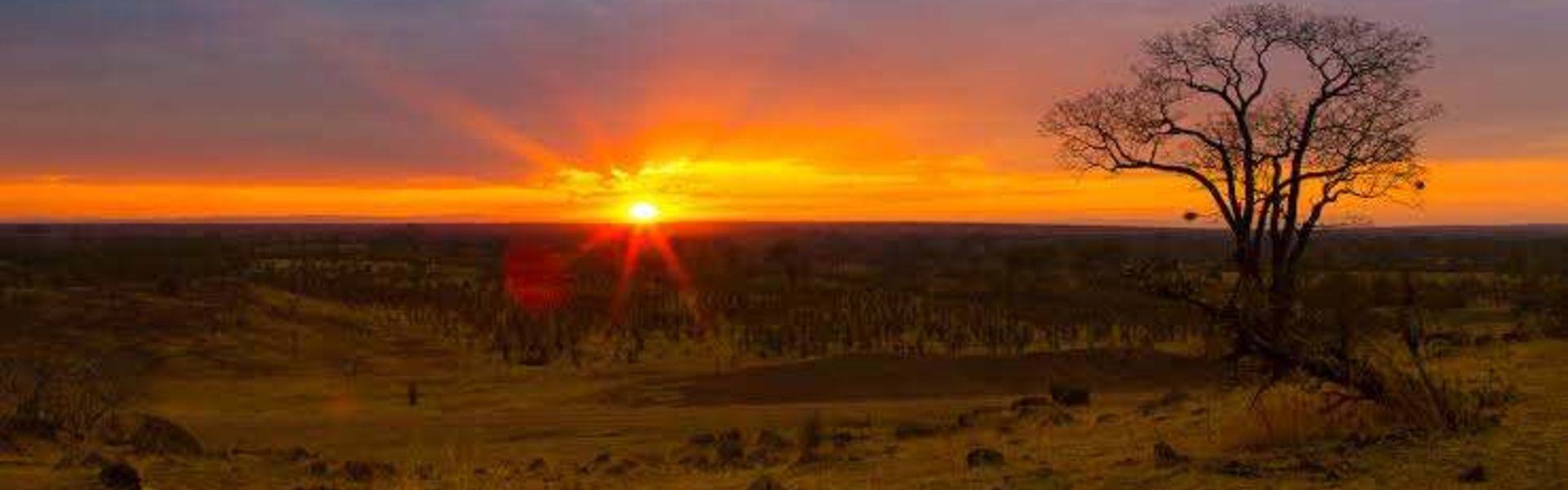

Ultimate Guide to Lukusuzi Safari
Find Lukusuzi Safari Tours from Verified Zambia Operators
The Ultimate Guide to Lukusuzi Safari
Lukusuzi SafariLukusuzi National Park in Zambia’s Eastern Province is a rugged, remote wilderness of about 2,720 km², famous for its escarpments, miombo woodlands, and its role as a sanctuary for endangered African wild dogs. Despite its ecological importance, it remains one of Zambia’s least-visited parks, offering a pristine, off-the-beaten-path experience.
Geography & Landscape
Location: Eastern Province, Zambia, east of South Luangwa National Park, on the plateau above the Luangwa Valley escarpment.
Area: ~2,720 km², gazetted in 1972.
Terrain: Rugged escarpments plunging over 1,000 m into the Luangwa Valley, rocky hills, broad valleys, and miombo woodland. The Lukusuzi River flows through, providing permanent water.
Geology: The park sits at the boundary between ancient Precambrian plateau rocks and Karoo rift valley sediments, forming one of East-Central Africa’s most striking geological fault scarps.
Habitats & Flora
Miombo woodlands dominate, with Brachystegia and Julbernardia trees adapted to fire and nutrient-poor soils.
Escarpment vegetation: Transitional zones with rocky outcrops, shrubland, and Terminalia-Combretum woodland.
Riverine forests: Ebony, fig, and shade trees along the Lukusuzi River.
Seasonal dambos (grasslands) provide grazing and support high biodiversity.
Wildlife
Predators: Leopards, spotted hyenas, and lions (rare). Lukusuzi is a stronghold for African wild dogs, one of Africa’s most endangered carnivores.
Large mammals: Elephants, buffalo, zebras, hartebeest, sable, and roan antelope.
Antelope species: Greater kudu, eland, bushbuck, reedbuck, oribi, and duiker.
Birdlife: Over 300–370 species, including miombo specialists like racquet-tailed rollers, crested guinea fowl, African fish eagles, and brown-hooded kingfishers.
Unique habitats: Granite outcrops shelter klipspringers and dassies.
Conservation & Management
Challenges: Historical poaching, lack of infrastructure, and limited management capacity. Wildlife densities remain uncertain.
Efforts: Anti-poaching patrols, community engagement, and partnerships with conservation NGOs. Lukusuzi is part of the Malawi-Zambia Transfrontier Conservation Area, connecting it to Kasungu National Park in Malawi, ensuring genetic diversity and wildlife corridors.
Community role: Local populations are being engaged in conservation education and sustainable livelihoods to reduce pressure on wildlife.
Tourism
Access: Remote and rugged; nearest towns are Lundazi (75 km) and Chipata (130 km).
Facilities: Minimal-basic camping only. No lodges or paved roads, making it ideal for adventurous travelers.
Activities: Guided nature walks, birdwatching, self-driven safaris, and photography of escarpments and wild dog packs.
Key Takeaways
Hidden gem: Lukusuzi is one of Zambia’s least-developed but most ecologically significant parks.
Wild dog sanctuary: A critical refuge for endangered African wild dogs.
Adventure destination: Remote, rugged, and ideal for eco-tourists seeking solitude and authentic wilderness.
Conservation priority: Part of a transfrontier ecosystem linking Zambia and Malawi, vital for regional biodiversity.