
Ultimate Guide to South Luangwa Safari
Find South Luangwa Safari Tours from Verified Zambia Operators
The Ultimate Guide to South Luangwa Safari
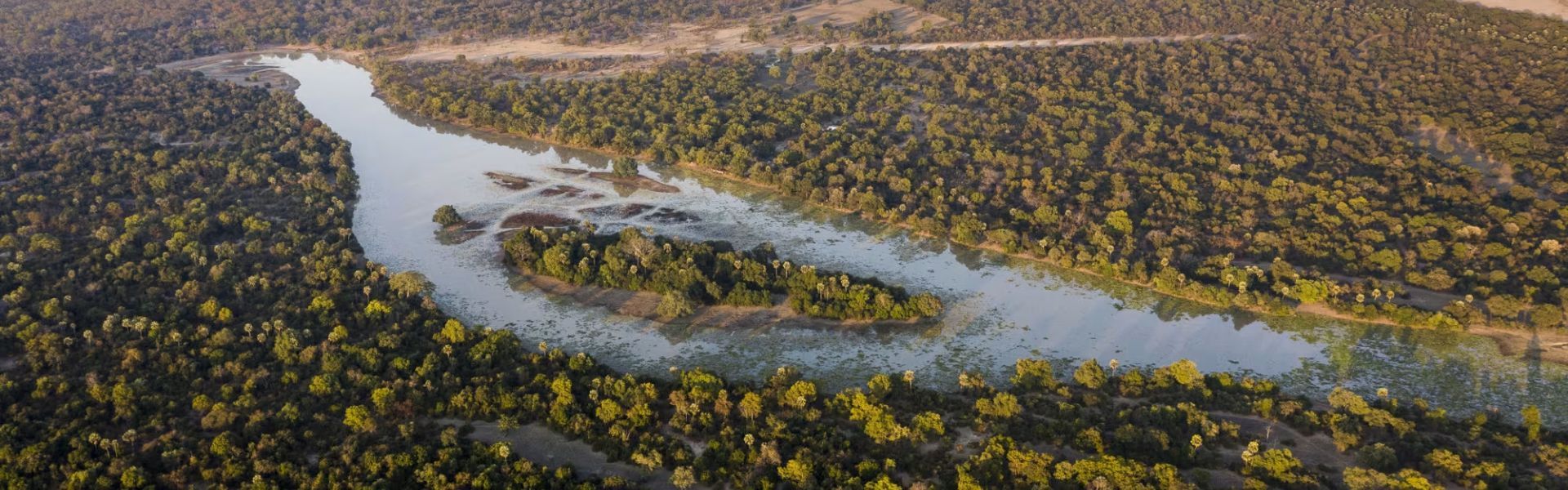
South Luangwa SafariSouth Luangwa National Park, located in eastern Zambia, is one of Africa’s most renowned wildlife sanctuaries. Covering 9,050 square kilometers (3,490 sq mi), it lies within the Luangwa Valley, with the Luangwa River forming its eastern boundary and the Muchinga Escarpment rising steeply to the west. Established first as a game reserve in 1938 and upgraded to a national park in 1972, it is celebrated for its extraordinary biodiversity, dramatic landscapes, and pioneering role in photographic and walking safaris. The valley itself marks the southern end of the East African Rift, creating a unique ecological setting.
History
The origins of South Luangwa trace back to 1904, when the area was designated as the Luangwa Game Reserve. Later, British conservationist Norman Carr revolutionized safari tourism here in the 1950s, introducing the concept of photographic and walking safaris. Unlike traditional hunting expeditions, visitors shot with cameras instead of rifles, and profits were reinvested into local communities. This innovative model made South Luangwa the birthplace of community-based conservation tourism in Zambia.
Ecology
The park spans two major woodland savannah ecoregions. The Southern Miombo woodlands dominate the higher slopes, while Zambezian and Mopane woodlands cover the valley floor. Mopane trees thrive in hotter, drier conditions, while miombo supports cooler upland habitats. Interspersed among these woodlands are grasslands and floodplains, creating diverse feeding grounds for grazers like zebra and browsers like giraffe.
The Luangwa River and its lagoons sustain rich floodplain ecosystems. Hippopotamuses graze at night on floodplain grasses, and their dung fertilizes the river, supporting fish populations that in turn sustain crocodiles. This nutrient cycle is a hallmark of the valley’s ecological balance.
Biodiversity
South Luangwa is home to more than 400 bird species and over 60 mammal species. Iconic wildlife includes Rhodesian giraffe, African bush elephant, African buffalo, Cookson’s wildebeest, and Crawshay’s zebra, the latter two being near-endemic to the Luangwa Valley. Predators such as lions, leopards, spotted hyenas, and African wild dogs thrive here, with leopard densities among the highest recorded in southern Africa.
The Nsefu Sector, in the northern part of the park, is especially rich in biodiversity. It features riverine forests, ebony groves, mopane woodlands, geothermal springs, and floodplains, supporting stable populations of large carnivores.
Conservation & Threats
South Luangwa has generally been well-protected compared to other parks, but challenges remain. Black rhinoceroses were extirpated by 1987, and elephant populations have faced heavy poaching pressure at times. Since 2005, South Luangwa, together with North Luangwa National Park, has been recognized as a Lion Conservation Unit, underscoring its importance for predator conservation.
Community engagement, traditional custodianship, and tourism revenue continue to play vital roles in sustaining conservation efforts.
Surrounding Areas
The park is part of the broader Luangwa Valley ecosystem, which extends westward into the Lunsemfwa River Valley. This valley acts as a natural barrier to human migration and transport, helping preserve wildlife. The main settlement near the park is Mfuwe, located just outside its eastern boundary. Mfuwe hosts an airport with flights to Lusaka, Lower Zambezi, and Lilongwe (Malawi), making South Luangwa accessible to international visitors.
Activities
Visitors to South Luangwa can enjoy:
Walking Safaris – pioneered here, offering intimate encounters with wildlife.
Game Drives – exploring floodplains, woodlands, and lagoons.
Birdwatching – over 400 species, including raptors, waterbirds, and woodland specialists.
Photography – dramatic landscapes, predator-prey interactions, and river scenes.
Community Tourism – lodges and camps often reinvest profits into local villages.
Best Time to Visit
The dry season (May to October) is the prime time for wildlife viewing, as animals gather around rivers and lagoons. The wet season (November to April) transforms the valley into lush greenery, with vibrant birdlife and dramatic scenery, though access can be more challenging.
Visitor Tips
Book walking safaris in advance, as they are the park’s signature experience.
Carry binoculars and cameras to capture birdlife and predator sightings.
Stay in lodges or camps near Mfuwe, which provide easy access to the park.
Respect conservation rules, especially regarding elephants and predator protection.
Combine a visit with North Luangwa for a broader Luangwa Valley experience.