

Ultimate Guide to West Lunga Safari
Find West Lunga Safari Tours from Verified Zambia Operators
The Ultimate Guide to West Lunga Safari
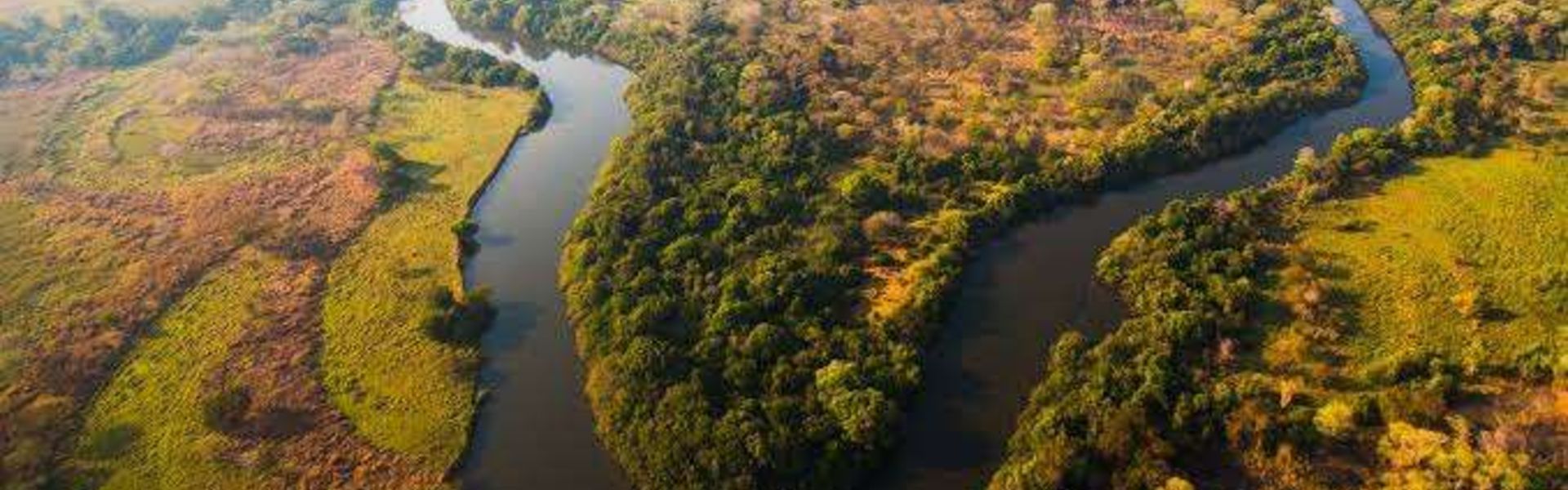
West Lunga SafariWest Lunga National Park, located in Northwestern Province of Zambia, is one of the country’s most remote and least visited protected areas. Covering about 1,700 square kilometers, it lies between the West Lunga River and the Kabompo River, north of the M8 road linking Solwezi to Kabompo. Established originally as a game reserve in the 1940s to protect the yellow-backed duiker, it remains Zambia’s only national park dominated by dense forest. Its isolation, limited access, and lack of facilities have kept visitor numbers low, making it one of the wildest and most untouched parks in the country.
Ecology
West Lunga is unique as the only Zambian park covered primarily by forest and woodland ecosystems. It belongs to the rare Cryptosepalum dry forests ecoregion, locally known as mukwe, which forms the largest evergreen forest in Africa outside the equatorial zone. These forests are dense, with closed canopies, and support specialized species. The park also contains seasonally flooded grass valleys (dambos), open grasslands, chipya woodlands, and papyrus swamps, creating a mosaic of habitats. Rainfall is high, exceeding 1,000 mm annually, but sandy soils mean surface water is scarce outside rivers and lagoons.
Conservation & Threats
For decades, West Lunga lacked protection, leading to heavy poaching and the loss of large predators such as lions, leopards, and buffalo. In 2014, the West Lunga Conservation Project (WLCP) was launched by the Department of National Parks and Wildlife in partnership with the Trident Foundation, a nonprofit supported by First Quantum Minerals. This initiative focused on habitat protection, anti-poaching patrols, and species restoration. By 2016, the West Lunga Trust was established, employing local communities through a Community Resource Board (CRB) to manage conservation efforts.
Wildlife
Despite past declines, West Lunga still supports a variety of species. Smaller forest mammals such as duikers, bushpigs, vervet monkeys, thick-tailed bushbabies, and yellow baboons are common. Larger animals include puku, hippopotamus, Nile crocodile, buffalo, roan antelope, sable antelope, Lichtenstein’s hartebeest, impala, warthog, side-striped jackal, and elephants. Conservation projects have reintroduced impala and continue to protect rare species such as the tree pangolin.
Birdlife
West Lunga is famous among ornithologists for its rare and debated species, the white-chested tinkerbird, first recorded in 1964. Some scientists argue it may not be distinct from the yellow-rumped tinkerbird, but the debate continues. Other bird species include guinea fowl, shrikes, drongos, and purple-throated cuckoo-shrikes, making the park an important birding destination for specialists.
Surrounding Areas
The park lies within Mwinilunga District, one of Zambia’s least densely populated regions. Rural communities live sparsely along riverbanks, with population densities as low as 0.8 people per square kilometer near the West Lunga River. The remoteness of the area has helped preserve its forests but also limited tourism development. Access is via the M8 road, with the park entrance at Jivundu village, reached by dirt tracks.
Activities
Tourism in West Lunga is minimal, but adventurous visitors can enjoy:
Camping – self-camping is the only option within the park.
Walking Safaris – exploring forest trails and dambos with local guides.
Birdwatching – rare and endemic species attract ornithologists.
Community Tourism – the Kafunfula Community Camp at Churu in the Musele GMA offers cultural experiences and guided tours.
Best Time to Visit
The dry season (May to October) is the best time to visit, as bush tracks are more accessible for 4WD vehicles. The wet season (November to April) brings lush vegetation and birdlife, but sandy soils and flooding make travel more difficult.
Visitor Tips
Access requires a 4WD vehicle; tracks can be sandy and difficult even in the dry season.
Facilities are extremely limited bring camping gear, food, and supplies.
Entry is at the Jivundu Pontoon, near the Department of National Parks and Wildlife office.
Respect conservation rules, as the park is fragile and recovering from decades of poaching.