

Ultimate Guide to Lavushi Manda Safari
Find Lavushi Manda Safari Tours from Verified Zambia Operators
The Ultimate Guide to Lavushi Manda Safari
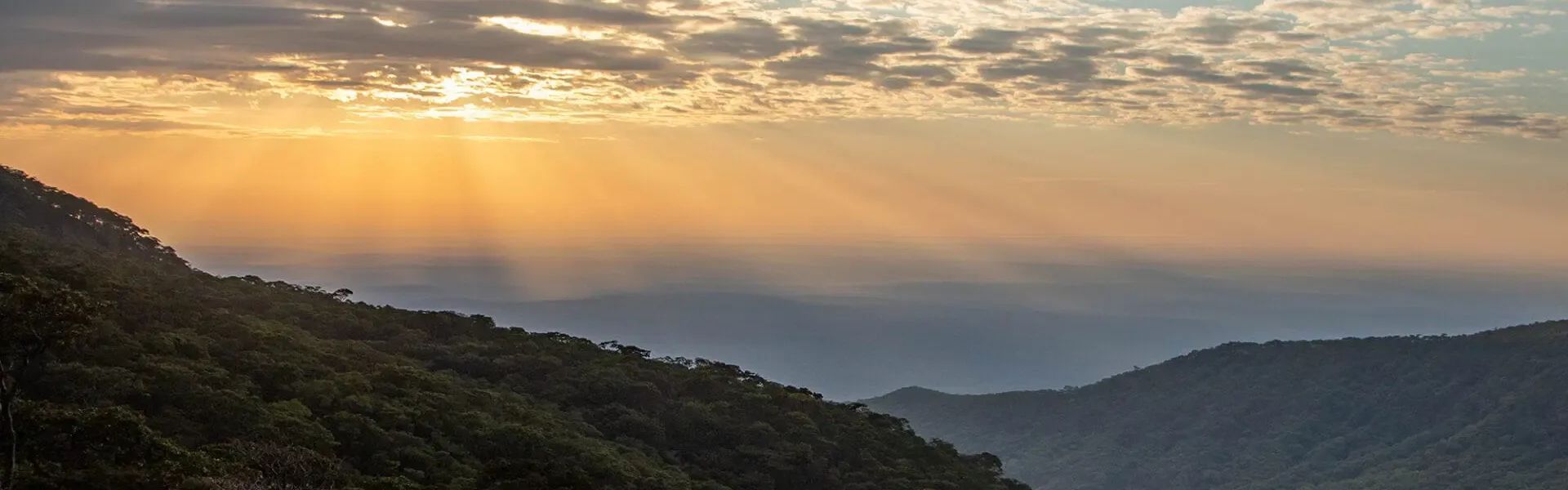
Lavushi Manda SafariLavushi Manda National Park lies in Muchinga Province, Zambia, covering about 1,500 km². It is the 11th largest national park in Zambia, gazetted first as a game reserve in 1941 and declared a national park in 1972. The park is named after the Lavushi Mountains, a rugged quartzite range stretching nearly 47 km, rising to 1,811 m, one of Zambia’s highest points.
The park is dominated by miombo woodlands, interspersed with seasonally wet dambos, rivers, and rocky plains. Despite heavy poaching in the past, Lavushi Manda remains a striking wilderness, offering opportunities for hiking, fishing, birdwatching, and kayaking. It is also a refuge for antelope migrating upland from the Bangweulu swamps during the rainy season.
Geography & Landscape
Lavushi Manda sits between the Muchinga Escarpment and the Bangweulu floodplain, creating a varied landscape of mountains, valleys, and wetlands. Key rivers include the Lulimala, Lukulu, Lumbatwa, and Mufubushi, all flowing into Lake Bangweulu.
Waterfalls such as Kapanda Lupili, Mumba Tuta, and Kanyanga add scenic highlights, while seasonal lakes like Lake Mikonko and the Chibembe plain retain water well into the dry season. Evergreen riparian forests line rivers, while bog grasslands near the mountains remain wet year-round.
Ecology
Flora
The park is rich in miombo species like Brachystegia and Julbernardia. Riparian forests feature raphia palms, absent in nearby Kasanka. Rare plants such as Hibiscus meeusei and Agarista salicifolia have been recorded at higher altitudes.
Fauna
Poaching decimated large mammals, but species like warthog, duiker, bushbuck, sable, roan, hartebeest, reedbuck, and serval are still present. Camera traps in 2017 recorded aardvark, civet, leopard, and bush pig. Puku antelope relocated from Kasanka have begun to establish populations here.
Primates include vervets and yellow baboons, while rocky habitats host klipspringers, dassies, and red rock rabbits. Hippos and crocodiles inhabit the Lukulu River.
Birds
Lavushi Manda is an Important Bird Area, with miombo specialists like racquet-tailed roller, Böhm’s bee-eater, Anchieta’s barbet, and miombo rock-thrush. Grasslands support Stanley’s bustard, widowbirds, and locustfinch, while riparian forests host Pel’s fishing owl, turacos, and palm-nut vultures. Migratory species such as collared flycatchers winter here.
Reptiles, Amphibians & Fish
Species include Nile crocodiles, skinks, chameleons, frogs, and snakes. The rivers support sportfish like yellowfish (Labeobarbus), breams, and catfish, making Lavushi Manda popular for catch-and-release angling.
Conservation & Management
By the 2000s, poaching had nearly wiped out large mammals. In 2011, the Kasanka Trust extended operations here, building infrastructure and combating poaching with support from the World Bank. Despite challenges, illegal settlers were evicted by 2016, and patrols by DNPW and community scouts have reduced poaching.
Fire management is conducted early in the dry season to prevent destructive late fires. Still, funding and staffing remain limited, and wildlife populations are fragile.
Activities
Visitors to Lavushi Manda National Park can enjoy:
Hiking: Trek to the summit of Lavushi Mountain (2.5 hours).
Fishing & Kayaking: Catch-and-release angling in the Lukulu River.
Birdwatching: Spot miombo specialists, raptors, and migratory species.
Wildlife Viewing: Look for sable, roan, puku, and elusive predators.
Photography: Capture waterfalls, rocky landscapes, and diverse habitats.
Visitor Tips
Entry fees are modest: about US$5 for international visitors, camping US$15 per person per night.
Campsites include Mumba Tuta, Kapanda Lupili, and Peak, with Meru-style tents at Linda Camp.
Hiking is allowed unaccompanied, but caution is advised near rivers due to hippos and crocodiles.
Best time to visit: Dry season (May–October) for hiking and wildlife, though wet season brings lush scenery and antelope migrations.
Facilities are basic-bring supplies and expect a rustic experience.