
Ultimate Guide to Lochinvar Safari
Find Lochinvar Safari Tours from Verified Zambia Operators
The Ultimate Guide to Lochinvar Safari
Lochinvar SafariLochinvar National Park lies on the southern side of the Kafue River, southwest of Lusaka, Zambia. Covering about 428 km², the park protects a large portion of the southern Kafue Flats floodplain, including the Chunga Lagoon, as well as drier woodlands dotted with termite mounds.
Originally a ranch, Lochinvar was designated a national park in 1972. Its name comes from a loch in Galloway, Scotland, reflecting colonial ties. Today, Lochinvar is celebrated for its Kafue lechwe antelope, rich birdlife, and unique cultural and geological features.
Geography & Landscape
The park’s northern boundary is marked by the Kafue River, while wooded hills rise in the south. Habitats range from floodplains and marshes to dry woodlands dominated by Faidherbia albida and Combretum trees.
Lochinvar is similar to Blue Lagoon National Park, located across the river on the northern flats, together forming the Kafue Flats Protected Areas. Seasonal flooding shapes the ecosystem, creating prime grazing grounds for antelope and wetlands for waterfowl.
Ecology
Flora
Floodplains are dominated by grasses and marsh vegetation, while the southern woodlands remain dry and unflooded, supporting bushbuck, kudu, and baboons. Termite mounds punctuate the landscape, hosting unique plant communities.
Fauna
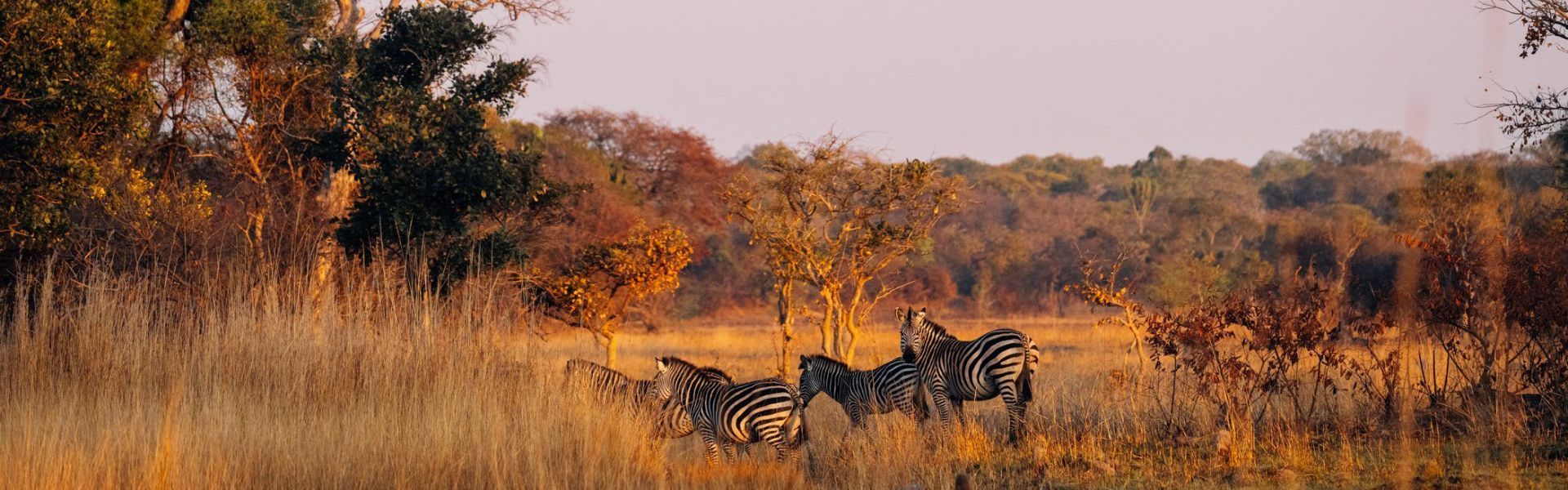
Antelope: Kafue lechwe are the park’s signature species, thriving in floodplains. Other antelopes include blue wildebeest, kudu, oribi, and bushbuck.
Birdlife: Over 400 bird species have been recorded, including migratory waterfowl, storks, pelicans, and raptors. The marshes are particularly rich in aquatic birds.
Other mammals: Bushpig, vervet monkeys, and baboons inhabit the woodlands. Larger predators are absent, having been eliminated during ranching days, allowing antelope and bird populations to flourish.
Cultural & Natural Features
Lochinvar is more than wildlife it hosts:
Hot springs and echoing rocks.
Sebanzi Hill, with remains of a Neolithic settlement and an Iron Age village, plus caves and an ancient baobab.
Scenic floodplains and lagoons that change dramatically with the seasons.
These features make Lochinvar a blend of natural and cultural heritage.
Tourism
The old colonial-style farmhouse once served as a lodge but has long been closed. As of 2026, there are no accommodations in or near the park. Visitors may camp with their own gear, making Lochinvar a rustic and self-sufficient destination.
Tourism remains limited compared to other Zambian parks, but birdwatchers and cultural explorers find Lochinvar rewarding.
Activities
Visitors to Lochinvar National Park can enjoy:
Birdwatching: Spot migratory waterfowl and over 400 recorded species.
Wildlife Viewing: Observe herds of Kafue lechwe and other antelope.
Exploring Sebanzi Hill: Discover archaeological remains and caves.
Hot Springs & Echoing Rocks: Experience unique natural phenomena.
Photography: Capture floodplain scenery, lagoons, and wildlife.
Visitor Tips
Bring camping gear-there are no lodges or facilities.
Best time to visit: Dry season (May-October) for easier access, though wet season offers spectacular birdlife.
Respect cultural sites like Sebanzi Hill, which hold archaeological significance.