
Ultimate Guide to Nyika Safari
Find Nyika Safari Tours from Verified Zambia Operators
The Ultimate Guide to Nyika Safari
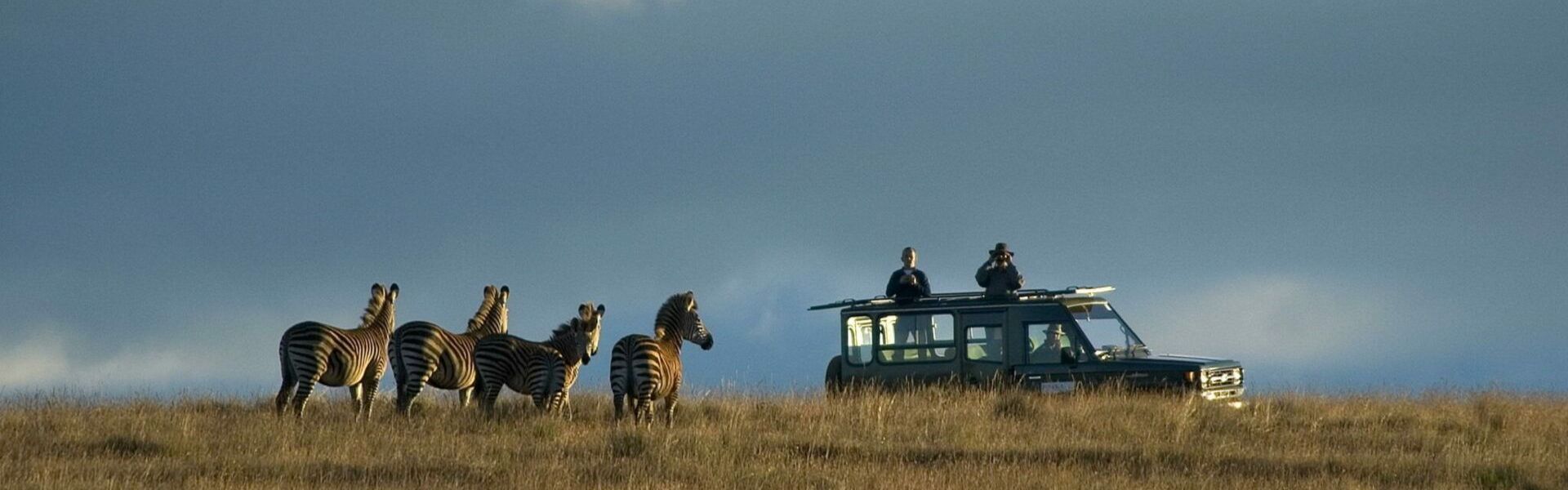
Nyika SafariNyika National Park lies in the northeast of Zambia, on the western edge of the Nyika Plateau, one of the country’s highest regions. Most of the plateau extends into neighboring Malawi, making this park part of a unique cross-border conservation landscape. Originally established during the colonial era when both territories were under British administration, the plateau was managed as a single reserve. After independence, it was divided into two separate parks: the much larger Nyika National Park in Malawi and the smaller Nyika National Park in Zambia.
Ecology
The Zambian side of Nyika represents the country’s only example of the Southern Rift montane forest–grassland mosaic ecoregion. Between September and April, the plateau bursts into color with a wide variety of wildflowers, creating spectacular scenery. The high-altitude environment supports montane grasslands, patches of evergreen forest, and rolling hills, offering habitats distinct from Zambia’s lowland savannas and woodlands.
Conservation & Threats
Unlike the Malawian side, the Zambian portion of Nyika has remained largely undeveloped. Decades of limited investment and infrastructure have left it without facilities for tourism or active management. The colonial-era Nyika Guesthouse, built around 1946, was once the only accommodation in either park. It closed in 1998, leaving the Zambian side without visitor lodges or campsites. Today, guides and tourism services focus almost entirely on the Malawian park, while Zambia lists Nyika as available for concession or collaborative management partnerships in its Tourism Investment Guide (2022).
Surrounding Areas
The Zambian park is directly connected to the Malawian Nyika National Park, with the north–south plateau road serving as the boundary. This road begins and ends in Malawi, meaning Zambian visitors must cross into Malawi to access the plateau. Entry points include Chisenga and Katumbi via the M14 road. The cross-border nature of the reserve highlights its ecological importance, but also complicates access and management.
Activities
On the Zambian side, tourism activities are minimal due to the lack of infrastructure. However, visitors who cross into Malawi can enjoy:
Walking Safaris – exploring montane grasslands and forest patches.
Wildflower Viewing – especially between September and April when the plateau blooms.
Birdwatching – montane habitats support unique bird species not found in Zambia’s lowlands.
Scenic Drives – along the plateau road, offering panoramic views of rolling hills and valleys.
Best Time to Visit
The best time to visit Nyika is during the wet season (September–April), when wildflowers are in bloom and the plateau is at its most vibrant. The dry season (May–August) offers clearer skies and easier access, though the landscape is less colorful.
Visitor Tips
Access to the Zambian side requires crossing into Malawi, as the only road runs entirely through Malawian territory.
Facilities are limited; most accommodation is found in the Malawian Nyika National Park.
The old Nyika Guesthouse on the Zambian side is closed but remains a historical landmark.
Visitors should plan trips through Malawian tour operators for a smoother experience.
Conservation partnerships may expand opportunities in the future, but for now, the Zambian side remains a wilderness without services.