

Ultimate Guide to Kasanka Safari
Find Kasanka Safari Tours from Verified Zambia Operators
The Ultimate Guide to Kasanka Safari
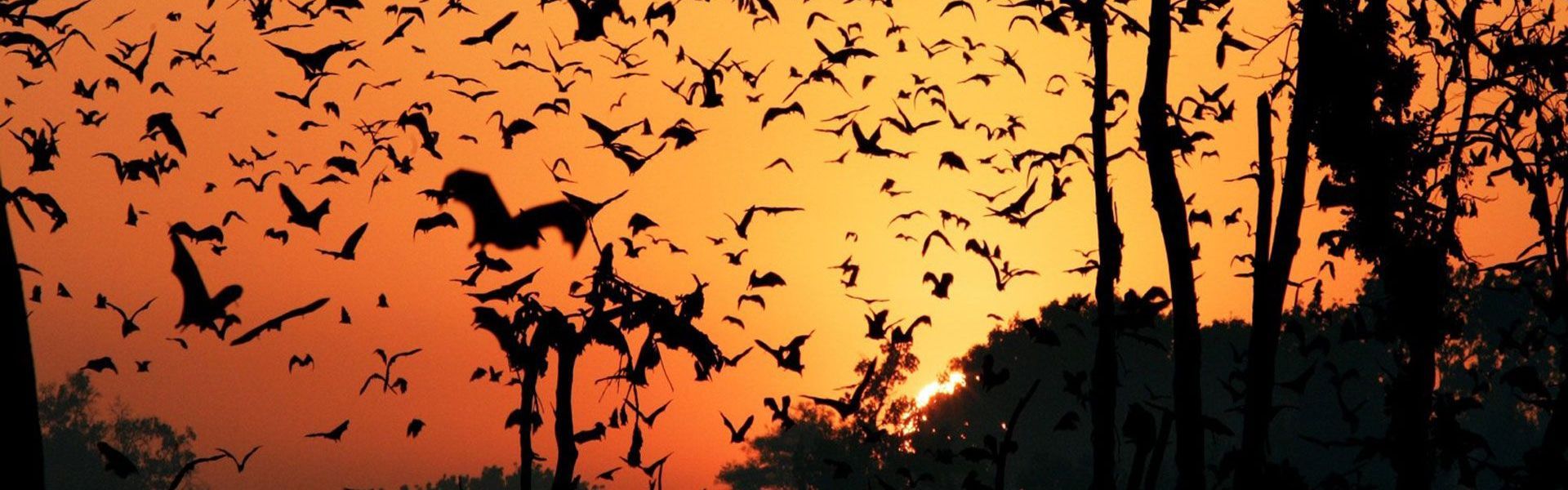
Kasanka SafariKasanka National Park, located in Chitambo District of Zambia’s Central Province, is one of the country’s smallest national parks at about 390 km² (150 mi²). Despite its size, Kasanka is world-famous for hosting the largest mammal migration on Earth—the arrival of up to ten million straw-coloured fruit bats each year between October and December.
Kasanka was the first Zambian park to be managed under a private-public partnership, with the Kasanka Trust Ltd taking responsibility since 1986, working alongside the Department of National Parks and Wildlife (DNPW). This partnership has transformed Kasanka into a conservation success story, balancing biodiversity protection with community outreach and tourism.
Geography & Landscape
The park lies at an elevation of 1,160–1,290 m, with a relatively flat topography punctuated by features like Mambilima Falls and rocky hills such as Mpululwe and Bwalya Bemba. It is dissected by rivers including the Luwombwa, Mulembo, Kasanka, Mulaushi, and Musola, which feed into the Luapula River, a major tributary of the Congo.
Kasanka contains nine permanent lakes and over 100 km of rivers, supporting diverse aquatic ecosystems. Habitats include:
Miombo woodlands (70% of the park), rich in tree species and shaped by fire management.
Evergreen forests: swampy Mushitu, riverine forests, and rare dry evergreen Mateshe.
Chipya woodlands, prone to hot fires.
Dambos (grassy drainage basins), vital for grazing mammals.
Papyrus swamps, the crown jewels of Kasanka, home to the elusive sitatunga antelope.
Wildlife
Mammals
Kasanka hosts 114 mammal species, including elephants, hippos, buffalo, zebra, sable, hartebeest, and numerous antelope. Puku antelope are the most abundant, while Kasanka is considered the best place in the world to spot the shy sitatunga, with an estimated 500–1,000 individuals. Leopards are the largest resident predator, while jackals, mongooses, civets, and genets are common.
Bats
Kasanka’s defining spectacle is the fruit bat migration. Between October and December, 8–10 million bats roost in the Mushitu forest, consuming an estimated 330,000 tonnes of fruit. This creates the highest density of mammalian biomass on Earth. Raptors such as martial eagles, palm-nut vultures, and Amur falcons gather to prey on the bats, adding drama to the event.
Birds
Kasanka is a birding paradise, with 330+ species recorded. Highlights include Pel’s fishing owl, African finfoot, Böhm’s bee-eater, wattled cranes, shoebills, Narina trogons, Schalow’s turaco, and Anchieta’s sunbird. The variety of habitats ensures sightings of both wetland specialists and miombo woodland endemics.
Other Wildlife
Kasanka also supports crocodiles, Nile monitors, tortoises, snakes (including pythons and cobras), frogs, geckos, and skinks, making it a diverse ecosystem beyond large mammals.
Conservation & Management
Kasanka was once heavily depleted by poaching, but since the Kasanka Trust took over in 1987, wildlife has rebounded. The Trust employs about 60 local staff, manages infrastructure, and runs community outreach programs including conservation farming, education sponsorships, and human-elephant conflict mitigation.
Tourism revenue supports conservation, but external funding remains vital. The Trust also expanded operations to Lavushi Manda National Park in 2011, showing its growing role in Zambia’s conservation landscape.
Activities
Visitors to Kasanka National Park can enjoy:
Bat Migration Viewing: Witness millions of bats at dawn and dusk from treetop hides.
Wildlife Watching: Spot sitatunga, elephants, buffalo, and antelope across diverse habitats.
Birdwatching: Explore wetlands, forests, and woodlands for rare species.
Fishing & Canoeing: Experience the Luwombwa River’s aquatic life.
Walking & Driving Safaris: Discover miombo woodlands and dambos.
Photography: Capture dramatic bat flights, papyrus swamps, and wildlife encounters.
Visitor Tips
The park has an airfield (FLKA) and road access from Serenje.
Lodges and campsites are available, including facilities near Lake Wasa.
Best time to visit: October–December for the bat migration, though wildlife and birding are excellent year-round.
Travel with guides for the best chance to spot sitatunga and rare birds.
Support conservation by staying at Kasanka Trust facilities-your visit helps fund protection.