
Ultimate Guide to Lower Zambezi Safari
Find Lower Zambezi Safari Tours from Verified Zambia Operators
The Ultimate Guide to Lower Zambezi Safari
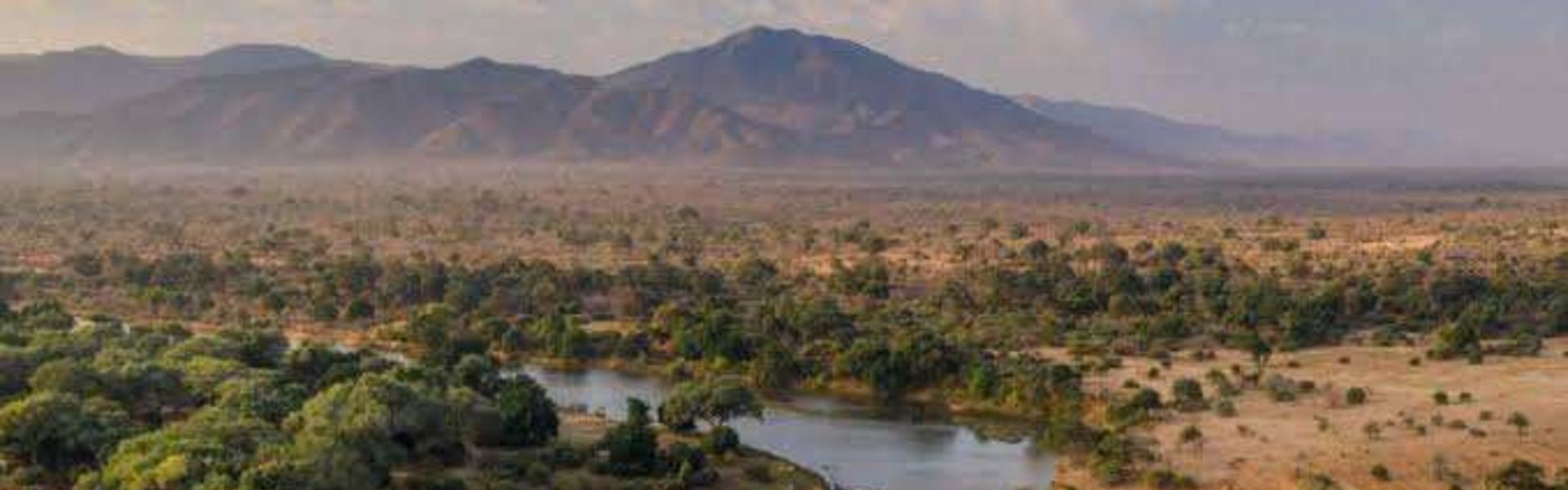
Lower Zambezi SafariLower Zambezi National Park lies on the north bank of the Zambezi River in southeastern Zambia, opposite Zimbabwe’s Mana Pools National Park. Covering the Zambezi floodplain and rising up to the Zambezi Escarpment, the park is one of Africa’s most pristine wilderness areas. Until 1983, it was the private game reserve of Zambia’s president, which shielded it from mass tourism and preserved its untouched character.
Together with Mana Pools across the river, Lower Zambezi forms a vast transboundary ecosystem where wildlife roams freely between floodplains, woodlands, and riverbanks.
Geography & Landscape
The park slopes gently from the escarpment down to the river, straddling two major woodland savannah ecoregions:
Southern Miombo woodlands on higher ground in the north.
Zambezian Mopane woodlands on lower slopes in the south.
At the river’s edge lies a rich floodplain habitat, where most large mammals congregate. The park is surrounded by a Game Management Area (GMA) with no fences, allowing both wildlife and local communities to move freely across the landscape.
Its remote location is part of its charm-there are no paved roads, few tourists, and an authentic wilderness feel. Access is possible via Jeki Airstrip, serviced by Proflight Zambia.
Wildlife
Lower Zambezi is renowned for its concentration of large mammals along the floodplain:
Elephants: Large herds are a common sight.
Buffalo, hippos, and crocodiles thrive along the river.
Predators: Lions and leopards are frequently seen, with occasional sightings of African wild dogs.
Antelope species: Impala, waterbuck, kudu, and others graze the plains.
Birdlife: The park hosts a wide variety of species, from raptors to waterbirds, making it a paradise for birdwatchers.
Conservation Challenges
In 2011, a proposal was made for copper mining within the park by Mwembeshi Resources Limited, with approval granted in 2014 for the Kangaluwi Mine. Mining was set to begin in 2023, but in May 2023, Zambia’s Environmental Management Agency and the Ministry of Green Economy ordered a pause due to breaches of conditions.
Conservationists warn that mining could devastate the park’s ecosystems, harm the Zambezi River, and undermine Zambia’s tourism industry. The debate highlights the tension between economic development and environmental protection.
Activities
Visitors to Lower Zambezi National Park can enjoy:
Game Drives: Spot elephants, lions, and antelope across floodplains and woodlands.
Canoe Safaris: Paddle along the Zambezi River among hippos and crocodiles.
Boat Cruises: Sunset trips on the river offer spectacular views and birdwatching.
Walking Safaris: Explore miombo and mopane woodlands on foot with guides.
Fishing: Catch-and-release angling for tigerfish and bream.
Photography: Capture dramatic escarpment backdrops, river scenes, and wildlife.
Visitor Tips
Access is remote-plan flights into Jeki Airstrip or boat transfers.
Best time to visit: Dry season (May-October) for wildlife viewing, though wet season offers lush scenery.
Stay at lodges or camps along the river for immersive safari experiences.
Travel with guides-wildlife encounters are spectacular but require expertise.
Respect conservation rules-the park’s wilderness is fragile and under threat from mining pressures.