
Ultimate Guide to Sioma Ngwezi Safari
Find Sioma Ngwezi Safari Tours from Verified Zambia Operators
The Ultimate Guide to Sioma Ngwezi Safari
Sioma Ngwezi SafariSioma Ngwezi National Park, located in the southwest corner of Zambia, covers an impressive 5,000 square kilometers. Despite its size, the park remains one of Zambia’s most undeveloped and least visited protected areas. With no proper roads and lying far off the usual tourist routes, it has long been overlooked. However, its strategic location near Angola, Namibia, and Botswana makes it a key conservation area with potential for future development and inclusion in regional transfrontier initiatives.
Ecology
Like most Zambian national parks, Sioma Ngwezi is unfenced, allowing free movement of wildlife across its boundaries. It is surrounded by Game Management Areas (GMAs), where hunting is regulated. The West Zambezi GMA, adjacent to the park, is the largest in Zambia, covering 35,000 square kilometers.
The park lies within the Silowana Plains, a vast landscape between the Zambezi River, the Cuando River (upper Chobe), and the Caprivi Strip. Once part of the Kalahari Desert, the plains are covered in ancient wind-blown sand dunes, now softened into gentle undulations. Seasonal rivers and rainfall create thousands of small lagoons in the depressions between dunes during the rainy season. Vegetation includes Zambezian Baikiaea woodlands dominated by Zambian teak, Western Zambezian grasslands, and Zambezian flooded grasslands along the rivers.
Fauna
Sioma Ngwezi plays a vital role in regional wildlife migration. It forms part of the elephant and wildebeest migratory route linking Zambia with Botswana and Namibia. The park provides refuge for elephants escaping heavy poaching in Angola, especially during and after the civil war.
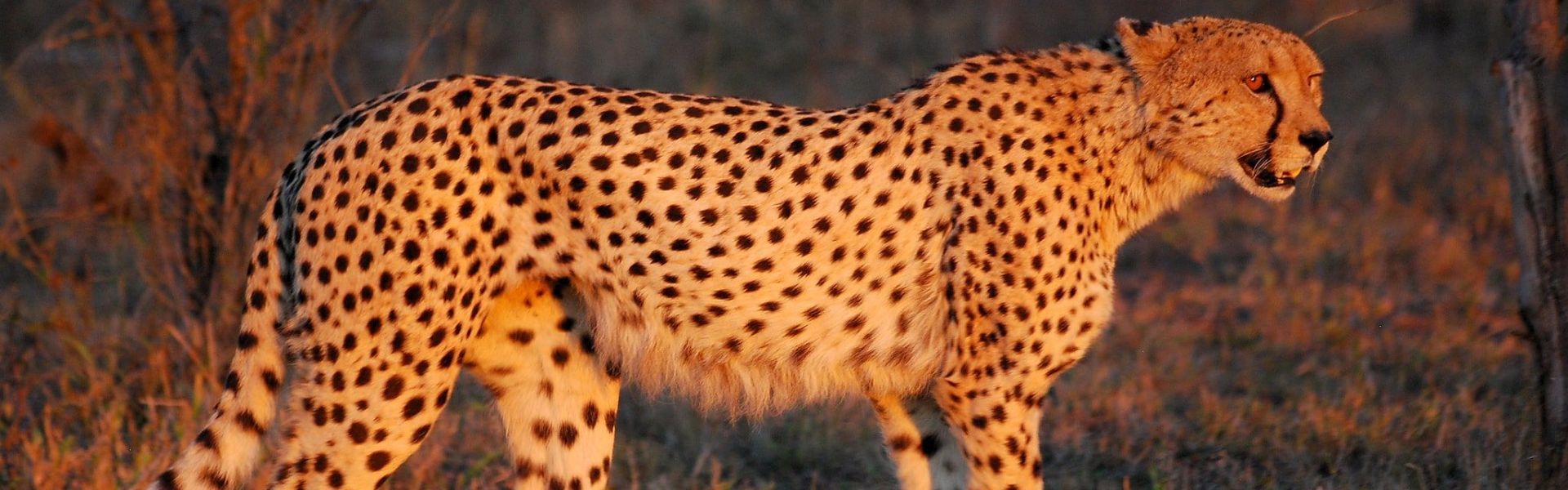
Wildlife includes over 3,000 African bush elephants, as well as roan antelope, sable antelope, puku, impala, Grant’s zebra, and kudu. Endangered predators such as the Cape wild dog and South African cheetah are also present. Since 2005, Sioma Ngwezi has been recognized as a Lion Conservation Unit, underscoring its importance for predator conservation.
Conservation & Threats
Despite its ecological value, Sioma Ngwezi faces challenges. Poaching remains a threat, particularly for elephants and predators. The lack of infrastructure and management has limited effective protection. However, Zambia’s government has expressed plans to open the park to private management partnerships, aiming to improve wildlife protection and tourism opportunities. Its location near three international borders makes it a prime candidate for transfrontier conservation projects.
Surrounding Areas
Sioma Ngwezi is part of a larger ecological network in southwestern Zambia. It lies south of the Barotse Floodplain and connects to the Cuando/Chobe River system and the Caprivi Strip. Its proximity to Angola, Namibia, and Botswana positions it within the proposed Kavango–Zambezi Transfrontier Conservation Area, which would link multiple parks across five countries into one of the largest conservation landscapes in the world.
Activities
Tourism in Sioma Ngwezi is minimal due to its lack of infrastructure. Current options include:
Camping – basic campsites are available for adventurous visitors.
Guided Safaris – a few tour operators offer 4WD safaris into the park.
Wildlife Viewing – elephants, antelopes, and predators can be seen, though sightings are less predictable than in developed parks.
Birdwatching – wetlands and lagoons attract diverse bird species during the rainy season.
Best Time to Visit
The dry season (May to October) is the best time to visit, as tracks are more accessible and wildlife congregates around limited water sources. During the rainy season, lagoons form across the plains, creating beautiful scenery and attracting birdlife, but travel becomes more difficult due to sandy and waterlogged tracks.
Visitor Tips
Be prepared for rugged conditions: only 4WD vehicles can navigate the park.
Facilities are extremely limited bring camping gear, food, and supplies.
Guided tours are recommended for safety and navigation.
Respect conservation rules, as the park is fragile and under pressure from poaching.