
Ultimate Guide to Liuwa Plain Safari
Find Liuwa Plain Safari Tours from Verified Zambia Operators
The Ultimate Guide to Liuwa Plain Safari
Liuwa Plain SafariLiuwa Plain National Park covers 3,369 km² (1,301 sq mi) in Zambia’s Western Province, within the Barotse Floodplain. The name Liuwa means “plain” in the local dialect of the Lozi language, reflecting its vast grasslands. Originally designated as a royal hunting ground by Lubosi Lewanika, the Litunga (king) of the Lozi people in the 1880s, Liuwa was declared a national park in 1972.
Since 2003, the nonprofit African Parks, in partnership with Zambia’s Department of National Parks and Wildlife and the Barotse Royal Establishment, has managed Liuwa. Their work has restored wildlife populations, reintroduced species, and revived the park’s cultural connection to the Litunga.
Geography & Landscape
The park lies between the Luambimba River (north) and Luanginga River (south), dominated by grasslands measuring 72 by 32 km. Scattered raffia palms, woodlands, and floodplain grasses provide grazing for wildebeest and antelope. Key grass species include Echinochloa stagnina and Vossia cuspidata, vital for herbivores.
The open plains create one of Africa’s most dramatic wildlife spectacles: the second-largest wildebeest migration on the continent.
Wildlife
Mammals
Blue wildebeest: Tens of thousands migrate annually, forming Africa’s second-largest migration.
Antelope: Tsessebe, oribi, red lechwe, reedbuck, roan, eland, and Lichtenstein’s hartebeest (reintroduced in 2025 after 50 years of absence).
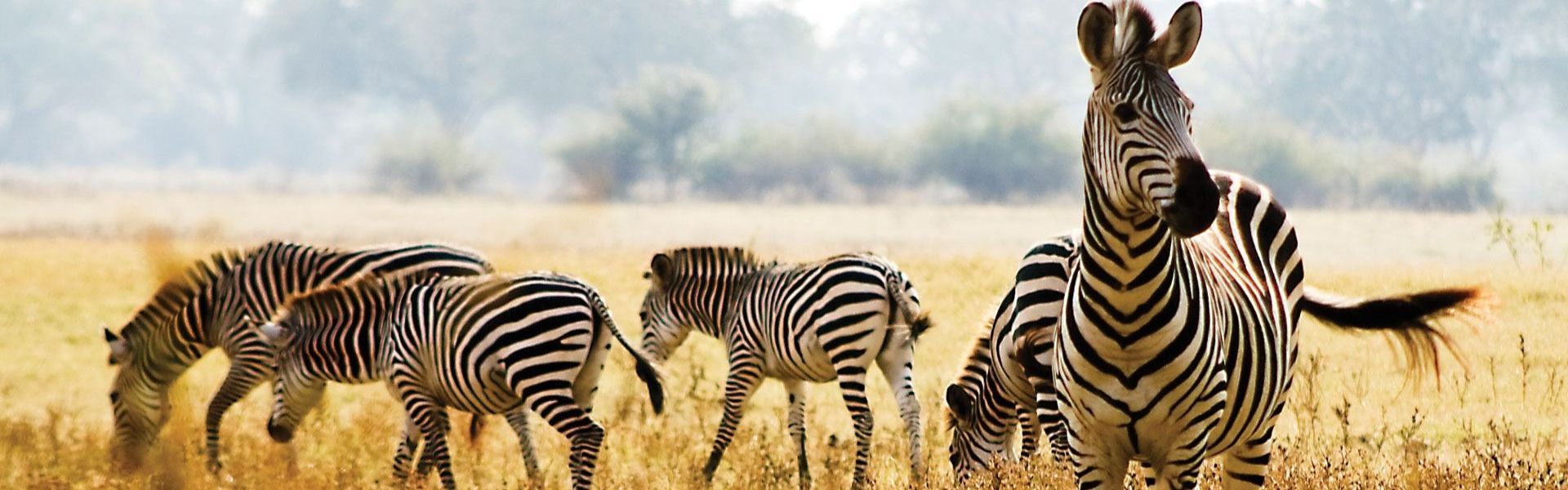
Buffalo and zebra: Populations have rebounded, with zebra now exceeding 4,000 individuals.
Predators: Cheetah, leopard, spotted hyena, African wild dog, and lions.
Lions & Lady Liuwa
Liuwa’s most famous resident was Lady Liuwa, the lone lioness who survived years of hunting and became a symbol of resilience. She was the subject of the documentary The Last Lioness. African Parks reintroduced lions to rebuild a pride, and today Liuwa hosts around 20 breeding lions. Lady Liuwa died of natural causes in 2017, but her legacy lives on.
African Wild Dogs
In 2021, 11 wild dogs were translocated to Liuwa. Released in 2022, they bonded into a pack and have since grown to 25 individuals, marking a successful reintroduction.
Birds
Over 330 bird species thrive here, including wattled cranes, grey crowned cranes, Pel’s fishing owl, bateleur eagles, secretary birds, pelicans, storks, and pratincoles. The floodplain is a critical breeding ground for waterbirds.
Conservation
During the 1990s–2000s, poaching and hunting caused severe declines, with local extinctions of buffalo, eland, and hartebeest. Since African Parks assumed management, populations have stabilized, species have been reintroduced, and tourism has grown. Liuwa is now considered a Lion Conservation Unit and a model of community-based conservation.
Tourism
Tourism was minimal until recently only 50 visitors in 2000. Today, access has improved with flights to Kalabo and the opening of King Lewanika Lodge, a luxury safari lodge with six villas. Helicopter services and guided safaris make Liuwa more accessible, though it remains one of Zambia’s most exclusive wilderness experiences.
Activities
Visitors to Liuwa Plain National Park can enjoy:
Wildebeest Migration Viewing: Witness tens of thousands of wildebeest across the plains.
Predator Tracking: Spot cheetahs, hyenas, lions, and wild dogs.
Birdwatching: Discover cranes, raptors, and waterbirds.
Cultural Encounters: Learn about the Lozi people and the Litunga’s historic connection.
Photography: Capture vast grasslands, dramatic skies, and wildlife spectacles.
Visitor Tips
Best time to visit: November–December for the wildebeest migration, though wildlife and birding are excellent year-round.
Access via Proflight Zambia to Kalabo, then guided transfers.
Stay at King Lewanika Lodge for luxury or camp for a rustic experience.
Travel with guides wildlife is abundant but spread across vast plains.
Respect local traditions the park’s heritage is deeply tied to the Lozi people.