
Ultimate Guide to Amboseli Safari
Find Amboseli Safari Tours from Verified Kenya Operators
The Ultimate Guide to Amboseli Safari
Amboseli SafariAmboseli National Park once known as the Maasai Amboseli Game Reserve, is a renowned conservation area located in Loitoktok District, Kajiado County, Kenya. Covering 392 km² (151 sq mi), it forms the heart of a much larger 8,000 km² (3,100 sq mi) ecosystem that stretches across the Kenya–Tanzania border. The park is celebrated for its rich biodiversity, hosting more than 400 bird species, including pelicans, kingfishers, crakes, hamerkops, and an impressive 47 species of raptors. The surrounding communities are predominantly Maasai, whose culture and traditions remain closely tied to the land.
Landscape and Ecology
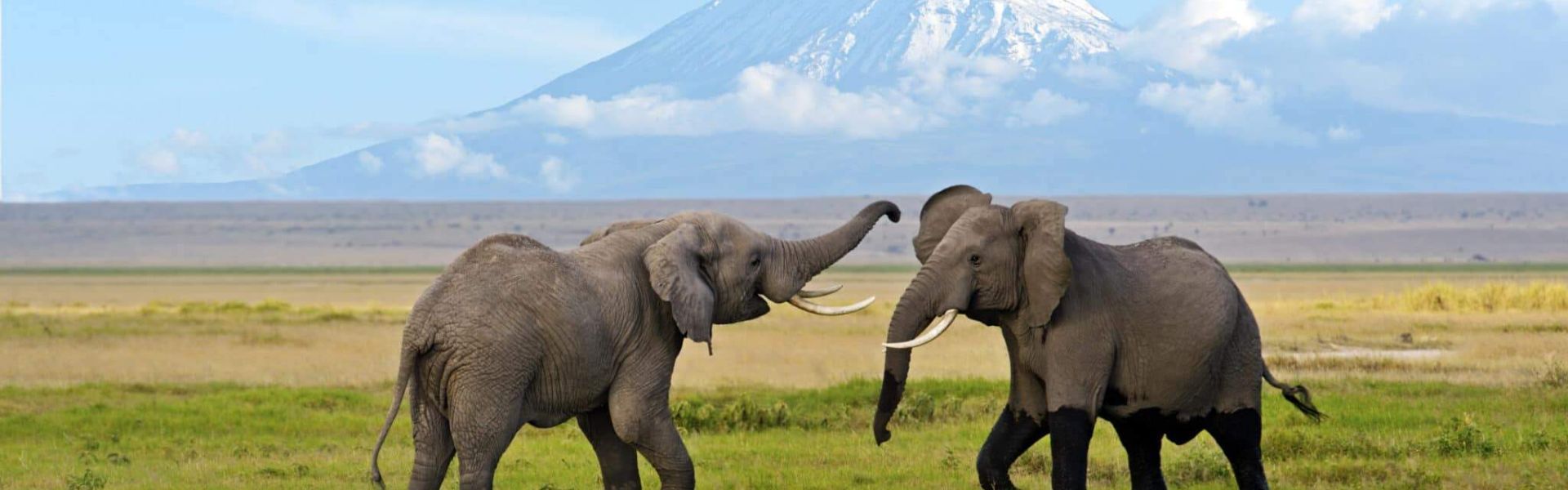
Amboseli protects two of the region’s five major swamps, alongside a dried-up Pleistocene lake and extensive semiarid vegetation. This unique mix of wetlands and dry plains creates striking contrasts lush green oases set against dusty, arid expanses with Mount Kilimanjaro forming a dramatic backdrop.
Historical Background
The area was first entered by Europeans in 1883, when explorer Jeremy Thompson ventured into the Maasai territory known as Empusel (meaning “salty, dusty place” in Maa). He marveled at the abundance of wildlife and the stark contrast between the barren lakebed and the thriving swamps a balance that continues to define Amboseli today.
In 1906, the land was designated as the Southern Reserve for the Maasai, later becoming a game reserve in 1948. It was gazetted as a national park in 1974 to safeguard its fragile ecosystem, and in 1991, it gained recognition as a UNESCO site. Over the years, Amboseli has been at the center of conservation and political debates. In 2005, President Mwai Kibaki announced that management of the park would shift from the Kenya Wildlife Service to the Olkejuado County Council and the Maasai community, sparking legal challenges and discussions about revenue sharing and local benefits.
Wildlife
Amboseli is world-famous for its African bush elephants, which have been studied extensively since 1972 by conservationist Cynthia Moss. The park was home to Echo, one of the most studied elephants in history, who lived for nearly 60 years and became the subject of numerous books and documentaries before her death in 2009.
Beyond elephants, Amboseli supports 50–80 mammal species, including Cape buffalo, impala, yellow baboon, Masai giraffe, Grant’s zebra, eastern white-bearded wildebeest, spotted hyena, East African cheetah, and Southeast African lion. The park is also a haven for birdlife, ranging from large water birds to smaller species, making it a paradise for ornithologists and wildlife enthusiasts alike.
Best Time to Visit
January–February (short dry season): Clear skies, excellent Kilimanjaro visibility, concentrated wildlife near swamps.
June–October (long dry season): Prime safari season; vegetation is sparse, animals gather at water sources, and Kilimanjaro views are clearest.
November–December (short rains): Lush landscapes, migratory birds, dramatic sunsets.
March–May (long rains): Wettest period; roads muddy, Kilimanjaro often obscured, but birding is superb.
Activities in Amboseli
Game Drives: Morning and evening safaris for elephants, predators, and Kilimanjaro views.
Birdwatching: Over 400 species, especially rewarding during rainy seasons.
Photography: Iconic shots of elephants with Kilimanjaro; best early mornings in July–August.
Cultural Visits: Interactions with the Maasai community, learning traditions and crafts.
Guided Walks: Explore swamps and plains with expert naturalists.
Scenic Viewing: Observation points for panoramic views of the park and Kilimanjaro.
Tip for Visitors: For the classic Amboseli experience elephants framed by Kilimanjaro plan your trip in the dry season (June–October or January–February) and schedule early morning game drives for the clearest mountain views.