
Ultimate Guide to Maasai Mara Safari
Find Maasai Mara Safari Tours from Verified Kenya Operators
The Ultimate Guide to Maasai Mara Safari
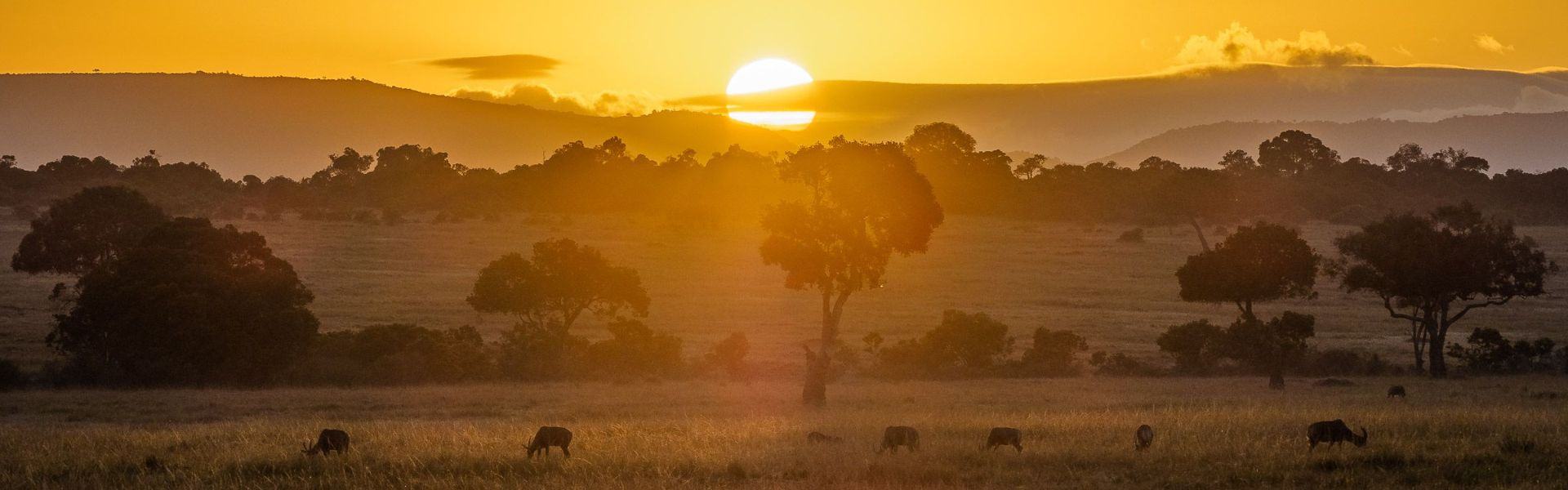
Maasai Mara SafariThe Maasai Mara, often simply called “The Mara,” is one of Africa’s most iconic wildlife reserves. Located in Narok County, Kenya, it borders Tanzania’s Serengeti National Park, forming a continuous ecosystem that supports one of the richest concentrations of wildlife on Earth. The reserve is named after the Maasai people, who migrated from the Nile Basin and described the land as “Mara,” meaning “spotted” in the Maa language, due to the scattered bushes and trees dotting the plains.
The Maasai Mara is world-renowned for its populations of lions, leopards, cheetahs, elephants, and the annual Great Migration, which has earned it recognition as one of the Seven Natural Wonders of Africa and one of the Ten Wonders of the World.
History
The reserve was first established in 1961 as a wildlife sanctuary covering 520 km², including the Mara Triangle. Later that year, it was expanded eastward to 1,821 km² and converted into a game reserve under the management of the Narok County Council. Over time, portions of land were returned to local communities, reducing the reserve’s size to 1,510 km² by 1984.
The Maasai people, known for their tall stature, colorful shukas, and beadwork, continue to live around the reserve. Traditionally pastoralists, they rely on cattle for sustenance and cultural identity. The establishment of the reserve displaced some Maasai communities, but today, conservancies and group ranches allow them to benefit from tourism revenue while maintaining their traditions.
During the COVID-19 pandemic, conservation organizations created the Maasai Mara Rescue Fund to support wildlife conservancies and ensure landowners received lease payments, reducing pressure to convert land for agriculture.
Geography
The Greater Mara ecosystem covers 1,510 km² and forms the northernmost section of the Mara–Serengeti ecosystem. To the south lies Serengeti National Park, while the Siria/Oloololo Escarpment borders the west. The Mara River, along with its tributaries the Sand and Talek rivers, drains the reserve.
The terrain is dominated by open grasslands, seasonal streams, and scattered acacia trees. Wildlife is most concentrated near the western escarpment, where swampy ground ensures year-round water availability. The reserve’s altitude ranges between 1,500 and 2,180 metres, with rainfall varying from 800 mm annually in the east to 1,200 mm in the west. The climate is semi-arid, with long rains in April–May and short rains in November–December.
Wildlife
The Maasai Mara is home to all members of the “Big Five”: lions, leopards, elephants, buffaloes, and black rhinos. It is the only protected area in Kenya with an indigenous black rhino population unaffected by translocations, though numbers declined drastically due to poaching in the 1970s and 1980s. Today, conservation efforts have stabilized the population at around 25–30 individuals.
Large carnivores thrive here, with lions being the most dominant. Leopards are found in wooded areas, while cheetahs roam the open savanna. Hyenas are abundant, competing with lions for prey. African wild dogs are rare due to disease and competition, but smaller carnivores such as jackals, servals, honey badgers, and civets are present.
The reserve is also a birdwatcher’s paradise, with over 500 species recorded, including raptors, vultures, crowned cranes, ostriches, secretary birds, and the lilac-breasted roller, Kenya’s national bird.
The Great Migration
The Great Migration is one of the most spectacular wildlife events on Earth. Each year, over 1.3 million wildebeest, 200,000 zebras, and hundreds of thousands of gazelles move in a clockwise cycle between Tanzania’s Serengeti and Kenya’s Maasai Mara, driven by rainfall and the search for fresh grazing.
The migration typically reaches the Mara between July and October, with river crossings at the Mara River being the most dramatic moments. Animals face strong currents and predators such as crocodiles and lions. The migration plays a vital ecological role by fertilizing grasslands, dispersing seeds, and sustaining predator populations.
Conservation groups emphasize the importance of maintaining open wildlife corridors, which are threatened by fencing and land-use changes. Community conservancies help protect these corridors while providing income for Maasai landowners through tourism.
Administration
As of 2023, the Mara Triangle is managed by the Mara Conservancy, while the Narok County Government oversees the eastern sector. Local Maasai group ranches and conservancies form part of the Greater Mara ecosystem, balancing conservation with community livelihoods.
Activities in Maasai Mara
Game Drives: Experience the Big Five and countless other species across diverse habitats.
Great Migration Viewing: Witness dramatic river crossings and vast herds of wildebeest and zebras.
Birdwatching: Spot over 500 bird species, including raptors and colorful forest birds.
Hot Air Balloon Safaris: Enjoy panoramic views of the savanna at sunrise.
Cultural Visits: Engage with Maasai communities to learn about traditions, beadwork, and pastoral life.
Photography Tours: Capture iconic African landscapes and wildlife spectacles.
Best Time to Visit
The best time to visit is during the dry season from July to October, coinciding with the Great Migration. This period offers excellent wildlife viewing and dramatic river crossings. January to February is also favorable, with fewer tourists and clear skies. The rainy seasons (March–May and November–December) bring lush scenery and bird migrations, though roads may be muddy.
Visitor Tips
Visitors should plan for at least three to four days to fully experience the reserve. A 4×4 vehicle is essential for navigating rough terrain. Carry binoculars, cameras, sunscreen, hats, and insect repellent. Guided tours enhance the experience, offering insights into wildlife behavior and Maasai culture. Respect conservation rules, avoid disturbing animals, and support local communities by staying in conservancies or purchasing Maasai crafts. Early mornings and evenings provide the best light for photography and the most active wildlife sightings.