
Ultimate Guide to Malka Mari Safari
Find Malka Mari Safari Tours from Verified Kenya Operators
The Ultimate Guide to Malka Mari Safari
Malka Mari SafariMalka Mari National Park is situated along the Dawa River, right on the Kenya–Ethiopia border in Mandera County. Covering about 1,500 km² (370,000 acres), it was designated as an IUCN Category II park in 1989. Accessible via Mandera Airport, Malka Mari is considered one of the least visited national parks in Kenya, offering a remote and untouched wilderness experience.
The park’s landscape is dominated by semi‑arid bushland, scrubby grasslands, and riparian woodlands along the river. Several plant species found here are unique to the area, adding to its ecological importance.
Wildlife
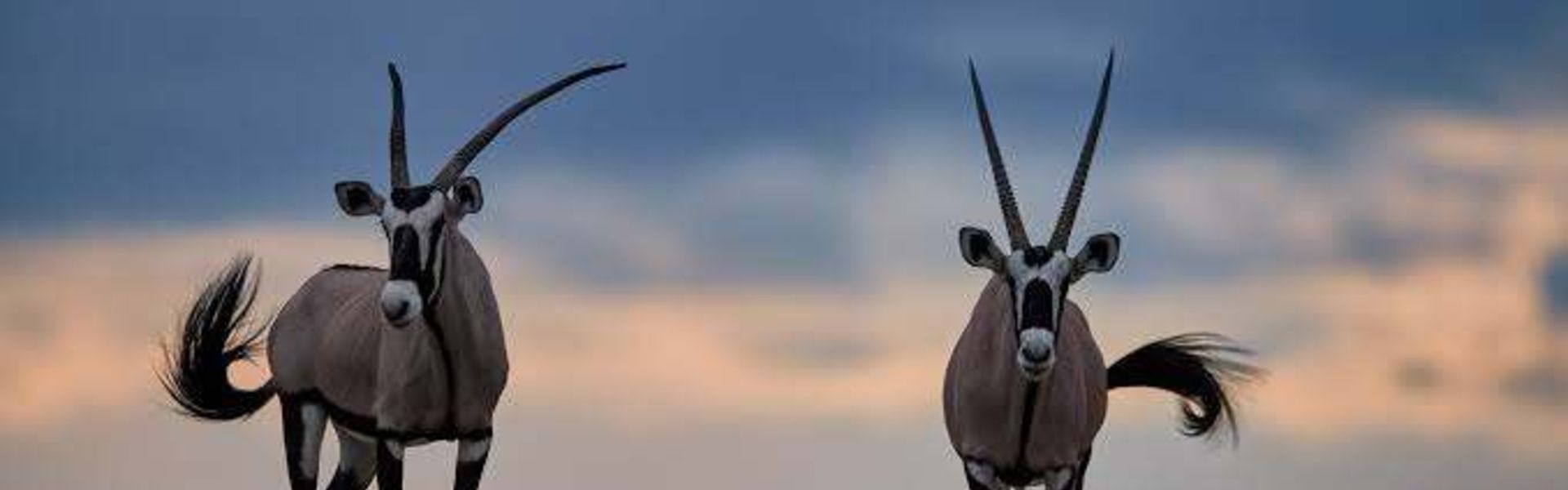
Malka Mari hosts a diverse range of animals adapted to its semi‑arid environment. Species include the Somali giraffe, zebras, antelopes, dik‑dik, Nile crocodiles, hyenas, genets, and agama lizards. Recently, the park gained recognition for confirming the first East African population of Hamadryas baboons (Papio hamadryas).
Birdlife is equally rich, with notable species such as the mourning collared dove, spotted palm thrush, Juba weaver, brown‑necked raven, white‑winged collared dove, and black‑billed wood hoopoe. Vultures and other raptors are also commonly seen soaring above the plains.
Best Time to Visit
The best time to visit Malka Mari is during the dry seasons (January–March and June–October), when wildlife is easier to spot and river access is more manageable. The rainy seasons (April–May and November–December) bring greener landscapes and more bird activity, though travel can be challenging due to flooding and muddy tracks.
Activities
Game Drives: Explore semi‑arid bushlands and riverine habitats to spot giraffes, antelopes, and baboons.
Birdwatching: Observe rare and endemic species such as the Juba weaver and black‑billed wood hoopoe.
Scenic Viewing: Enjoy the remote wilderness along the Dawa River.
Photography: Capture unique semi‑arid landscapes, wildlife, and birdlife.
Cultural Visits: Engage with local communities near Mandera to learn about traditions and life along the borderlands.
Visitor Tips
Malka Mari is remote and underdeveloped compared to other Kenyan parks, so visitors should prepare for basic facilities and rugged conditions. Guided tours are recommended for safety and navigation. Carry sufficient water, sun protection, and sturdy shoes, as the climate is hot and dry. The park is ideal for adventurous travelers seeking solitude and rare wildlife encounters away from mainstream safari routes.