
Ultimate Guide to Lake Nakuru Safari
Find Lake Nakuru Safari Tours from Verified Kenya Operators
The Ultimate Guide to Lake Nakuru Safari
Lake Nakuru SafariLake Nakuru is one of the famous Rift Valley lakes, situated at an elevation of 1,754 m (5,755 ft) above sea level, just south of Nakuru town and about 164 km north of Nairobi. It is a shallow, alkaline lake whose size varies seasonally between 5 and 45 km². The lake and its surrounding area are protected within Lake Nakuru National Park, which covers 188 km² (73 mi²) and was established in 1961.
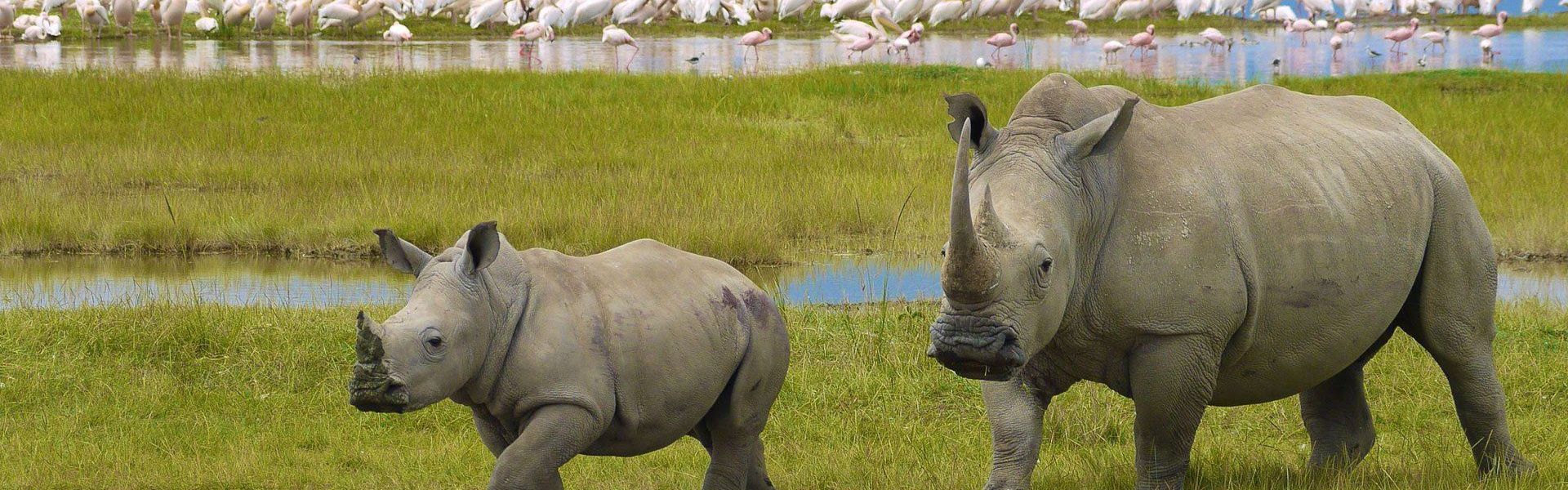
The lake is globally renowned for its spectacular flocks of flamingos, often numbering in the millions, creating a striking pink carpet across the water. In 2011, Lake Nakuru, together with Lake Bogoria and Lake Elementaita, was inscribed as part of the UNESCO World Heritage Site -Kenya Lake System of the Great Rift Valley.
History & Environmental Changes
Around 10,000 years ago, Lake Nakuru was part of a larger freshwater lake system that eventually dried up, leaving Nakuru, Bogoria, and Elementaita as remnants. Water levels have fluctuated dramatically over the past decades, with near‑drying events in the 1990s and rapid expansions in the 2010s. Between 2010 and 2020, the lake’s surface area grew from 40 km² to 68 km², flooding homes and park infrastructure. Rising water levels since 2021, driven by climate change and shifts in Indian Ocean moisture, have submerged the park’s main gate and displaced wildlife.
Lake Nakuru is protected under the Ramsar Convention on Wetlands, highlighting its global ecological importance.
Geography & Habitat
The park’s terrain includes acacia woodlands, euphorbia forests, and open grasslands. The Baboon Cliff offers panoramic views of the lake and flamingo flocks. The park also contains a fenced sanctuary for black and white rhinos, created to protect them from poaching. Seasonal flooding and pollution from nearby urban and agricultural activities have affected water quality, forcing flamingos to migrate to other Rift Valley lakes such as Bogoria, Elementaita, and Simbi Nyaima.
Wildlife
Lake Nakuru is best known for its lesser and greater flamingos, which feed on algae and plankton in the alkaline waters. Other bird species include pelicans, cormorants, African fish eagles, Goliath herons, hamerkops, pied kingfishers, and Verreaux’s eagles. Over 400 bird species have been recorded in the park.
On land, the park hosts black and white rhinos, Rothschild’s giraffes, Cape buffaloes, zebras, elands, waterbucks, leopards, lions, hyenas, and African wild dogs. Large pythons inhabit the dense woodlands and are often seen crossing roads or hanging from trees. The hippo pool provides reliable sightings of hippos.
Best Time to Visit
The best time to visit Lake Nakuru is during the dry seasons (January–March and June–October), when roads are accessible and flamingo populations are more concentrated. The rainy seasons (April–May and November–December) bring lush vegetation and migratory birds, though flooding can limit access.
Activities
Birdwatching: View flamingos, pelicans, and over 400 bird species.
Game Drives: Spot rhinos, giraffes, lions, leopards, and buffaloes.
Scenic Viewing: Enjoy panoramic views from Baboon Cliff.
Photography: Capture the iconic pink flamingo flocks and diverse wildlife.
Nature Walks: Explore acacia and euphorbia forests with guides.
Hippo Pool Visits: Observe hippos in their natural habitat.
Visitor Tips
Visitors should plan for guided safaris to maximize wildlife sightings. The park is fenced to protect rhinos, but wildlife roams freely within. Carry binoculars and cameras for birdwatching, and prepare for variable water levels that may affect access. Early morning and late afternoon drives offer the best light for photography and higher chances of spotting predators.