
Ultimate Guide to Buffalo Springs Safari
Find Buffalo Springs Safari Tours from Verified Kenya Operators
The Ultimate Guide to Buffalo Springs Safari
Buffalo Springs SafariBuffalo Springs National Reserve is a protected area located in Isiolo County, Kenya. It was first established in 1948 as part of the larger Samburu-Isiolo Game Reserve, with its current boundaries defined in 1985. The reserve is managed by the Isiolo County Council and is a popular stop on many Kenyan safari itineraries. Several safari lodges and camps operate within and around the reserve, making it accessible to both domestic and international visitors.
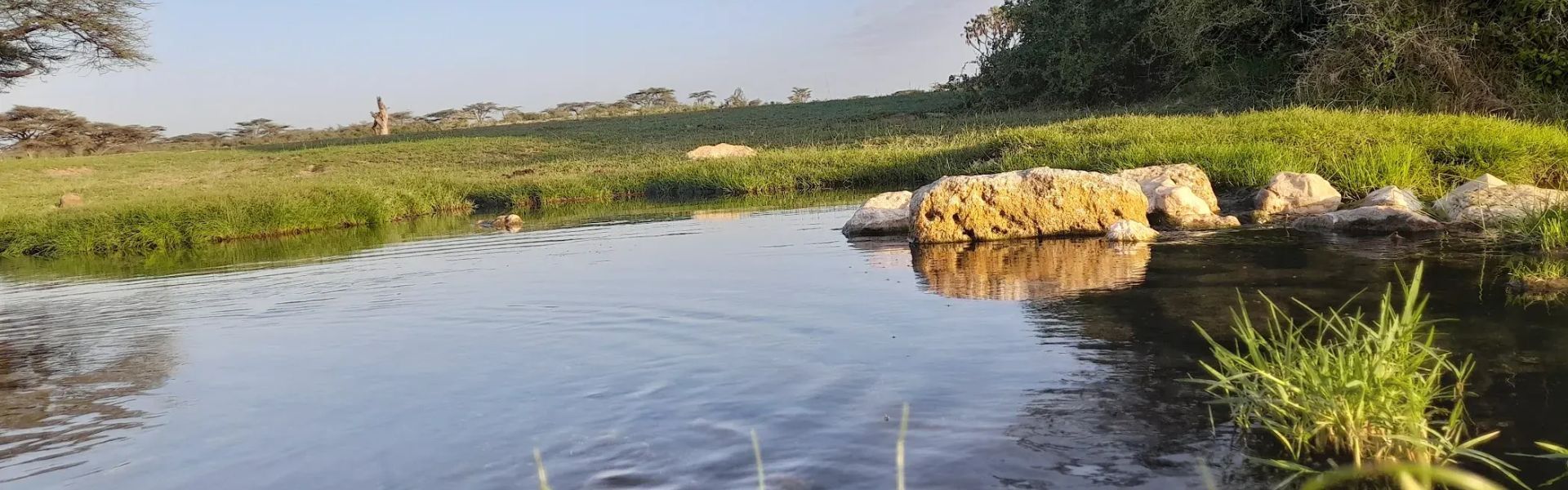
The reserve is named after a natural oasis of clear water found at its western end, which has historically provided a vital source of life for wildlife and pastoral communities. Covering 131 km² (51 sq mi), Buffalo Springs lies south of Samburu National Reserve, separated by the Ewaso Ng’iro River. Its altitude ranges between 850 m and 1,230 m above sea level, and the terrain is characterized by gently rolling plains formed from ancient lava flows and volcanic soils. One of its most striking features is the Champagne Ride, an old lava terrace located in the southeast. The climate is hot, dry, and semi-arid, shaping the vegetation and wildlife patterns of the reserve.
Flora
Buffalo Springs hosts a diverse range of vegetation. Along the Ewaso Ng’iro River, a narrow band of riverine forest thrives, featuring species such as Tana River poplar, doum palm, and tall acacia elatior trees. Away from the river, acacia tortilis woodlands dominate, interspersed with bushland rich in Commiphora shrubs. In some areas, lava rock is exposed, supporting scattered grasses and hardy shrubs, while alkaline grasslands with springs and swamps provide seasonal grazing grounds.
The reserve is also home to unique plants such as the “Desert Rose” (Adenium obesum), which produces striking pink flowers in the scrubland. Another notable species is Salvadora persica, commonly known as the “toothbrush tree.” Its twigs are traditionally used by the Samburu people for oral hygiene, while elephants feed on its leaves and branches.
Wildlife
Buffalo Springs is renowned for its rich wildlife diversity. It is home to both Grant’s zebra and the endangered Grévy’s zebra, offering visitors a rare chance to see these species side by side. Other iconic mammals include reticulated giraffes, African bush elephants, oryx, gerenuk, African buffalo, lions, leopards, cheetahs, and hyenas.
The Ewaso Ng’iro River supports aquatic species such as hippopotamuses and Nile crocodiles, while Somali ostriches roam the plains. These ostriches are larger than the Masai ostrich and are easily recognized by their distinctive indigo-colored legs and necks. Birdlife is equally impressive, with over 365 species recorded, making the reserve a paradise for birdwatchers.
Activities in Buffalo Springs National Reserve
Game Drives: Explore the reserve’s plains and riverine habitats to spot zebras, giraffes, elephants, and predators.
Birdwatching: Observe over 365 bird species, including riverine and savannah specialists.
River Excursions: View hippos and crocodiles along the Ewaso Ng’iro River.
Nature Walks: Guided walks to learn about plants like the Desert Rose and toothbrush tree.
Photography: Capture dramatic landscapes such as the Champagne Ride and wildlife interactions.
Cultural Visits: Engage with the Samburu community to learn about traditional practices and pastoral life.
Best Time to Visit
The dry season, from June to October and January to February, is the best time to visit Buffalo Springs. Wildlife is easier to spot as animals gather near the river and waterholes, and roads are more accessible. The wet season, from March to May and November to December, brings lush vegetation and excellent birdwatching opportunities, though heavy rains can make travel more challenging.
Visitor Tips
Visitors should plan for hot and dry conditions, carrying plenty of water, sunscreen, hats, and insect repellent. A 4×4 vehicle is recommended for navigating rough terrain. Staying at safari lodges or camps within the reserve provides easy access to game drives and guided tours. Respect conservation rules, avoid disturbing wildlife, and support local communities by purchasing crafts or participating in cultural programs. Early mornings and late afternoons are the best times for photography, offering soft light and active wildlife.