

Ultimate Guide to Kakamega Forest Safari
Find Kakamega Forest Safari Tours from Verified Kenya Operators
The Ultimate Guide to Kakamega Forest Safari
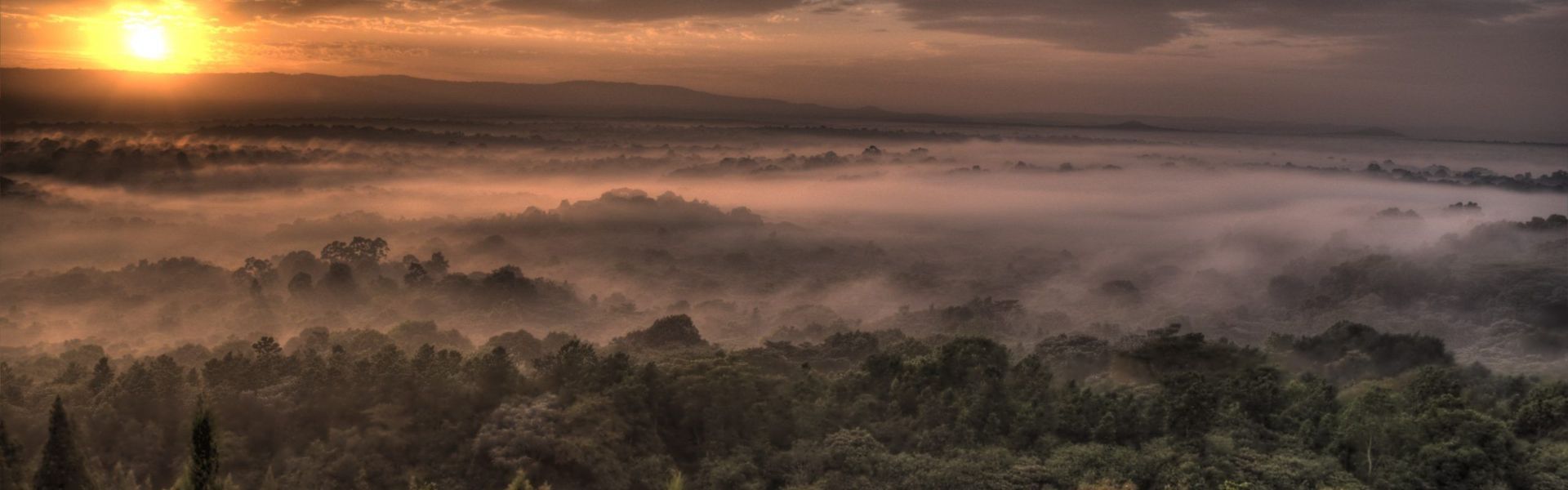
Kakamega Forest SafariKakamega Forest is Kenya’s only tropical rainforest, located in Kakamega, Vihiga, and Nandi counties in the western part of the country, close to the Ugandan border. It is considered the last remnant of the ancient Guineo-Congolian rainforest that once stretched across much of Africa. Covering about 238 km², the forest is a unique ecological treasure, rich in biodiversity and cultural heritage.
Geography
The forest lies on undulating terrain at elevations between 1,500 and 1,600 metres. It forms part of the watershed of the Isiukhu and Yala rivers, which flow westward into Lake Victoria. Within the forest are grassy glades ranging from small clearings to larger open spaces, some of which may have originated from past human activity or movements of large mammals such as buffalo and elephants, now extinct in the region. Streams and creeks crisscross the forest, creating marshy patches and dividing glades with strips of dense vegetation.
Climate
Kakamega Forest has a tropical rainforest climate (Af under Köppen classification). It receives between 1,200 and 1,700 mm of rainfall annually. The heaviest rains fall in April and May, with a second peak in August and September. January and February are the driest months. Temperatures remain fairly constant throughout the year, ranging between 20°C and 30°C.
Biodiversity
The forest lies within the Victoria Basin forest–savanna mosaic ecoregion and supports flora and fauna typical of the Guineo-Congolian forests further west.
Flora
There are 380 recorded plant species, including 60 ferns, 150 trees and shrubs, and 170 flowering plants. Notable trees include Elgon teak (Olea welwitschii), red stinkwood (Prunus africana), white stinkwood, croton varieties, and Aningeria altissima. The forest is also home to 60 orchid species, nine of which are endemic.
Birds
Kakamega is famous for its birdlife, with 367 species recorded. Highlights include the Great blue turaco, black-and-white-casqued hornbill, and at least nine species found nowhere else.
Mammals
Wildlife includes bush pigs, duikers, bushbuck, African clawless otters, mongooses, giant African water shrews, porcupines, bats, and primates such as blue monkeys, redtail monkeys, De Brazza’s monkeys, baboons, pottos, and vervet monkeys. Leopards were last officially sighted in 1991.
Other Fauna
Amphibians, reptiles, and insects are abundant. The forest hosts spectacular species such as Goliath beetles, colorful butterflies (489 species recorded), flower mantises, and diverse ants, beetles, and spiders.
Conservation
Kakamega Forest Reserve was designated in 1933, with additional nature reserves established in 1967. Kakamega National Reserve was created in 1985, covering 44.7 km². Despite protection, the forest faces heavy pressure from surrounding communities, among the most densely populated rural areas in the world. Locals depend on the forest for firewood, building materials, and traditional medicine, while cattle grazing occurs in glades.
International projects, such as the German-funded BIOTA East (2001–2010), have worked to document biodiversity and promote sustainable use. Tourism is concentrated in the southern Isecheno Forest Station, managed by the Kenya Forest Service, which features iconic trees such as the Mama Mtere and strangler figs.
Activities in Kakamega Forest
Forest Walks and Hiking: Explore trails through dense rainforest and glades.
Birdwatching: Spot rare species, with guided walks recommended in early morning or late afternoon.
Primate Watching: Observe monkeys such as De Brazza’s, blue, and redtail monkeys.
Butterfly Watching: Discover hundreds of colorful butterfly species.
Camping: Stay overnight in designated areas for a deeper forest experience.
Village Walks: Engage with local communities and learn about traditional forest use.
Cultural Tours: Visit sites such as the Crying Stone of Ilesi along the Kakamega–Kisumu road.
Best Time to Visit
The best time to visit Kakamega Forest is during the dry months of January–February and June–September, when trails are more accessible and wildlife viewing is easier. The rainy seasons (March–May and October–December) bring lush vegetation and excellent birdwatching, though paths can be muddy and challenging.
Visitor Tips
Visitors should wear sturdy shoes and carry rain gear, as showers are frequent even in dry months. Binoculars and cameras are essential for bird and primate watching. Guided tours by Kakamega Rainforest Tour Guides (KRFTG) enhance the experience, offering insights into biodiversity and cultural sites. Respect conservation rules, avoid disturbing wildlife, and support local initiatives by hiring community guides or purchasing crafts. Early morning and late afternoon walks provide the best opportunities for birdwatching and photography.