
Ultimate Guide to Samburu Safari
Find Samburu Safari Tours from Verified Kenya Operators
The Ultimate Guide to Samburu Safari
Samburu SafariSamburu National Reserve is a celebrated wildlife conservation area located in Samburu County, Kenya. Covering 165 km², it lies about 350 km north of Nairobi and ranges in elevation from 800 to 1,230 metres. The reserve is owned and managed by the Samburu County Government and is set along the banks of the Ewaso Ng’iro River, which flows through groves of doum palms and dense riverine forests, providing a lifeline for wildlife in this semi-arid region.
Samburu is famous not only for its wildlife but also for its history. It was one of the places where conservationists George and Joy Adamson raised Elsa the Lioness, immortalized in the book and film Born Free. The reserve is also home to Elephant Watch Camp, directed by conservationist Saba Douglas-Hamilton, and was the territory of Kamunyak, a lioness renowned for adopting oryx calves.
Habitat and Geography
The reserve’s landscape is a mix of acacia woodlands, thorn trees, grasslands, and riverine forests. The Ewaso Ng’iro River, meaning “brown water,” originates in the Kenyan highlands and eventually drains into the Lorian Swamp. Samburu’s natural serenity is enhanced by its remoteness, far from industrial development, which preserved its wilderness character for many years.
Two mountains, Koitogor and Ololokwe, rise within the reserve, adding to its scenic beauty. The terrain supports both dry-country species and river-dependent wildlife, making Samburu a unique ecological zone.
Wildlife
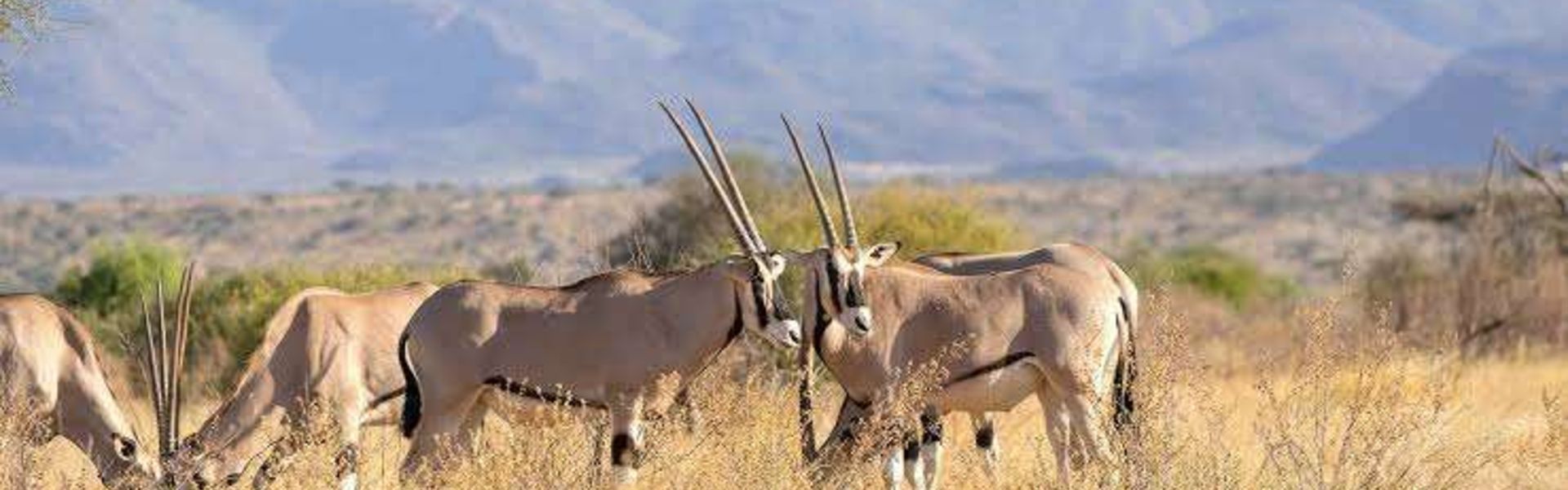
Samburu is home to a wide variety of animals, including species unique to Kenya’s northern plains. These “Samburu Special Five” include the gerenuk, Grevy’s zebra, reticulated giraffe, Somali ostrich, and Beisa oryx. All three big cats lion, leopard, and cheetah are present, alongside elephants, Cape buffalo, and hippopotamuses.
Other mammals include olive baboons, warthogs, Grant’s gazelles, Kirk’s dik-diks, impalas, and waterbucks. After decades of absence due to poaching, black rhinoceroses have been reintroduced, marking a significant conservation success.
Birdlife is equally impressive, with over 350 species recorded. Highlights include grey-headed kingfishers, sunbirds, bee-eaters, marabou storks, tawny eagles, vulturine guineafowl, lilac-breasted rollers, secretary birds, superb starlings, and hornbills. Raptors such as Verreaux’s eagle and bateleur are also common. The Ewaso Ng’iro River is home to large populations of Nile crocodiles.
Since 2005, Samburu has been recognized as part of a Lion Conservation Unit, underscoring its importance for predator conservation.
Activities in Samburu National Reserve
Game Drives: Spot the Samburu Special Five and the Big Cats in diverse habitats.
Birdwatching: Observe over 350 bird species, including raptors and colorful savannah birds.
Cultural Visits: Engage with the Samburu people, known for their beadwork, traditions, and pastoral lifestyle.
Nature Walks: Guided walks along the Ewaso Ng’iro River and through acacia woodlands.
Photography: Capture dramatic landscapes, river scenes, and wildlife interactions.
Elephant Watch Camp: Learn about elephant conservation and enjoy eco-tourism experiences.
Best Time to Visit
The dry season, from June to October and January to February, is the best time to visit Samburu. Wildlife is easier to spot as animals gather near the river, and roads are more accessible. The wet season, from March to May and November to December, brings lush vegetation and excellent birdwatching opportunities, though heavy rains can make travel more challenging.
Visitor Tips
Visitors should carry sufficient water, sunscreen, hats, and insect repellent, as the reserve is hot and semi-arid. A 4×4 vehicle is recommended for navigating rough terrain. Guided tours enhance the experience, offering insights into wildlife behavior and Samburu culture. Respect conservation rules, avoid disturbing animals, and support local communities by purchasing crafts or staying in community-run lodges. Early mornings and evenings are the best times for photography and wildlife viewing.