
Ultimate Guide to Dodori Safari
Find Dodori Safari Tours from Verified Kenya Operators
The Ultimate Guide to Dodori Safari
Dodori SafariDodori National Reserve is a protected conservation area located in Lamu East District of Kenya’s Coast Province. Established in 1976, the reserve covers 877 km² and encompasses important woodland and forest ecosystems that historically supported large populations of elephants, lions, buffaloes, and coastal topi. Managed by the Kenya Wildlife Service, Dodori is part of a wider conservation landscape that has been recognized internationally for its ecological and cultural significance.
Together with the nearby Kiunga Marine National Reserve, Dodori was designated a UNESCO Man and Biosphere Reserve in 1980. This recognition by organizations such as the IUCN, Conservation International, and the World Wildlife Fund highlights its global importance as both a biodiversity hotspot and a cultural heritage site.
Vegetation
Dodori’s habitats include dense coastal forests, woodlands, and patches of savannah. The forest is part of the Northern Zanzibar–Inhambane coastal mosaic, known for its high plant diversity. These ecosystems provide food and shelter for wildlife, act as carbon sinks, and support coastal communities. Mangroves and riverine vegetation also play a vital role in stabilizing the shoreline and serving as nurseries for marine species.
Wildlife
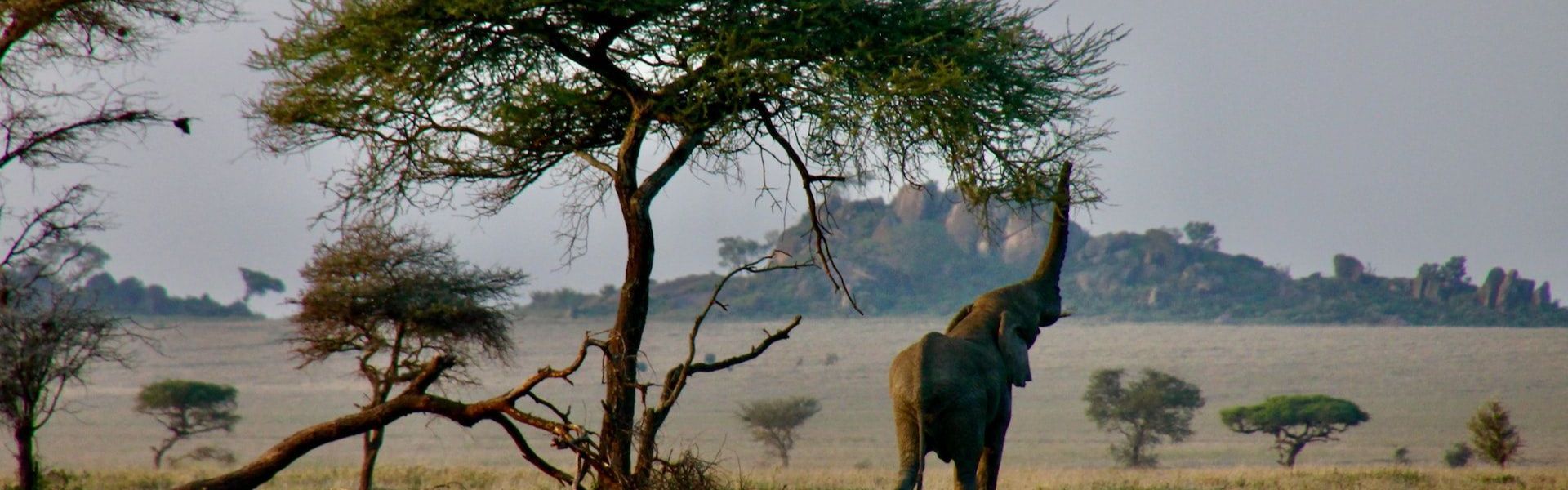
Historically, Dodori supported large populations of elephants, lions, buffaloes, and coastal topi. Although numbers have declined due to poaching and habitat loss, the reserve remains an important refuge for wildlife. It is also home to smaller mammals, reptiles, and a variety of bird species. The proximity to Kiunga Marine Reserve enhances its ecological value, as species move between terrestrial and marine habitats.
Conservation
Dodori faces challenges from poaching, deforestation, and human encroachment. Conservation efforts focus on protecting its forests, wildlife corridors, and coastal ecosystems. International organizations have supported initiatives to integrate community participation into conservation, ensuring that local livelihoods are balanced with environmental protection. The UNESCO biosphere designation emphasizes the need for sustainable management that combines ecological integrity with cultural heritage preservation.
Activities in Dodori National Reserve
Game Viewing: Spot elephants, buffaloes, and coastal antelopes in woodland and savannah habitats.
Birdwatching: Observe coastal and forest bird species, including migratory populations.
Nature Walks: Guided treks through forests to learn about plant diversity and conservation.
Cultural Visits: Engage with local communities to understand traditional practices and heritage.
Marine Excursions: Combine visits with Kiunga Marine Reserve for snorkeling, diving, and mangrove exploration.
Best Time to Visit
The dry season, from June to October and January to February, is the best time to visit Dodori. Wildlife is easier to spot, and forest paths are more accessible. The wet season, from March to May and November to December, brings lush vegetation and excellent birdwatching opportunities, though heavy rains can make travel more difficult.
Visitor Tips
Dodori is remote and less developed compared to other Kenyan reserves, so visitors should plan carefully. A 4×4 vehicle is essential for navigating rough terrain. Carry sufficient water, insect repellent, and sun protection. Guided tours are recommended for safety and to maximize wildlife sightings. Visitors should respect conservation rules, avoid disturbing sensitive habitats, and support local initiatives that promote sustainable livelihoods. Combining a trip to Dodori with Kiunga Marine Reserve offers a unique experience of both terrestrial and marine ecosystems.