
Ultimate Guide to Ol Donyo Sabuk Safari
Find Ol Donyo Sabuk Safari Tours from Verified Kenya Operators
The Ultimate Guide to Ol Donyo Sabuk Safari
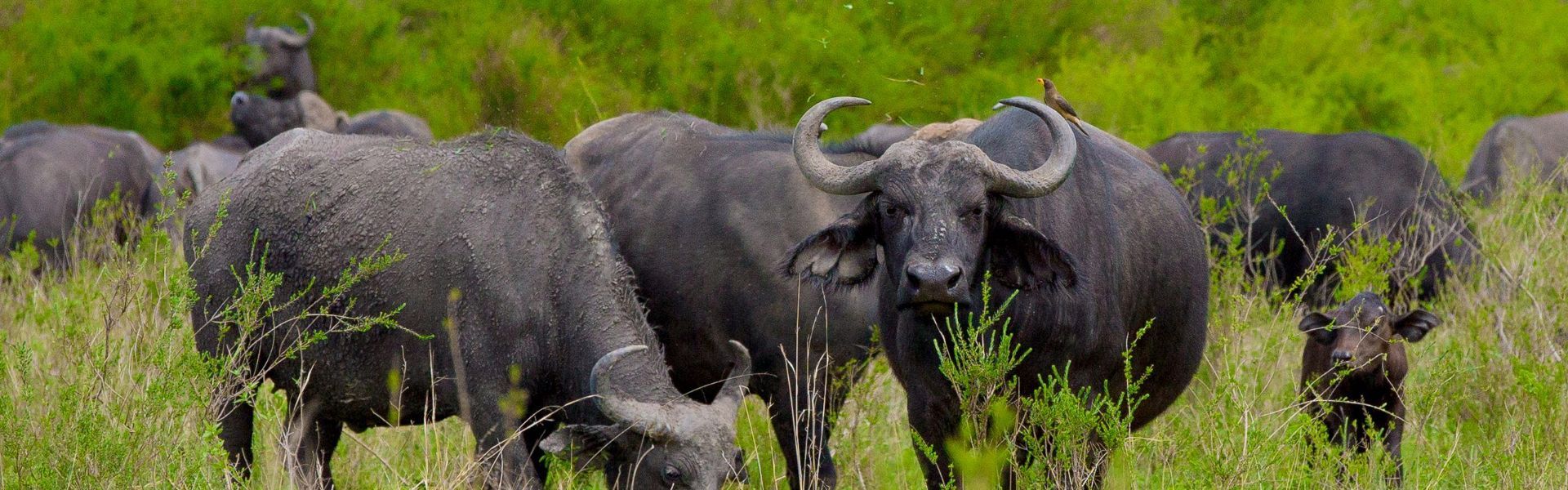
Ol Donyo Sabuk SafariOl Donyo Sabuk, also known as Kyanzavi in Kamba and Kilimambogo in Swahili, is a solitary mountain rising to 2,145 m (7,037 ft) in Machakos County, about 65 km north of Nairobi. The name means “big mountain” in Maasai, while “Kilimambogo” translates to “buffalo mountain,” reflecting the large buffalo population on its forested slopes.
The surrounding area is rich in history and culture, with ties to colonial settlers, local communities, and prominent Kenyan figures. The mountain and its peak are protected within Ol Donyo Sabuk National Park, established in 1967, covering 20.7 km² (8 mi²).
History & Cultural Significance
The mountain and region were closely associated with Sir William Northrup McMillan, an American philanthropist who settled here in the early 1900s. His grand McMillan Castle-later nicknamed Kilavu (Club House)-served as a military hospital during World War I and became notorious for colonial parties. McMillan, his wife Lady Lucie, and their dog are buried near the summit.
The area also has links to Kenyan history: Tom Mboya, one of Kenya’s most influential politicians, was born here in 1930 when his father worked on a sisal farm.
Local entrepreneurs such as Wanjiku Kahore played a pivotal role in shaping Ol Donyo Sabuk into a trading hub in the 1960s, fostering commerce and grassroots development.
Geography & Environment
The mountain rises steeply from otherwise flat terrain, offering panoramic views of Mount Kenya and Mount Kilimanjaro on clear days. The park’s habitats include montane forest, grasslands, and riverine areas. The Fourteen Falls on the Athi River, located nearby, are a spectacular landmark with cultural and spiritual significance, particularly for Asian communities who use the site for rites and ash disposal.
Wildlife
Ol Donyo Sabuk National Park is home to around 250 buffaloes, along with colobus monkeys, baboons, bushbuck, impala, duiker, and abundant birdlife. The slopes and forests provide excellent opportunities for wildlife viewing and birdwatching.
Attractions
Ol Donyo Sabuk Mountain: Hiking to the summit for panoramic views.
Graves of Sir William McMillan and Lady Lucie: Historical sites near the peak.
McMillan Castle: A colonial mansion with a colorful past.
Fourteen Falls: Scenic waterfalls with cultural and religious importance.
Kilimambogo Region: A cultural melting pot with music, traditions, and local history.
Best Time to Visit
The park is accessible year‑round, but the dry seasons (January-March and June-October) are best for hiking and clear views. Rainy seasons bring lush vegetation but make the steep ascent more challenging.
Activities
Hiking & Trekking: Climb the mountain’s steep trails to the summit.
Wildlife Viewing: Spot buffaloes, monkeys, and antelopes.
Birdwatching: Observe diverse bird species in forest and grassland habitats.
Scenic Viewing: Enjoy vistas of Mount Kenya, Mount Kilimanjaro, and the Athi plains.
Cultural & Historical Visits: Explore McMillan Castle, gravesites, and Tom Mboya’s birthplace.
Picnicking: Relax at Fourteen Falls with family or friends.
Photography: Capture waterfalls, wildlife, and sweeping landscapes.
Visitor Tips
A 4×4 vehicle is recommended for the steep ascent. Guided tours enrich the experience with historical and cultural context. Carry water, sturdy shoes, and sun protection. The park is ideal for day trips from Nairobi, combining hiking, history, and scenic beauty.