

Ultimate Guide to Boni Safari
Find Boni Safari Tours from Verified Kenya Operators
The Ultimate Guide to Boni Safari
Boni SafariBoni National Reserve is a protected conservation area located in Garissa County, Kenya. Covering 1,339 km² (517 sq mi), the reserve was gazetted in 1976 as a dry-season sanctuary for elephants migrating between Kenya’s former Ijara and Lamu districts and parts of Somalia. Managed by the Kenya Wildlife Service, Boni is named after the Boni Forest, an indigenous open-canopy forest that forms part of the Northern Zanzibar–Inhambane coastal forest mosaic. Despite its ecological importance, elephant populations have been severely reduced due to poaching.
The reserve has also faced security challenges. In December 2010, the U.S. Department of State advised travelers to avoid Boni due to terrorism and violent crime. In recent years, the Kenyan government has reported that the reserve has been used as a hideout by Al-Shabaab militants, leading to military operations by the Kenya Defence Forces and police, with support from U.S. troops in 2017.
Vegetation
The Boni Forest is a biodiversity hotspot, harboring some of the highest densities of plant species in the world. Its open canopy structure supports a wide range of habitats, including grasslands, wetlands, and riverine areas. The forest plays a critical role in maintaining ecological balance along Kenya’s northern coast, providing food and shelter for wildlife and acting as a carbon sink.
Wildlife
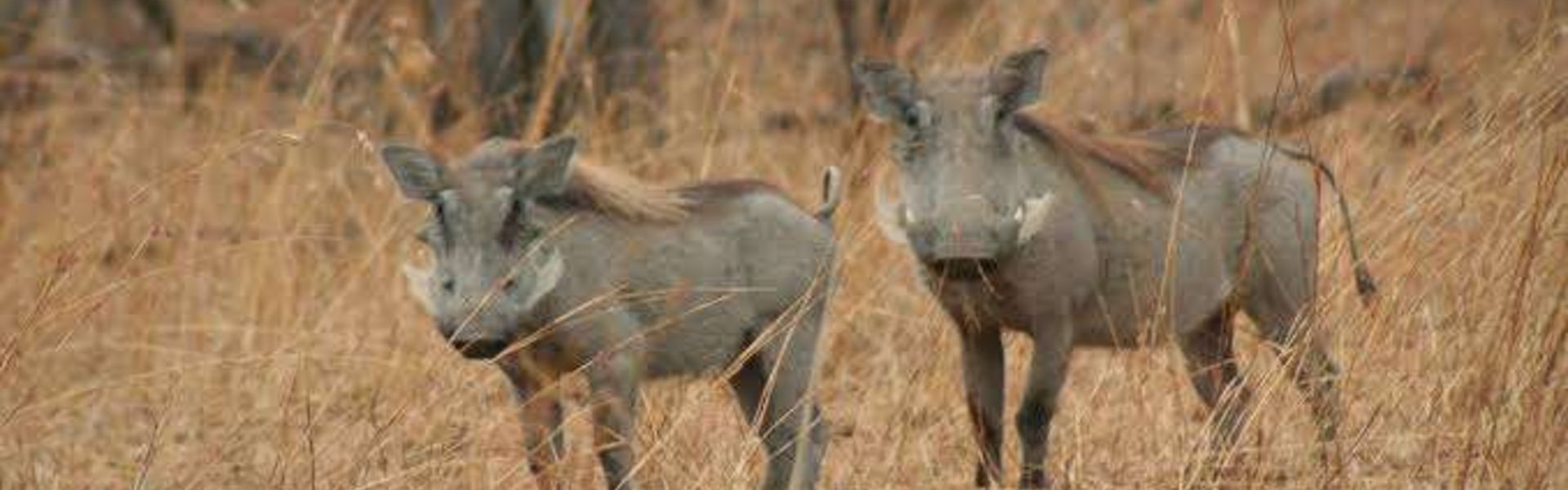
The reserve supports a variety of herbivores such as hippopotamus, bushpig, warthog, buffalo, common duiker, topi, and waterbuck. Carnivores include the vulnerable African wild dog and the aardwolf. Although rare, African elephants are still present in the reserve, using it as a seasonal refuge. The area’s remoteness and dense vegetation make wildlife sightings more challenging but rewarding for patient visitors.
Birds
As part of the East African coastal forest system, Boni is home to bird species typical of this unique ecosystem. It is believed to host globally threatened species such as the Sokoke pipit, alongside numerous other forest and wetland birds. The reserve’s diverse habitats from forest canopy to riverine wetlands—make it a promising birdwatching destination.
Security and Human Impact
The reserve’s ecological potential has been overshadowed by security concerns. Al-Shabaab militants have used Boni as a base, prompting military incursions and joint operations with international forces. These challenges have limited tourism and conservation activities. Human pressures such as poaching, deforestation, and encroachment also threaten the reserve’s fragile ecosystems.
Activities in Boni National Reserve
Game Viewing: Spot herbivores like buffalo, waterbuck, and duiker, along with rare carnivores such as wild dogs.
Birdwatching: Explore forest and wetland habitats for species like the Sokoke pipit.
Nature Walks: Guided treks through the Boni Forest to learn about its biodiversity.
Cultural Visits: Engage with local communities in Garissa and Lamu counties to understand traditional practices.
Research and Conservation Tours: Participate in ecological studies or conservation programs focusing on elephants and forest biodiversity.
Best Time to Visit
The dry season, from June to October and January to February, is the most suitable time to visit Boni. Wildlife is easier to spot as animals congregate near water sources, and forest paths are more accessible. The wet season, from March to May and November to December, brings lush vegetation and excellent birdwatching opportunities, though heavy rains can make travel difficult.
Visitor Tips
Travelers should be aware of ongoing security concerns and check advisories before visiting. A 4×4 vehicle is essential due to rough terrain and limited infrastructure. Carry sufficient water, insect repellent, and sun protection. Guided tours are strongly recommended for safety and to maximize wildlife sightings. Visitors should respect conservation rules, avoid disturbing nesting birds or rare species, and support local initiatives aimed at balancing community livelihoods with environmental protection.