
Ultimate Guide to Mwea Safari
Find Mwea Safari Tours from Verified Kenya Operators
The Ultimate Guide to Mwea Safari
Mwea SafariMwea National Reserve is a protected area located south of Embu in Kenya. Sitting at altitudes between 1,000 and 1,100 metres, the reserve is dominated by Acacia-Commiphora bushland along the northern shore of the Kamburu Reservoir, where the Tana and Thiba Rivers meet. The landscape is a classic savannah ecosystem, with scattered acacia and baobab trees, open grasslands along riverbanks, and patches of riparian woodland. This mix of habitats makes Mwea a rich conservation site, supporting diverse wildlife and bird species.
Vegetation
The reserve’s vegetation is varied, ranging from open savannah grasslands to dense riverine forests. Acacia species and baobabs are common, while thickets and undergrowth occur along riverbanks. Riparian woodlands provide shade and shelter for wildlife, while open plains allow for grazing by herbivores. This mosaic of habitats supports both terrestrial and aquatic ecosystems, making Mwea a unique ecological zone.
Wildlife
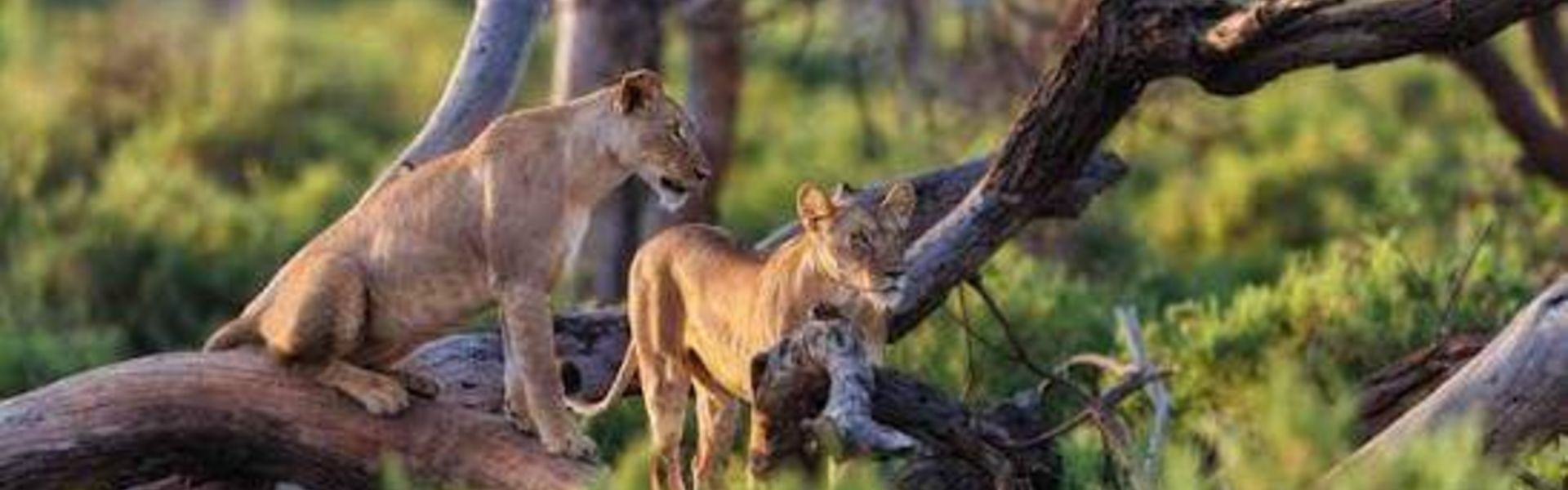
Mwea hosts a wide range of game species. Large mammals include elephants, giraffes, zebras, buffaloes, leopards, and crocodiles. Antelopes such as lesser kudu, impala, hartebeest, waterbuck, bushbuck, and duiker are common. Smaller mammals include warthogs, bush pigs, rock hyraxes, jackals, and striped ground squirrels. Primates such as Sykes’ monkeys and yellow baboons are also found here. Predators like leopards and jackals add to the reserve’s ecological balance.
Birdlife
Mwea is internationally recognized as an Important Bird Area (IBA). Over 200 bird species have been recorded, making it a paradise for birdwatchers. It is the only protected area where the globally threatened and Kenya-endemic Hinde’s babbler occurs. Other rare species include Pel’s fishing owl and the white-backed night heron. The Malagasy pond heron is also frequently sighted.
Raptors are well represented, with African fish eagles, augur buzzards, kestrels, lanner falcons, and white-headed vultures among the highlights. The diverse habitats from wetlands to savannah attract both resident and migratory birds, making Mwea one of Kenya’s premier birding destinations.
Camps and Facilities
The reserve has seven designated campsites: Mbogo, Silvester, Mavuria, Kyangosi, Hippo Point, Kanyonga, and Githechu. These sites provide opportunities for camping close to nature, with picnic areas near rivers and open bushland. Hippo Point is particularly popular for viewing hippos in the water.
Activities in Mwea National Reserve
Game Viewing: Spot elephants, giraffes, zebras, and antelopes across savannah and riverine habitats.
Birdwatching: Observe rare species like Hinde’s babbler and Pel’s fishing owl, along with over 200 other birds.
Boat Rides: Explore Kamburu Dam and enjoy aquatic wildlife sightings.
Hippo Viewing: Visit Hippo Point for close encounters with hippos.
Nature Walks: Guided walks through bushland and riverine forests.
Camping and Picnics: Stay at one of the seven campsites or relax at picnic spots.
Best Time to Visit
The dry season, from June to October and January to February, is the best time to visit Mwea. Wildlife is easier to spot as animals gather near rivers and waterholes, and roads are more accessible. The wet season, from March to May and November to December, brings lush vegetation and excellent birdwatching opportunities, though heavy rains can make travel more challenging.
Visitor Tips
Visitors should carry binoculars, cameras, sunscreen, hats, and insect repellent. A 4×4 vehicle is recommended for navigating rough terrain. Guided tours enhance the experience, offering insights into birdlife and wildlife behavior. Respect conservation rules, avoid disturbing rare species, and support local communities by purchasing crafts or using local services. Early mornings and evenings are the best times for photography and birdwatching.