

Ultimate Guide to Shimba Hills Safari
Find Shimba Hills Safari Tours from Verified Kenya Operators
The Ultimate Guide to Shimba Hills Safari
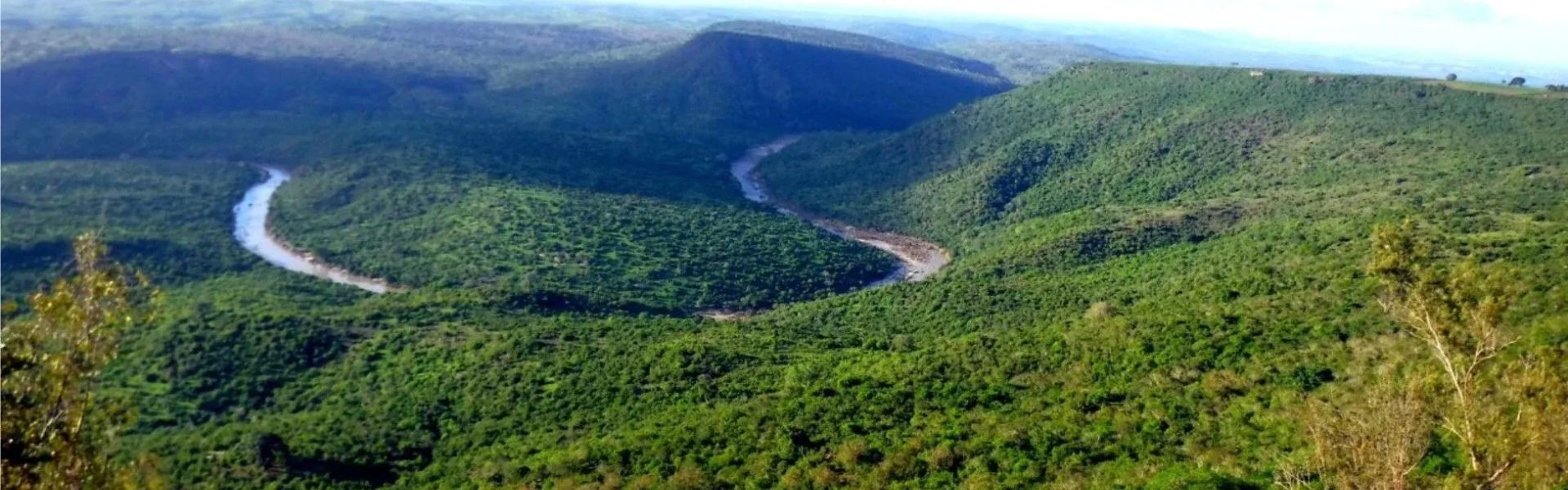
Shimba Hills SafariShimba Hills National Reserve is a small but ecologically significant protected area located in Kenya’s former Coast Province, about 33 km from Mombasa and 15 km from the Indian Ocean coastline. The reserve is a mosaic of coastal rainforest, woodland, and grassland, making it one of the most important biodiversity hotspots in the country. Over half of Kenya’s 159 rare plant species are found here, including endangered cycads and orchids. It is also nationally recognized as a vital site for birds and butterflies.
Vegetation and Biodiversity
The reserve’s habitats range from dense coastal forests to open grasslands and wooded areas. This diversity supports rare and endangered plant species, many of which are unique to Shimba Hills. The forest canopy shelters orchids and cycads, while the grasslands provide grazing for herbivores. The combination of ecosystems makes Shimba Hills a critical refuge for both flora and fauna.
Wildlife
Shimba Hills is home to approximately 700 elephants, one of the largest populations in a relatively small reserve. This high density has created ecological challenges, as elephants cause significant damage to vegetation, threatening rare plant species. To address human–elephant conflict, the Mwaluganje Elephant Sanctuary was established north of the reserve, providing a corridor for elephants to migrate out of the park. Plans have also been made to relocate elephants to Tsavo East National Park to reduce pressure on the ecosystem.
The reserve is also notable for hosting Kenya’s only population of sable antelope, with about 100 individuals. Other wildlife includes buffalo, bushbuck, warthogs, primates, and numerous bird and butterfly species.
Activities in Shimba Hills National Reserve
Game Viewing: Spot elephants, sable antelope, and other wildlife in forest and grassland habitats.
Birdwatching: Observe diverse bird species, including forest specialists and raptors.
Butterfly Watching: Discover colorful butterflies in forest clearings and glades.
Nature Walks: Guided treks through rainforest and woodland to learn about rare plants.
Cultural Visits: Engage with local communities to understand coastal traditions.
Scenic Viewing: Enjoy panoramic views of the Indian Ocean from hilltops.
Best Time to Visit
The dry season, from June to October and January to February, is the best time to visit Shimba Hills. Wildlife is easier to spot, and trails are more accessible. The wet season, from March to May and November to December, brings lush vegetation and excellent birdwatching opportunities, though heavy rains can make walking and driving more challenging.
Visitor Tips
Visitors should carry binoculars, cameras, sunscreen, hats, and insect repellent. A 4×4 vehicle is recommended for navigating rough terrain. Guided tours enhance the experience, offering insights into rare plants, elephants, and sable antelope. Respect conservation rules, especially regarding endangered species, and support local initiatives by purchasing crafts or using community-run services. Early mornings and evenings are the best times for photography and wildlife viewing.