
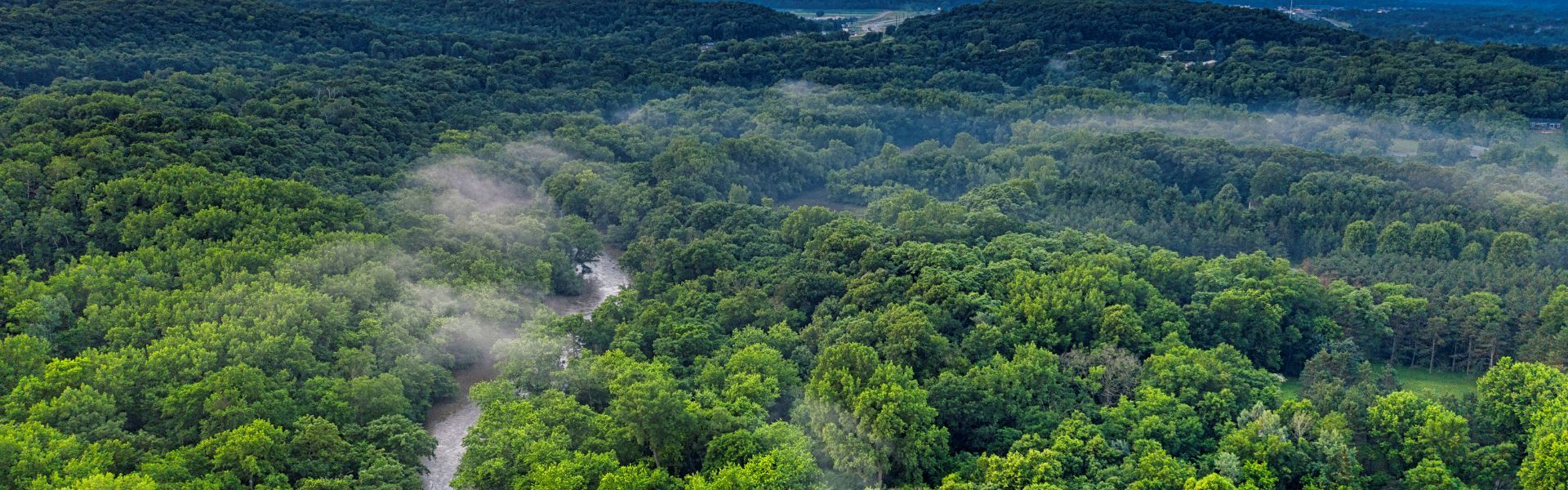

Ultimate Guide to Witu Forest Safari
Find Witu Forest Safari Tours from Verified Kenya Operators
The Ultimate Guide to Witu Forest Safari
Witu Forest SafariWitu Forest is a protected area located in Lamu District, Kenya. It was first established in 1927 through the combination of the Utwani and Gongoni Forest Reserves, though the original names continued to be used locally. After independence, the Kenyan government confirmed its protected status in 1962, and in 2002 an additional 701 hectares were gazetted. Today, the forest covers 4,639 hectares of gazetted land, with about 900 hectares of enclosed but ungazetted forest. The nearby Mungajini Forest on Nairobi Ranch adds another 1,100 hectares, forming a larger conservation landscape.
Despite its ecological importance, Witu Forest lacked a formal management plan as of 2007. Under the Forests Act of 2005, responsibility for its protection was transferred to the Kenya Forest Service (KFS), replacing the former Forest Department.
Geography
The forest is bounded by the Pangani Swamp to the northeast and east, and by Nairobi Ranch—including the Mungajini Forest—to the east and southeast. To the south and southwest lie settlement areas established in 1995 to support agricultural development for local communities. This proximity to human activity has created ongoing challenges for conservation.
Issues and Conservation Challenges
Illegal logging has been one of the most serious threats to Witu Forest. Reports from 2004 described extensive logging, far more damaging than local bushmeat hunting. By 2011, logging continued, with journalists and activists noting that destruction was occurring openly, despite awareness by officials and organizations such as Wangari Maathai’s Green Belt Movement.
The forest is home to critically endangered species, including Euphorbia tanaensis, of which only about 20 mature plants remain according to the IUCN Red List. Although Witu is legally protected, enforcement has been insufficient to safeguard this and other rare tree species.
Biodiversity
Witu Forest is part of Kenya’s coastal forest mosaic, supporting diverse flora and fauna. It shelters rare and endemic plants, including cycads and hardwood species, alongside a variety of birds, butterflies, and small mammals. The forest’s wetlands and swampy areas provide habitat for amphibians and reptiles, while its dense canopy supports forest specialists not commonly found in surrounding savannahs.
Activities in Witu Forest
Forest Walks: Explore dense woodland and swampy areas with guides.
Birdwatching: Spot forest and wetland species, including rare and endemic birds.
Botanical Tours: Learn about endangered plants such as Euphorbia tanaensis.
Community Visits: Engage with local communities in settlement areas to understand conservation challenges.
Photography: Capture forest landscapes, swamp habitats, and rare species.
Best Time to Visit
The dry season, from June to October and January to February, is the best time to visit Witu Forest. Trails are more accessible, and wildlife is easier to observe. The wet season, from March to May and November to December, brings lush vegetation and excellent birdwatching opportunities, though heavy rains can make access difficult.
Visitor Tips
Visitors should prepare for rugged conditions, carrying sufficient water, insect repellent, and sturdy footwear. Guided tours are recommended to maximize wildlife sightings and ensure safety. Respect conservation rules, avoid disturbing rare plants, and support local initiatives that balance community livelihoods with forest protection. Early mornings and evenings are the best times for birdwatching and photography.