

Ultimate Guide to Ruma Safari
Find Ruma Safari Tours from Verified Kenya Operators
The Ultimate Guide to Ruma Safari
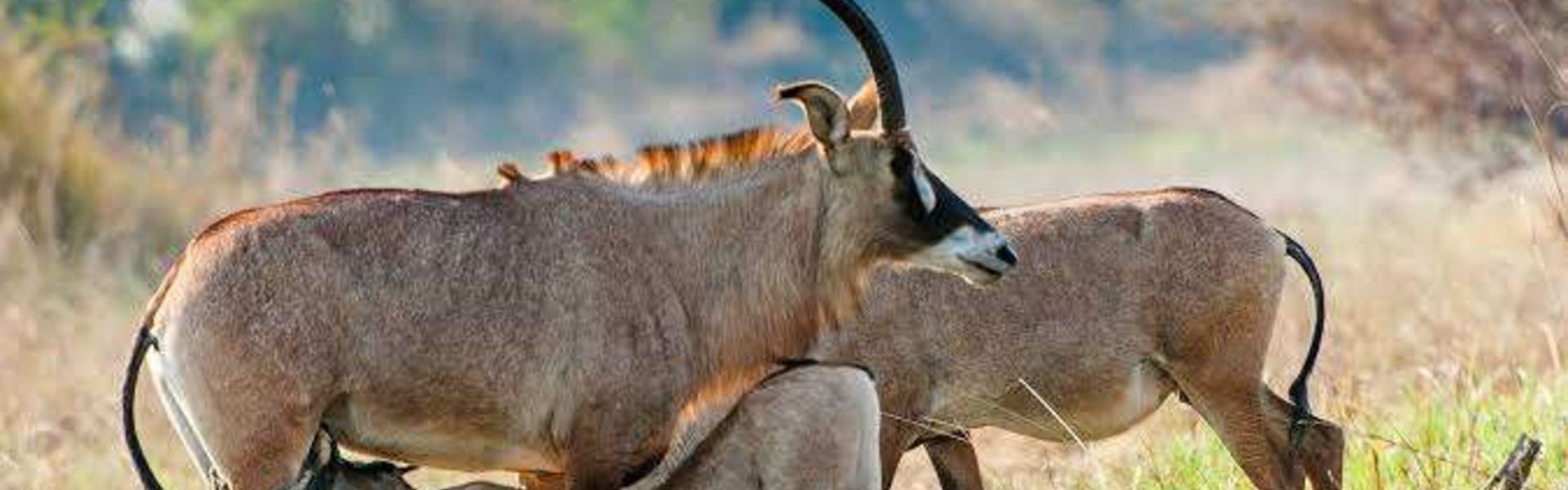
Ruma SafariRuma National Park is the only terrestrial park in Kenya’s Nyanza Province, located in the Lambwe Valley near Lake Victoria. Covering a unique ecosystem, it is famously dubbed the “Last Retreat of the Roan Antelope”, as it protects Kenya’s only indigenous population of this rare species. Sadly, the roan antelope population is critically low, with only about 40 individuals remaining, making the park a vital conservation area.
The park was first established in 1967 as the Lambwe Valley Game Reserve and later renamed “Ruma” after Gor Mahia, a legendary wizard whose name is also associated with the famous Gor Mahia Football Club.
Wildlife
Ruma hosts a wide variety of wildlife, including:
Roan antelope (Hippotragus equinus) – the park’s flagship species.
Eastern black rhinoceros, Rothschild’s giraffe, Cape buffalo, Lelwel hartebeest, oribi, Bohor reedbuck, topi, bushpig, and olive baboon.
Predators such as African leopard, hyena, serval, and smaller carnivores like honey badger and genet.
Over 400 bird species, making it an Important Bird Area (IBA). Notable species include the rare blue swallow (Hirundo atrocaerulea), an intra‑African migrant, along with raptors and water birds.
Best Time to Visit
The park can be visited year‑round, but the dry seasons (January-March and June-October) are best for game viewing, as animals congregate around water sources. The rainy seasons bring lush vegetation and excellent birdwatching opportunities.
Activities
Game Drives: Spot roan antelopes, giraffes, rhinos, and other savannah wildlife.
Birdwatching: Observe over 400 species, including the rare blue swallow.
Photography: Capture dramatic landscapes and rare wildlife.
Nature Walks: Explore Lambwe Valley’s unique habitats with guides.
Cultural Visits: Learn about the park’s naming heritage linked to Gor Mahia.
Visitor Tips
The park is accessible through two gates: Kamato (Main Gate) and Nyatoto Gate. Entry is cashless, so visitors should plan accordingly. Guided tours are recommended to maximize sightings of the rare roan antelope. Carry binoculars for birdwatching and water for dry‑season visits.