

Ultimate Guide to Rimoi Safari
Find Rimoi Safari Tours from Verified Kenya Operators
The Ultimate Guide to Rimoi Safari
Rimoi SafariRimoi National Reserve is a small but significant conservation area located in Elgeyo Marakwet County, Kenya. Covering 66 km², it is managed by the Kenya Wildlife Service and forms part of a larger conservation landscape that is nearly five times its size, including the adjacent Lake Kamnarok area. Although Lake Kamnarok has recently dried up, the reserve remains an important refuge for wildlife, particularly elephants, which have traditionally been the dominant large mammals in the region.
Wildlife
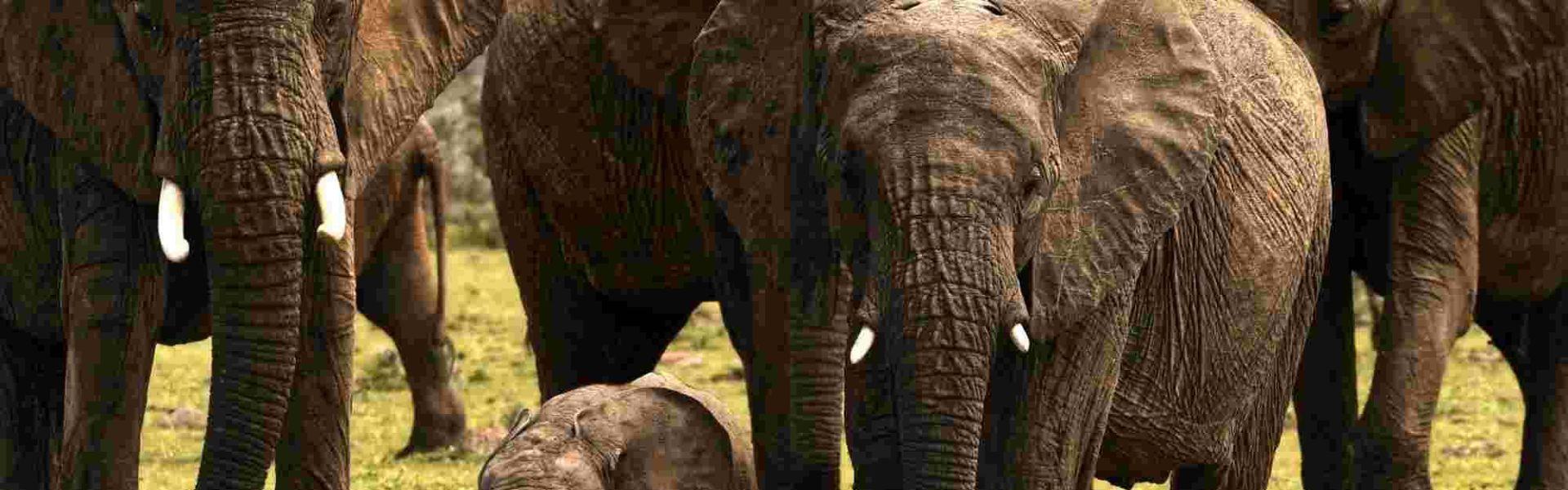
Elephants are the most iconic inhabitants of Rimoi, moving freely across valleys in search of food and water. They often feed at night, making sightings more common during early mornings and evenings. Smaller mammals include dik-dik, impala, bush pigs, warthogs, monkeys, civets, genets, and pangolins. Reptiles such as crocodiles, tortoises, lizards, and snakes also thrive in the reserve’s habitats.
In 2016, Rimoi was restocked with thirty zebras released by the Elgeyo Marakwet and Baringo County governments, part of a broader initiative to diversify wildlife populations. The reserve is currently being fenced, with corridors left open to allow elephants to migrate naturally.
Restoration
For many years, Rimoi suffered neglect and limited conservation activity. In April 2015, the Elgeyo Marakwet County Government partnered with the Kenya Wildlife Service to rehabilitate the reserve. This effort included infrastructure improvements, wildlife restocking, and renewed focus on eco-tourism. These restoration projects have revitalized Rimoi, positioning it as an emerging destination for visitors interested in conservation and wildlife viewing.
Activities in Rimoi National Reserve
Elephant Viewing: Observe herds moving across valleys, especially during dawn and dusk.
Game Drives: Spot zebras, antelopes, monkeys, and smaller carnivores.
Birdwatching: Explore diverse habitats for raptors and savannah birds.
Nature Walks: Guided walks to learn about reptiles, plants, and smaller mammals.
Photography: Capture dramatic landscapes and wildlife interactions.
Community Visits: Engage with local communities to understand conservation efforts and cultural traditions.
Best Time to Visit
The dry season, from June to October and January to February, is the best time to visit Rimoi. Wildlife is easier to spot as animals gather near remaining water sources, and roads are more accessible. The wet season, from March to May and November to December, brings lush vegetation and excellent birdwatching opportunities, though heavy rains can make travel more challenging.
Visitor Tips
Visitors should plan for a rugged safari experience, as Rimoi is less developed compared to larger reserves. A 4×4 vehicle is essential for navigating rough terrain. Carry sufficient water, sunscreen, hats, and insect repellent. Guided tours are recommended to maximize wildlife sightings and ensure safety. Respect conservation rules, especially regarding elephants, and support local initiatives that balance community livelihoods with wildlife protection. Early mornings and evenings are the best times for photography and game viewing.