

Ultimate Guide to Sibiloi Safari
Find Sibiloi Safari Tours from Verified Kenya Operators
The Ultimate Guide to Sibiloi Safari
Sibiloi SafariSibiloi National Park lies on the northeastern shore of Lake Turkana in northern Kenya. Covering 1,570 km² (610 mi²), it was established in 1973 to protect both wildlife and world‑renowned paleontological sites. In 1997, it was inscribed as part of the Lake Turkana National Parks UNESCO World Heritage Site.
The park is often referred to as part of the “Cradle of Mankind”, thanks to its archaeological treasures at Koobi Fora, which have contributed more to the understanding of human evolution than any other site in Africa.
Geography & Environment
Sibiloi is characterized by semi‑desert habitats, open plains, and volcanic formations. The most prominent feature is Mount Sibiloi, where visitors can see the remains of a petrified forest, evidence of ancient geological and climatic changes. The rugged landscape along Lake Turkana’s shoreline adds to the park’s dramatic scenery.
Fossils & Archaeology
The park is internationally famous for its fossil discoveries at Koobi Fora, including remains of Australopithecus and early Homo species, which have reshaped our understanding of human origins. While many of the most significant fossils have been moved to Nairobi for preservation, non‑humanoid fossils are displayed at the Koobi Fora Museum within the park. Guided tours also provide access to the Koobi Fora Research Center.
Wildlife
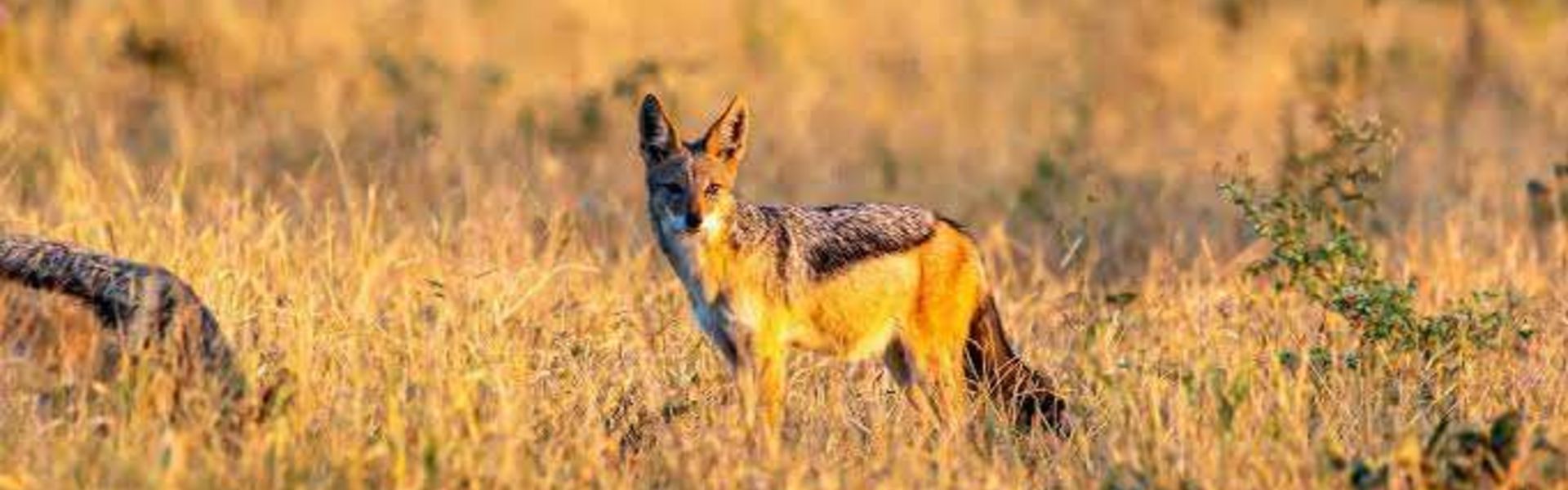
Although best known for its fossils, Sibiloi also protects wildlife adapted to semi‑arid conditions. Species include zebras, gazelles, greater kudu, and crocodiles along Lake Turkana. Birdlife is abundant, with migratory and resident species thriving around the lake.
Best Time to Visit
The best time to visit is during the dry seasons (December-March and July-October), when access roads are more manageable and temperatures are less extreme. The rainy seasons can make travel difficult due to flooding and muddy tracks.
Activities
Archaeological Tours: Explore Koobi Fora fossil sites and the museum.
Scenic Viewing: Visit Mount Sibiloi and the petrified forest.
Wildlife Viewing: Spot antelopes, zebras, and crocodiles along Lake Turkana.
Birdwatching: Observe migratory and resident species around the lake.
Camping: Stay at designated sites near Alia Bay and enjoy the remote wilderness.
Photography: Capture fossils, volcanic landscapes, and Lake Turkana’s rugged beauty.
Visitor Tips
Sibiloi is remote and rugged, so visitors should prepare for basic facilities and long travel times. Guided tours are essential for fossil sites. Carry sufficient water, sun protection, and supplies, as the semi‑desert climate can be harsh. The park is best suited for adventurous travelers interested in archaeology, geology, and wilderness exploration.