
Ultimate Guide to Kora Safari
Find Kora Safari Tours from Verified Kenya Operators
The Ultimate Guide to Kora Safari
Kora SafariKora National Park is located in Tana River County, Kenya, about 125 km east of Mount Kenya. Covering 1,788 km² (690 sq mi), it was first gazetted as a nature reserve in 1973 and later upgraded to a national park in 1989 following the tragic death of conservationist George Adamson, who was murdered by poachers. The park is managed by the Kenya Wildlife Service and remains a symbol of Kenya’s conservation struggles and resilience.
Its northern boundary stretches for 65 km along the Tana River, which features dramatic sites such as Adamson’s Falls, Grand Falls, and the Kora Rapids. The eastern edge is marked by the Mwitamvisi River, while several seasonal rivers cross the park.
Geography
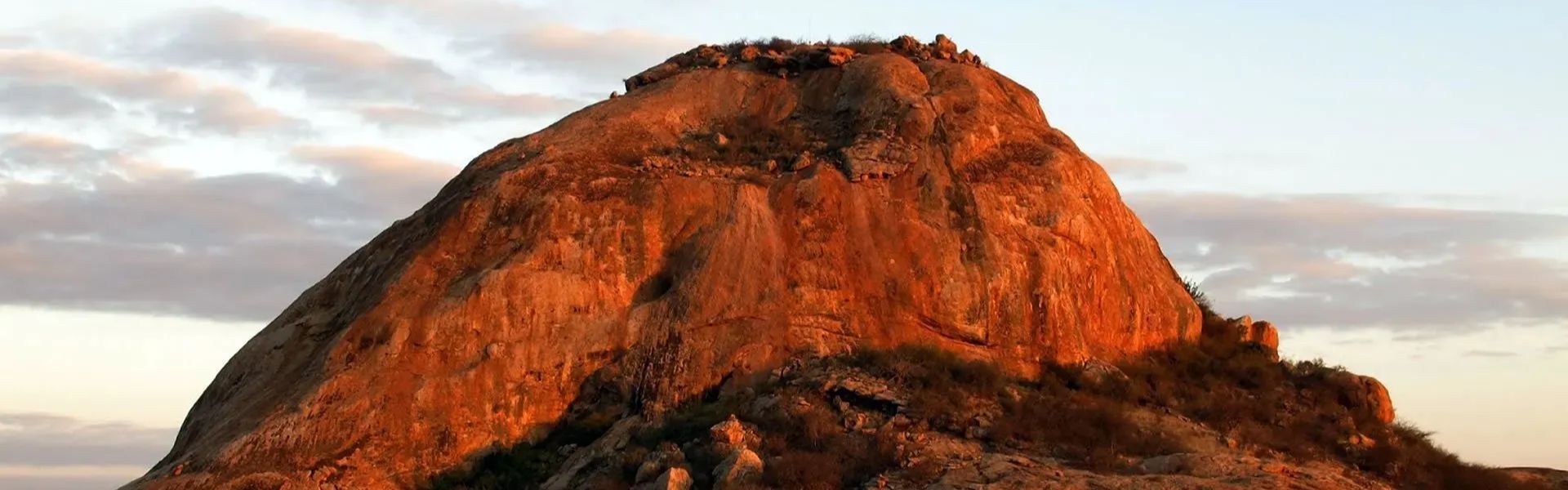
The park’s terrain slopes gently from 490 m (1,610 ft) in the southwest to about 270 m (890 ft) in the northeast. The central area is an undulating peneplain dotted with rocky outcrops known as inselbergs. These formations rise steeply from the plains, with notable peaks including Mansumbi (488 m), Kumbulanwa (450 m), and Kora Rock (442 m). Cracks and crevices in these inselbergs host soil deposits that support herbs, shrubs, and small wind‑blown trees, creating unique micro‑habitats.
Wildlife & Ecology
Kora is home to a wide variety of species. Predators include lions, leopards, cheetahs, caracals, servals, wildcats, and hyenas (both spotted and striped). Large mammals such as African bush elephants, hippos, and buffaloes roam the plains, alongside antelope species like eland, hartebeest, and reedbuck. The park also supports smaller carnivores such as genets.
Vegetation is dominated by acacia bushland, with riverine forests along the Tana River featuring doum palms and Tana River poplars.
History & Conservation
Kora faced severe poaching crises in the 1980s and 1990s, which devastated wildlife populations. George Adamson, famed for his work with lions, was killed here in 1989 and is buried in the park alongside three lions he had released. His legacy continues to shape conservation efforts in the region.
Attempts to revive the park gained momentum in 2012 when British actor Martin Clunes filmed the reintroduction of a lion cub named Mugie. Sadly, the cub later died from injuries inflicted by hyenas, underscoring the challenges of wildlife conservation in Kora.
Best Time to Visit
The best time to visit Kora National Park is during the dry seasons (January–March and June–October), when wildlife is easier to spot and river crossings are manageable. The rainy seasons (April–May and November–December) bring lush vegetation and dramatic scenery, but access can be difficult due to flooding and muddy tracks.
Activities
Game Drives: Explore the park’s vast bushlands and riverine forests to spot elephants, lions, and antelopes.
Birdwatching: Observe diverse birdlife along the Tana River and inselbergs.
Scenic Viewing: Visit Adamson’s Falls, Grand Falls, and Kora Rapids for dramatic landscapes.
Hiking & Exploration: Trek across inselbergs like Mansumbi and Kora Rock for panoramic views.
Cultural & Historical Visits: Pay respects at George Adamson’s grave, a site of conservation history.
Photography: Capture the rugged terrain, wildlife, and river landscapes.
Visitor Tips
Kora is remote and less developed compared to other Kenyan parks, so visitors should prepare for basic facilities and rugged conditions. Guided tours are recommended for safety and navigation. Carry sufficient water, sun protection, and sturdy shoes. The park is best suited for adventurous travelers seeking solitude and raw wilderness rather than luxury safaris.